


Hemlock Tree
Hemlock Tree: The Enigmatic Beauty and Hidden Dangers of This Majestic Conifer
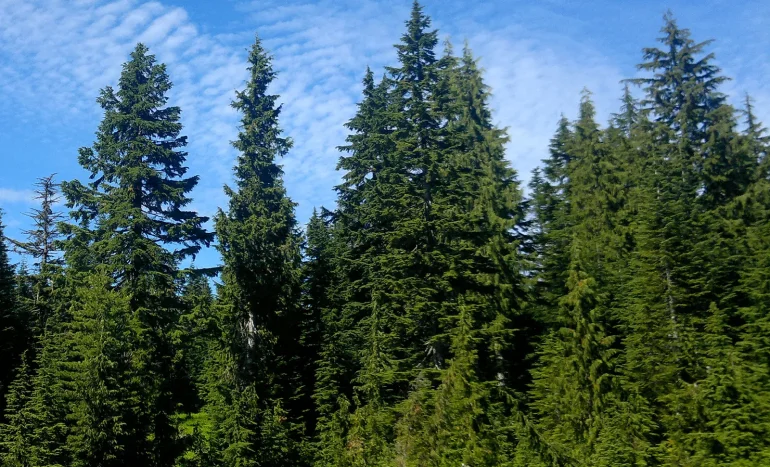
Characteristics of the Hemlock Tree
Ecological Importance
Fun Facts About Hemlock Trees
Historical Context
Hidden Dangers: Hemlock Woolly Adelgid
Environmental Impact
Tree Donate Partners: A Commitment to Conservation
Conclusion
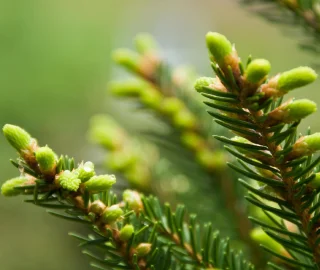
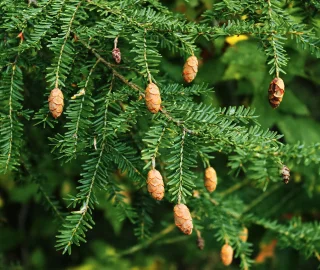
Hemlock Species
Ecological Importance
Hemlock Woolly Adelgid
Conservation Efforts
Tree Planting Initiatives
Historical Significance
Carbon Sequestration
Biodiversity Hotspots
Shade Tolerance
Community Engagement
Monitoring and Maintenance
FAQ
What is a Hemlock tree?
A Hemlock tree, classified under the genus *Tsuga*, is a majestic conifer known for its drooping branches and soft needles. Native to North America and Asia, these evergreen beauties can live for centuries, making them the grand old souls of the forest.
01
What are the main species of Hemlock trees?
The two star players in the Hemlock family are the Eastern Hemlock (*Tsuga canadensis*) and the Western Hemlock (*Tsuga heterophylla*). Each brings its unique charm to the forest stage, with the Eastern Hemlock often flaunting its graceful drooping branches and the Western Hemlock showcasing its robust stature.
02
How long do Hemlock trees live?
Hemlock trees are the true centenarians of the forest, with some living over 800 years! They've seen empires rise and fall, making them the wise sages of the woodland. So, if you ever need a history lesson, just lean against one and listen closely.
03
What ecological role do Hemlock trees play?
Hemlock trees are the unsung heroes of their ecosystems. They provide food and shelter for various wildlife, stabilize soil, and regulate water flow in forests. Think of them as nature's multitaskers, doing everything from hosting bird parties to keeping the soil in check.
04
What are the hidden dangers for Hemlock trees?
The Hemlock Woolly Adelgid is the villain in the Hemlock saga. This pesky invasive pest feeds on Hemlock sap, leading to needle drop and tree demise. It's like a bad houseguest that just won't leave, wreaking havoc on Hemlock populations and their ecosystems.
05
How do Hemlock trees contribute to carbon sequestration?
Hemlocks are nature's carbon sponges! They absorb carbon dioxide from the atmosphere and store it in their biomass, helping to fight climate change. So, every time you see a Hemlock, remember it's doing its part to keep our air fresh and clean.
06
What historical uses did Hemlock trees have?
Hemlock trees have a rich history, serving as a resource for indigenous peoples who crafted canoes, tools, and dyes from their wood and bark. In the 19th century, Hemlock bark became a key player in the leather industry, leading to a logging spree that impacted their populations.
07
What conservation efforts are in place for Hemlock trees?
Organizations like Tree Donate Partners are on a mission to save Hemlocks! They focus on reforestation, community engagement, and strategic partnerships to restore these majestic trees. Think of them as the tree guardians, ensuring Hemlocks continue to grace our forests.
08
How does the Hemlock Woolly Adelgid get managed?
Managing the Hemlock Woolly Adelgid is a balancing act. Biocontrol methods, like introducing natural predators, and chemical treatments are used to combat this invasive pest. It's a bit like playing chess—strategic moves are essential to protect Hemlocks without causing collateral damage to the ecosystem.
09
What can individuals do to support Hemlock conservation?
You can support organizations like Tree Donate Partners by participating in local tree planting events, spreading awareness, and advocating for sustainable practices. Together, we can ensure that these majestic trees remain a part of our natural heritage for generations to come.
10
Why should we care about Hemlock trees?
Hemlock trees are more than just pretty faces; they are vital to their ecosystems, providing habitat, food, and even helping combat climate change. By caring for Hemlocks, we're investing in a healthier planet and preserving the enchanting beauty of our forests. So, let's give these majestic trees the love they deserve!
11
Your Suggestions
Leave your message and we'll get back to you shortly.