


Gulmohar Tree
Gulmohar Tree: Flamboyant Blossoms
Common Name and Scientific Name
Description
Habitat and Distribution
Cultural and Historical Significance
Symbolism and Traditional Practices
Conservation and Sustainable Practices
In Conclusion
Gulmohar Tree Facts
Gulmohar Tree Care
Gulmohar Tree Pruning
Gulmohar Tree Seeds
Gulmohar Tree Medicinal Uses
Gulmohar Tree Symbolism
Gulmohar Tree Habitat
Gulmohar Tree Timber Uses
Gulmohar Tree Flowering Season
Gulmohar Tree Growth Rate
Gulmohar Tree Invasive Potential
Gulmohar Tree Conservation
Gulmohar Tree Leaf Characteristics
Gulmohar Tree Root System
Gulmohar Tree Drought Tolerance
Gulmohar Tree Flower Anatomy
Gulmohar Tree Soil Requirements
Gulmohar Tree Pest and Disease Management
Gulmohar Tree Root Pruning
Gulmohar Tree Landscape Design
FAQ
What is a Gulmohar tree?
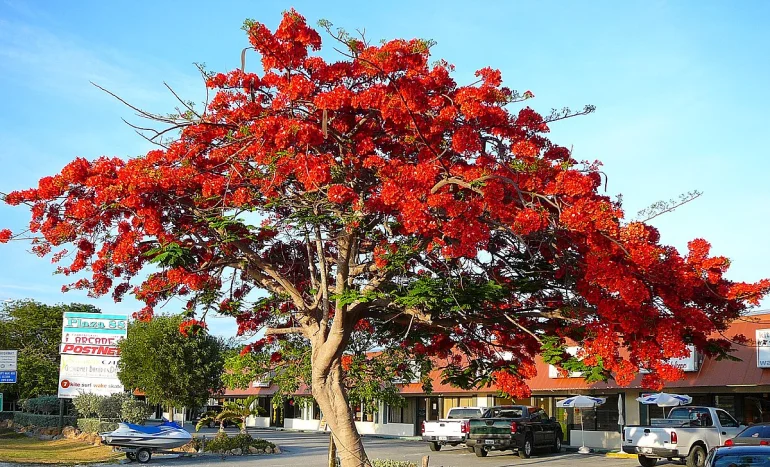
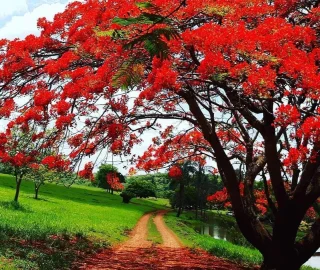
The Gulmohar tree, also known as the Flame Tree or Royal Poinciana, is a tropical tree prized for its stunning red-orange flowers. Its fern-like leaves and vibrant blossoms make it a popular ornamental tree in many tropical and subtropical regions.
01
Where is the Gulmohar tree commonly found?
Gulmohar trees are native to Madagascar but are commonly found in tropical and subtropical regions worldwide. They thrive in warm climates with well-drained soil and plenty of sunlight, often gracing parks, gardens, and urban landscapes.
02
What are the characteristics of Gulmohar trees?
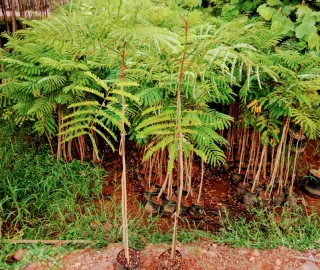
Gulmohar trees are characterized by their fern-like bipinnate leaves and large clusters of vibrant red or orange flowers. These deciduous trees can reach heights of up to 30 meters (100 feet) and have a spreading canopy that provides ample shade.
03
How tall do Gulmohar trees grow?
Gulmohar trees can grow up to 30 meters (100 feet) tall, creating a striking canopy when in full bloom. Their tall stature and spreading branches make them an impressive addition to any landscape, providing shade and beauty.
04
What is the scientific name of the Gulmohar tree?
The scientific name of the Gulmohar tree is Delonix regia, belonging to the family Fabaceae. This botanical name reflects its regal appearance and status as a member of the legume family, known for its nitrogen-fixing abilities.
05
When do Gulmohar trees bloom?
Gulmohar trees typically bloom in late spring to early summer, depending on the climate. During this time, their canopy is adorned with vibrant clusters of red, orange, or yellow flowers, creating a breathtaking display of color.
06
How to care for Gulmohar trees?
To care for Gulmohar trees, ensure they receive full sunlight, well-draining soil, and regular watering, especially during the growing season. Mulching around the base of the tree helps retain moisture and suppress weeds, while occasional pruning promotes healthy growth and shape.
07
What are the benefits of planting Gulmohar trees?
Planting Gulmohar trees provides shade, aesthetic beauty, and habitat for birds and insects. Their deep-rooted system also helps prevent soil erosion and improves soil fertility, making them valuable additions to urban and rural landscapes alike.
08
Are Gulmohar trees suitable for urban environments?
Yes, Gulmohar trees are well-suited for urban environments due to their ability to withstand pollution and thrive in various soil types. Their tolerance to urban stresses, coupled with their ornamental value, makes them popular choices for street planting and landscaping projects.
09
How to propagate Gulmohar trees?
Gulmohar trees can be propagated from seeds or through grafting methods. Collect mature seeds from the tree during the dry season and sow them in well-prepared soil. Alternatively, propagate Gulmohar trees through grafting by using scions from healthy, mature trees.
10
What are the common pests and diseases affecting Gulmohar trees?
Common pests and diseases affecting Gulmohar trees include aphids, caterpillars, and fungal infections like powdery mildew. Regular monitoring, proper sanitation, and timely application of insecticides or fungicides can help manage these issues effectively.
11
Can Gulmohar trees tolerate drought?
Gulmohar trees have moderate drought tolerance once established but benefit from regular watering during dry periods. Mulching and deep watering help retain soil moisture and promote root development, enhancing their resilience to drought conditions.
12
How long does it take for a Gulmohar tree to mature?
It typically takes 3 to 5 years for a Gulmohar tree to reach maturity and start flowering. During this time, provide optimal growing conditions, including adequate sunlight, water, and nutrients, to encourage healthy growth and development.
13
Are Gulmohar trees deciduous?
Yes, Gulmohar trees are deciduous, shedding their leaves during the dry season. This natural process allows the tree to conserve water and energy during periods of drought, ensuring its survival until the next growing season.
14
Can Gulmohar trees be grown in pots?
Yes, Gulmohar trees can be grown in pots, provided they have sufficient space, sunlight, and well-draining soil. Choose a large container with drainage holes and use a potting mix rich in organic matter to support healthy growth and development.
15
What is the significance of Gulmohar trees in landscaping?
Gulmohar trees are prized in landscaping for their ornamental value, providing shade and vibrant color to gardens, parks, and streetscapes. Their striking appearance, coupled with their ability to attract birds and butterflies, enhances the aesthetic appeal of any outdoor space.
16
Are Gulmohar trees invasive?
While Gulmohar trees are not considered invasive, they can spread quickly in favorable conditions. Their prolific seed production and ability to adapt to various environments make them potentially invasive in regions with suitable climates and soil conditions.
17
How do you prune a Gulmohar tree?
Prune Gulmohar trees in late winter or early spring to remove dead or damaged branches and shape the tree. Use clean, sharp pruning tools and make cuts at a slight angle just outside the branch collar to promote rapid healing and minimize the risk of disease.
18
What is the lifespan of a Gulmohar tree?
Gulmohar trees have a lifespan of approximately 25 to 50 years, depending on growing conditions and care. Providing proper maintenance, including regular watering, fertilization, and pest control, can help extend their lifespan and ensure their longevity in the landscape.
19
Are Gulmohar trees protected species?
Gulmohar trees are not protected species, but local regulations may apply to their planting and care in certain areas. Before planting Gulmohar trees, check with local authorities or conservation organizations to ensure compliance with relevant laws and regulations.
20
Your Suggestions
Leave your message and we'll get back to you shortly.