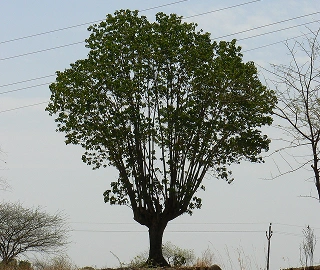


Paras Pipal Tree: Sacred Shade, Medicinal Properties, and Environmental
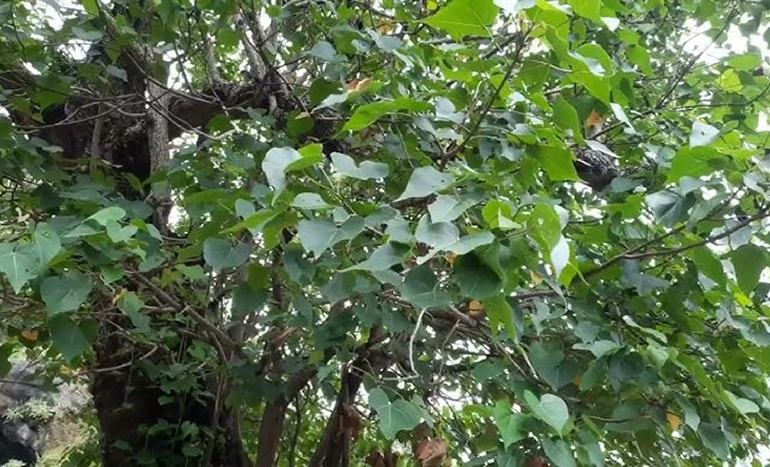
Paras Pipal Tree - Sacred Shade

The Paras Pipal Tree, scientifically known as Thespesia populnea, is a remarkable plant with deep cultural, medicinal, and ecological significance.

Often referred to as the Indian Tulip Tree or Portia Tree, it has been celebrated for centuries for its role in traditional medicine, environmental conservation, and spiritual practices. Its dense canopy, vibrant flowers, and versatile uses make it a true gift from nature.

In this blog, we'll explore the wonders of the Paras Pipal Tree, delving into its historical roots, ecological importance, health benefits, and modern applications. Let's uncover why this mythical healer holds a special place in our ecosystems and lives.

What is the Paras Pipal Tree?

The Paras Pipal Tree belongs to the Malvaceae family and thrives in tropical and subtropical regions. Known for its ability to adapt to harsh environments, this evergreen tree is a vital part of coastal and riverine ecosystems.

Scientific Classification:

  • Kingdom: Plantae
  • Family: Malvaceae
  • Genus: Thespesia
  • Species: Thespesia populnea

Physical Characteristics:

  • Height: Grows up to 6–10 meters (20–33 feet).
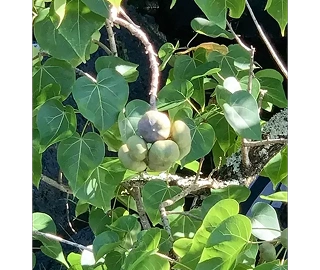
  • Leaves: Heart-shaped, glossy green, and leathery.
  • Flowers: Large, bell-shaped, and yellow with a dark maroon center.
  • Fruit: Round capsules containing seeds encased in a fibrous husk.

Historical and Cultural Significance

1. Sacred Symbolism:

In many Indian traditions, the Paras Pipal Tree is revered for its sacredness and often planted near temples. It is believed to symbolize protection, growth, and prosperity.

2. Traditional Medicine:

The tree has been a cornerstone of Ayurvedic and Siddha medicine for treating a variety of ailments, from skin disorders to digestive issues.

3. Maritime Heritage:

Historically, the durable wood of the Paras Pipal Tree was used to construct boats and ships, especially in coastal regions, due to its resistance to water and pests.

4. Cultural Rituals:

The tree's leaves and flowers are often used in religious ceremonies and offerings, signifying purity and devotion.

Ecological Importance of the Paras Pipal Tree

The Paras Pipal Tree plays a vital role in maintaining ecological balance and supporting biodiversity.

1. Coastal Protection:

With its robust root system, the tree prevents soil erosion and stabilizes shorelines, acting as a natural barrier against coastal erosion and floods.

2. Biodiversity Haven:

The tree provides habitat and food for various species of birds, insects, and small mammals, making it an integral part of the local ecosystem.

3. Carbon Sequestration:

As a fast-growing tree, it absorbs significant amounts of carbon dioxide, helping mitigate climate change.

4. Natural Shade Provider:

Its dense canopy offers shade in hot climates, making it a preferred choice for urban landscaping and public spaces.

Health Benefits and Medicinal Uses

The Paras Pipal Tree is a reservoir of medicinal properties, widely used in traditional healing practices.

1. Skin Health:

The bark and leaves are used to treat skin conditions such as eczema, rashes, and burns due to their antibacterial and anti-inflammatory properties.

2. Digestive Support:

Paras Pipal extracts help alleviate stomach disorders, including diarrhea, ulcers, and indigestion.

3. Wound Healing:

The tree's bark and leaves accelerate wound healing and prevent infections.

4. Respiratory Relief:

The tree's flowers are used in remedies for asthma, bronchitis, and other respiratory conditions.

5. Detoxification:

Tea made from the tree's bark is believed to purify the blood and support liver health.

Fun Facts About the Paras Pipal Tree

  • Mythical Name: The name "Paras" is derived from the mythical "Paras stone," believed to transform base metals into gold, reflecting the tree's multifaceted benefits.
  • Salt Tolerance: The tree thrives in saline conditions, making it a natural choice for coastal areas.
  • Versatile Timber: Its wood is lightweight yet durable, used in crafting furniture, musical instruments, and even boats.
  • Pollinator Paradise: The tree's flowers are a rich source of nectar, attracting bees and butterflies.
  • Shade and Serenity: The Paras Pipal is often planted in community spaces, where its shade offers respite from the scorching sun.

How to Grow and Care for a Paras Pipal Tree

The Paras Pipal Tree is easy to grow and requires minimal maintenance, making it an ideal choice for home gardens and reforestation projects.

1. Ideal Growing Conditions:

Climate: Thrives in tropical and subtropical climates.

Soil: Prefers sandy, loamy, or well-drained soil but is highly adaptable to saline and clay soils.

2. Planting:

Propagate using seeds or cuttings.

Plant in a sunny location with ample space for its canopy to spread.

3. Maintenance:

Watering: Requires moderate watering during the initial growth phase but is drought-tolerant once established.

Pruning: Prune regularly to maintain shape and remove dead or damaged branches.

Fertilization: Use organic compost or manure to enhance soil fertility.

Modern Applications of the Paras Pipal Tree

The Paras Pipal Tree continues to find relevance in modern industries and sustainable practices.

1. Herbal Medicine:

Extracts from the tree's bark, leaves, and flowers are used in natural remedies for various health conditions.

2. Sustainable Timber:

Its durable wood is used in eco-friendly construction and furniture making.

3. Coastal Landscaping:

The tree is widely planted in coastal areas for its ability to withstand saline conditions and stabilize shorelines.

4. Reforestation Projects:

Due to its fast growth and adaptability, the Paras Pipal Tree is a popular choice for reforestation and land rehabilitation initiatives.

Environmental and Economic Impact

1. Livelihood Opportunities:

The tree supports rural economies by providing raw materials for herbal medicine, timber, and handicrafts.

2. Sustainable Farming:

Its ability to thrive in poor soils and saline conditions makes it a valuable crop for marginal lands.

3. Climate Resilience:

The Paras Pipal Tree's resilience to harsh environments makes it a critical species for combating desertification and supporting climate-resilient ecosystems.

Challenges and Conservation Efforts

Despite its resilience, the Paras Pipal Tree faces challenges that need attention.

1. Overharvesting:

Excessive harvesting of its bark and leaves for medicinal purposes can weaken the tree's health.

2. Habitat Loss:

Deforestation and urbanization have reduced its natural populations in some regions.

Conservation Measures:

Promote sustainable harvesting practices.

Encourage community-based cultivation and conservation projects.

Raise awareness about the tree's ecological and medicinal importance.

Paras Pipal Tree Benefits

The Paras Pipal tree is a sacred and ecological wonder, offering medicinal properties, spiritual significance, and environmental perks. It's the tree that heals, inspires, and sustains all in one leafy package.

Sacred Importance of Paras Pipal Tree

Revered in many cultures, the Paras Pipal tree symbolizes wisdom, growth, and divinity. It's more than a tree—it's a spiritual icon rooted in tradition.

Medicinal Uses of Paras Pipal Tree

From its bark to its leaves, the Paras Pipal tree is a natural pharmacy. It's used to treat fevers, asthma, and skin conditions, proving its role as a healer.

Paras Pipal Tree in Ayurveda

A staple in Ayurvedic medicine, the Paras Pipal tree is known for balancing doshas, detoxifying the body, and promoting longevity. It's like a wellness guru with branches.

Growing Paras Pipal Trees

Paras Pipal trees are hardy and easy to grow. Plant them in well-drained soil, give them ample sunlight, and watch them thrive as majestic additions to your landscape.

Paras Pipal Tree for Air Purification

The Paras Pipal tree works overtime to absorb pollutants and release oxygen. It's the botanical air purifier that keeps your surroundings fresh and breathable.

Paras Pipal Tree for Shade

With its sprawling canopy, the Paras Pipal tree offers cool, refreshing shade. It's the natural shelter that transforms your space into a tranquil oasis.

Paras Pipal Tree and Biodiversity

A haven for birds, insects, and small animals, the Paras Pipal tree is an ecological hub. It's the go-to hangout for nature's little critters.

Paras Pipal Tree in Landscaping

Its striking presence and shade-making prowess make the Paras Pipal tree a favorite for parks, gardens, and large landscapes. It's the showstopper your outdoor space needs.

Paras Pipal Tree Bark Uses

The bark of the Paras Pipal tree is packed with medicinal properties. Used in teas, powders, and poultices, it's a natural remedy for a range of ailments.

Paras Pipal Tree Leaves

These heart-shaped wonders are not just beautiful—they're also used in traditional medicine to treat respiratory issues and digestive problems. Aesthetic and functional, all in one.

Environmental Benefits of Paras Pipal Tree

The Paras Pipal tree combats climate change by sequestering carbon, enriching soil, and supporting biodiversity. It's a green warrior working for a healthier planet.

Conclusion

The Paras Pipal Tree is a true green marvel, blending beauty, ecological resilience, and medicinal power.

From its role in stabilizing shorelines and supporting biodiversity to its applications in traditional medicine, this tree is a testament to nature's ability to nurture and protect.

By planting and preserving the Paras Pipal Tree, we honor its rich legacy while contributing to a greener, healthier planet.

Whether you're an environmentalist, a health enthusiast, or a nature lover, the Paras Pipal Tree is a valuable ally in fostering sustainability and well-being.

Celebrate the enduring magic of the Paras Pipal Tree and let its benefits inspire a brighter, greener future. 🌳✨

Paras Pipal Tree Flowers - Yellow Blooms
Paras Pipal Tree Coastal Protection

Paras Pipal Tree Characteristics

The Paras Pipal Tree, scientifically known as Thespesia populnea, is not just a pretty face in the forest; it's a botanical superstar! With stunning yellow blooms that make coastal areas feel like a floral paradise, this tree can reach impressive heights of up to 10 meters. Its unique heart-shaped leaves and bell-shaped flowers are the ultimate pollinator magnets, attracting bees and butterflies to join the party. Plus, its dense canopy provides a picturesque silhouette, making it the envy of every other tree in the neighborhood.

Ecological Role of Paras Pipal Tree

Think of the Paras Pipal Tree as the tree equivalent of a multi-talented artist. Not only does it provide a habitat for a variety of wildlife—birds, insects, and small mammals all love to call it home—but it also plays a crucial role in preventing soil erosion. With its robust root system, it's like nature's very own soil stabilizer, keeping the ground intact and happy. And let's not forget its carbon sequestration skills; this tree is like a superhero, absorbing carbon dioxide and fighting climate change one leaf at a time.

Historical Significance of Paras Pipal Tree

The Paras Pipal Tree has a history as rich and colorful as its blooms. For centuries, Indian traditions have revered this tree, using its wood for boats, tools, and ceremonial items. It's not just a pretty tree; it's also a practical one! The flowers and leaves were utilized in traditional medicine, showcasing the tree's versatility. So, while you admire its beauty, remember that the Paras Pipal Tree has been a vital part of cultural heritage long before it became an Instagram sensation.

Conservation of Paras Pipal Tree

With great beauty comes great responsibility, and the Paras Pipal Tree is no exception. As this stunning tree faces threats from habitat loss and overharvesting, conservation efforts are more critical than ever. Organizations and communities are stepping up to the plate, engaging in tree-planting initiatives and habitat restoration. They're not just planting trees; they're planting hope for the future. With their efforts, we can ensure that the Paras Pipal Tree continues to thrive and enchant generations to come.

How to Grow Paras Pipal Tree

Want to add a Paras Pipal Tree to your garden? You're in for a treat! First, choose the right location—this tree loves tropical to subtropical climates and well-drained, loamy soils. When planting, dig a hole that's twice as wide as the root ball, ensuring the tree has ample room to spread its roots and show off its grandeur. Water it regularly in the early years, and remember, it's a drought-tolerant superstar once established. Just a little TLC goes a long way in helping this beauty reach its full potential.

Pest Management for Paras Pipal Tree

Like any diva, the Paras Pipal Tree can have its fair share of drama—especially when it comes to pests and diseases. Regular inspections are key; keep an eye out for signs of trouble, such as pesky fungal infections. If you notice anything amiss, don't hesitate to call in the professionals—local arborists or extension services have the expertise to help your tree bounce back. After all, a happy tree is a thriving tree!

Unique Features of Paras Pipal Tree

The Paras Pipal Tree isn't just another tree; it's a botanical marvel! Its official status as a sacred tree in many cultures is a testament to its stunning appearance and resilience. The dense, strong wood has been historically valued for crafting boats and furniture, proving that this tree is both beautiful and practical. Plus, its adaptability to various soil types, including saline conditions, makes it a true survivor in the wild. So, whether you admire it for its aesthetic charm or its practical uses, the Paras Pipal Tree is a true gem of the forest.

Paras Pipal Tree and Wildlife

The Paras Pipal Tree is like the ultimate host at a nature party, providing food and shelter for a variety of wildlife. Its flowers attract a bevy of pollinators, while its fruits serve as a delightful snack for birds and small mammals. The tree's bark and leaves offer nesting materials, creating a cozy haven for critters. So, when you plant a Paras Pipal Tree, you're not just beautifying your space; you're also inviting a whole ecosystem to thrive right in your backyard.

Paras Pipal Tree in Ecosystems

The Paras Pipal Tree is a cornerstone of coastal and riverine ecosystems, playing a vital role in promoting biodiversity and ecological health. Its presence supports various species, creating a balanced environment where flora and fauna can flourish. By preventing soil erosion and contributing to carbon sequestration, this tree helps maintain the delicate balance of nature. So, every time you admire a Paras Pipal Tree, remember you're witnessing a vital piece of the ecological puzzle that keeps our planet thriving.

Cultural Importance of Paras Pipal Tree

The Paras Pipal Tree is not just a tree; it's a cultural icon! Revered by Indian traditions, it has woven itself into the fabric of their traditions and practices. From boats to ceremonial items, its wood has been used for generations, showcasing its importance beyond mere aesthetics. Its flowers and leaves have medicinal uses, further solidifying its status as a symbol of beauty and resilience. Celebrating the Paras Pipal Tree means honoring the rich cultural history intertwined with this magnificent tree.

Paras Pipal Tree and Climate Change

As climate change looms over our planet, the Paras Pipal Tree stands as a beacon of hope in the fight against environmental degradation. By sequestering carbon and supporting biodiversity, this tree plays a crucial role in mitigating the impacts of climate change. Conservation efforts focused on the Paras Pipal Tree are not just about preserving a beautiful tree; they're about safeguarding the health of entire ecosystems. By championing this tree, we're taking a stand for a greener, more sustainable future for all.

FAQ

What is the Paras Pipal tree?

The Paras Pipal (Thespesia populnea) is a stunning tree known for its breathtaking yellow blooms and unique structure. It stands tall, reaching up to 10 meters, and is a vital part of the ecosystem, providing habitat and food for various wildlife.

01

Why is the Paras Pipal important ecologically?

This tree is an ecological superstar! It provides habitat for wildlife, prevents soil erosion with its robust root system, and helps combat climate change through carbon sequestration. It's like nature's multitasker, doing good while looking fabulous!

02

How can I identify a Paras Pipal?

Look for its large, beautiful yellow flowers that bloom in spring, forming bell-shaped clusters. The tree's heart-shaped leaves and distinctive bark make it easy to spot. Just remember, if it's stunning and eco-friendly, it's probably a Paras Pipal!

03

Where does the Paras Pipal grow?

Native to tropical and subtropical regions, this tree thrives in well-drained, loamy soils and prefers full sun. You'll find it gracing coastal areas, forests, parks, and gardens, adding a touch of elegance wherever it takes root.

04

Is the Paras Pipal endangered?

While not officially endangered, the Paras Pipal faces threats from habitat loss, overharvesting, and urbanization. Conservation efforts are crucial to ensure this beauty continues to thrive in its native habitats.

05

How can I grow a Paras Pipal tree?

Choose a sunny spot with well-drained soil. Dig a hole twice as wide as the root ball, plant it, and water thoroughly. With a little love, you'll have your very own Paras Pipal to admire!

06

What are the best care tips for Paras Pipal?

Water regularly during the first few years to establish roots, then let it flaunt its drought-tolerant nature. Prune in late winter to keep it healthy and inspect for pests. It's like giving your tree a spa day!

07

What wildlife benefits from the Paras Pipal?

This tree is like a five-star restaurant for wildlife! Its flowers attract pollinators like bees and butterflies, while its fruits serve as delicious snacks for birds and small mammals. It's a win-win for nature lovers!

08

What historical significance does the Paras Pipal have?

For centuries, Indian traditions have revered the Paras Pipal for its beauty and practical uses. From crafting boats to medicinal applications, this tree has played a vital role in cultural traditions and practices.

09

What conservation efforts are in place for the Paras Pipal?

Organizations and communities are leading the charge! They focus on tree planting, habitat restoration, and community engagement to ensure the Paras Pipal thrives for future generations. Together, they're making a difference!

10

Can I use Paras Pipal wood for crafting?

Absolutely! The wood of the Paras Pipal is dense and strong, making it perfect for crafting boats and furniture. Just remember, it's best to use sustainably sourced wood to keep this beauty flourishing in the wild!

11
logo
back top