


State Trees of India
State Trees: Celebrating India's Diversity via State Trees That Symbolize Identity and Culture
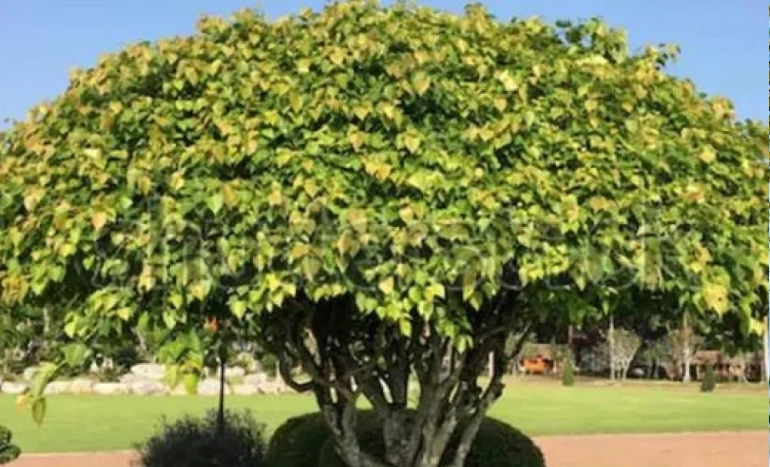
Why State Trees?
- Cultural Significance: Many trees hold deep cultural and religious importance in Indian society. They often have ties to local myths, legends, and traditions, becoming symbols that reflect the cultural identity of the state.
- Ecological Significance: State trees are often native species that are well adapted to the local environment. They play a crucial role in maintaining the ecological balance of the region, contributing to biodiversity, soil health, and overall ecosystem resilience.
- Historical Legacy: Some state trees have historical connections, being witness to important events or moments in the state's history. They may have been used in traditional practices or have played a role in the lives of indigenous communities.
- Economic Importance: Certain state trees have economic value due to their timber, fruit, or medicinal properties. Recognizing these trees as state trees can highlight their economic significance and encourage sustainable utilization.
- Environmental Awareness: Designating state trees promotes environmental awareness and conservation. It encourages people to recognize and appreciate the importance of trees in maintaining a healthy environment and addressing climate change.
State Trees of Indian States
- Andhra Pradesh - Neem (Azadirachta indica): Known as the "wonder tree," Neem is celebrated for its medicinal properties and central role in Ayurvedic medicine. Its selection reflects Andhra Pradesh's cultural and therapeutic heritage.
- Arunachal Pradesh - Hollong (Dipterocarpus macrocarpus): This evergreen tree symbolizes the lush forests of Arunachal Pradesh, holding ecological and cultural significance for indigenous communities.
- Assam - Hollong (Dipterocarpus macrocarpus): Revered for its resilience, the Hollong tree represents Assam's timeless spirit and natural wealth.
- Bihar - Peepal (Ficus religiosa): The Peepal, or Bodhi tree, is a symbol of spiritual enlightenment, linked to Lord Buddha’s enlightenment, reflecting Bihar’s spiritual heritage.
- Chhattisgarh - Sal (Shorea robusta): A sturdy tree with valuable timber, Sal is vital to Chhattisgarh’s economy and ecology, supporting local communities.
- Goa - Matti (Terminalia elliptica): Known as the Indian Laurel, Matti thrives in Goa’s climate and symbolizes the state’s environmental and cultural heritage.
- Gujarat - Mango (Mangifera indica): The Mango tree, representing prosperity, reflects Gujarat’s aspirations for growth and abundance.
- Haryana - Peepal (Ficus religiosa): Like Bihar, Haryana reveres the Peepal for its spiritual and cultural significance.
- Himachal Pradesh - Deodar (Cedrus deodara): This majestic conifer captures the essence of Himachal Pradesh’s pristine mountain landscapes.
- Jharkhand - Sal (Shorea robusta): Similar to Chhattisgarh, Jharkhand honors the Sal tree for its ecological and economic importance.
- Karnataka - Sandalwood (Santalum album): Known for its fragrant wood, Sandalwood is deeply rooted in Karnataka’s cultural, medicinal, and economic fabric.
- Kerala - Coconut Palm (Cocos nucifera): The "tree of life" provides sustenance and shelter, embodying Kerala’s coastal culture.
- Madhya Pradesh - Banyan (Ficus benghalensis): With its sprawling canopy, the Banyan symbolizes Madhya Pradesh’s rich biodiversity and interconnectedness with nature.
- Maharashtra - Mango (Mangifera indica): Like Gujarat, Maharashtra chooses the Mango tree to signify prosperity and abundance.
- Manipur - Toon (Toona ciliata): This hardwood tree underlines Manipur’s ecological and economic heritage.
- Meghalaya - White Teak (Gmelina arborea): Known as "Tingkham," White Teak reflects Meghalaya’s rich forest cover and community significance.
- Mizoram - Mesua (Mesua ferrea): This evergreen tree mirrors Mizoram’s lush landscapes and vibrant ecosystem.
- Nagaland - Alder (Alnus nepalensis): Known for its nitrogen-fixing ability, Alder reflects Nagaland’s commitment to environmental conservation.
- Odisha - Sacred Fig (Ficus religiosa): Another name for the Peepal, the Sacred Fig embodies Odisha’s spiritual and cultural values.
- Punjab - Sheesham (Dalbergia sissoo): This sturdy tree symbolizes Punjab’s agricultural heritage and support for farming communities.
- Rajasthan - Khejri (Prosopis cineraria): Well-adapted to arid conditions, Khejri showcases Rajasthan’s resilience in desert ecosystems.
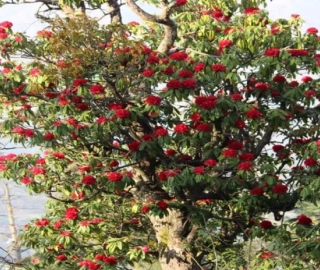
- Sikkim - Rhododendron (Rhododendron niveum): With vibrant flowers, Rhododendron mirrors Sikkim’s natural beauty.
- Tamil Nadu - Palm (Borassus flabellifer): An icon of coastal landscapes, the Palm tree provides resources and cultural significance to Tamil Nadu.
- Telangana - Jammi Chettu (Prosopis cineraria): This tree reflects Telangana’s cultural and ecological importance.
- Tripura - Agar (Aquilaria malaccensis): Known for its aromatic resin, Agar signifies Tripura’s unique forest resources.
- Uttar Pradesh - Ashoka (Saraca asoca): Revered for its ornamental and cultural value, Ashoka embodies harmony and well-being.
- Uttarakhand - Buransh (Rhododendron arboreum): With bright red flowers, Buransh represents Uttarakhand’s pristine mountain landscapes.
- West Bengal - Chatim (Alstonia scholaris): With fragrant white flowers, Chatim reflects West Bengal’s natural diversity and cultural heritage.
Cultural Symbolism
Ecological Impact
Historical Legacy
Economic Value
Environmental Awareness
Ayurvedic Significance
Indigenous Biodiversity
Traditional Practices
Symbolism and Identity
FAQ
What are Indian state trees and why are they significant?
Indian state trees are specific tree species designated as symbols for different states in India. They hold cultural, ecological, and historical significance, serving as representations of the region's identity and heritage.
1
How are state trees in India chosen and designated?
State trees are typically chosen through a process that considers cultural, ecological, historical, and economic factors. State governments or legislative bodies may officially designate a particular tree through legislation or official declarations.
2
What factors contribute to the selection of a specific tree as a state symbol?
Factors such as cultural importance, ecological significance, historical relevance, economic value, and indigenous biodiversity are considered when selecting a state tree. The tree’s connection to the region’s identity also plays a crucial role.
3
Can you explain the cultural and religious symbolism associated with Indian state trees?
Indian state trees often have deep-rooted cultural and religious symbolism, being associated with local myths, legends, and traditions. They may hold significance in religious rituals, festivals, and spiritual beliefs, serving as sacred symbols for communities.
4
What ecological roles do state trees play in their respective regions?
State trees play vital ecological roles, such as maintaining biodiversity, providing habitat for wildlife, stabilizing soil, regulating climate, and contributing to overall ecosystem health and resilience.
5
Are there any historical connections or significance linked to state trees?
Many state trees have historical connections, having witnessed significant events or moments in the region’s history. They may have been used in traditional practices or have cultural significance dating back centuries.
6
How do state trees contribute to the economic value of their regions?
Some state trees have economic value due to their timber, fruit, medicinal properties, or other commercial uses. They contribute to local economies by providing resources for industries such as agriculture, forestry, and traditional medicine.
7
What measures are taken to promote environmental awareness through state trees?
The designation of state trees promotes environmental awareness by highlighting the importance of trees in maintaining a healthy environment, addressing climate change, and conserving natural resources.
8
What are some traditional practices or rituals involving state trees?
State trees are often central to traditional practices and rituals, being revered in ceremonies, festivals, and cultural events. They may also have specific cultural or spiritual significance for local communities.
9
How do state trees reflect the identity and diversity of India's different regions?
State trees reflect the unique identity and diversity of India’s regions by symbolizing their cultural heritage, ecological landscapes, historical legacies, and indigenous biodiversity. They serve as iconic representations of each state’s distinctiveness and pride.
10
Your Suggestions
Leave your message and we'll get back to you shortly.