

Japanese Ash Tree: Unlocking the Secrets of Its Beauty, Benefits, and Cultural Significance
Japanese Ash Tree

The Japanese Ash tree, scientifically known as Fraxinus mandshurica, is a stunning species that holds a significant place in both nature and culture. With its majestic stature and remarkable adaptability, this tree is revered not only for its aesthetic appeal but also for its ecological contributions and historical importance.

1. Aesthetic Beauty of the Japanese Ash Tree

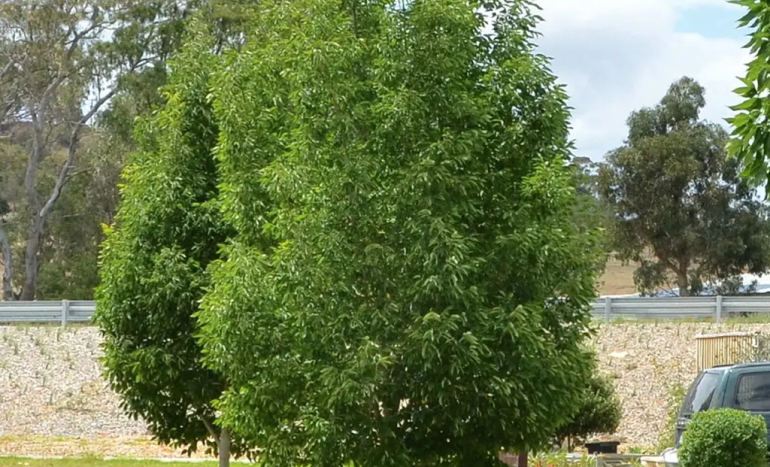
The Japanese Ash tree can grow up to 20-30 meters tall, showcasing a broad, rounded canopy that provides ample shade. Its compound leaves, which can reach lengths of 25 cm, consist of 5 to 9 leaflets that turn a vibrant yellow in the autumn, making it a stunning sight in the fall landscape.

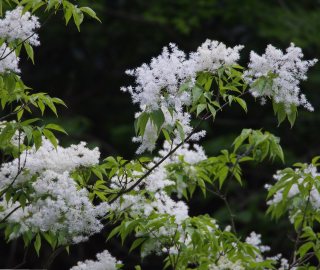
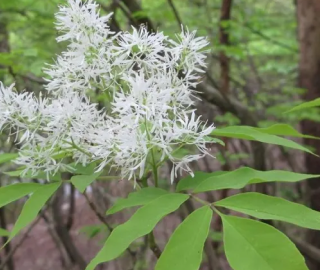
The bark is smooth and grayish, often becoming furrowed with age, adding a rustic charm to its overall appearance. In spring, the tree produces small, inconspicuous flowers that are typically greenish or purplish, followed by the development of samaras—winged seeds that are dispersed by the wind. This unique reproductive strategy not only aids in its propagation but also contributes to its role in the ecosystem.

2. Ecological Benefits

The Japanese Ash tree plays a vital role in its ecosystem. It provides habitat and food for various species of birds and insects. The foliage serves as a food source for caterpillars, while the seeds are consumed by birds and small mammals, promoting biodiversity.

Moreover, as a deciduous tree, the Japanese Ash contributes to soil health. Its fallen leaves decompose and enrich the soil with organic matter, promoting nutrient cycling. This natural process enhances the fertility of the surrounding area, benefiting other plant species and contributing to a balanced ecosystem.

Additionally, the tree's extensive root system helps in preventing soil erosion, particularly in hilly terrains. By stabilizing the soil, the Japanese Ash tree plays a crucial role in maintaining the integrity of its environment.

3. Historical Significance

The Japanese Ash tree has a rich historical significance in Japan and other parts of Asia. It has been used for centuries in traditional medicine, with various parts of the tree utilized for their purported health benefits. The bark and leaves have been used to treat conditions such as rheumatism and arthritis.

In Japanese culture, the Ash tree is often associated with strength and resilience. It is believed to symbolize protection and has been used in the construction of traditional tools and weapons, including bows and arrows. The wood of the Japanese Ash is prized for its durability and flexibility, making it a preferred choice for crafting furniture, sports equipment, and musical instruments.

4. Cultural Symbolism

In Japanese folklore, the Ash tree is often depicted as a guardian of the forest. It is said to house spirits and deities, making it a sacred element in Shinto beliefs. The tree's ability to withstand harsh weather conditions and thrive in diverse environments has led to its representation as a symbol of endurance and adaptability.

Furthermore, the Japanese Ash tree is celebrated in various art forms, including poetry and painting. Its beauty and grace have inspired countless artists throughout history, reflecting the deep connection between nature and culture in Japan.

5. Fun Facts About the Japanese Ash Tree

• The Japanese Ash tree can live for over 100 years, making it a long-lasting addition to any landscape.
• Its wood is highly valued in the production of high-quality furniture, sporting goods, and even musical instruments like the violin.
• In Japan, there are specific festivals dedicated to the celebration of trees, where the Japanese Ash is often highlighted for its cultural importance.
• The tree is known for its rapid growth rate, often reaching maturity within 20-30 years.

6. Environmental Impact

As climate change poses significant challenges to ecosystems worldwide, the Japanese Ash tree stands out as a resilient species. Its adaptability to various soil types and climates makes it a potential candidate for reforestation efforts aimed at combating deforestation and restoring degraded landscapes.

Moreover, the Japanese Ash tree contributes to carbon sequestration, helping to mitigate the effects of climate change. By absorbing carbon dioxide from the atmosphere, it plays a role in regulating greenhouse gas levels and improving air quality.

In urban areas, planting Japanese Ash trees can help reduce the urban heat island effect, providing shade and cooling benefits to local communities. Their presence can enhance the overall quality of life by improving aesthetics and providing recreational spaces.

7. Grow Billion Trees Partners: A Catalyst for Change

Organizations like Grow Billion Trees Partners are at the forefront of promoting sustainable forestry practices and reforestation projects in regions where the Japanese Ash tree thrives. Their mission is to plant billions of trees worldwide, focusing on native species that enhance biodiversity and restore ecosystems.

Grow Billion Trees Partners collaborates with local communities, governments, and environmental organizations to execute reforestation projects effectively. Their approach includes community engagement, research and monitoring, restoration of native ecosystems, and strategic partnerships to ensure the success of reforestation efforts.

8. How to Grow Japanese Ash Trees

If you're interested in planting your own Japanese Ash tree, here are some tips to ensure successful growth:

Site Selection: Choose a location with well-draining soil and adequate sunlight. Japanese Ash trees thrive in full sun to partial shade.
Soil Preparation: Amend the soil with organic matter to improve fertility and drainage. A slightly acidic to neutral pH is ideal for optimal growth.
Watering: Water the young saplings regularly, especially during dry spells. Once established, the tree is relatively drought-tolerant.
Pruning: Regular pruning helps maintain the shape and health of the tree. Remove any dead or diseased branches to promote healthy growth.
Pest Management: Monitor for common pests such as the emerald ash borer. Implement integrated pest management strategies to protect your tree.

9. Conclusion

The Japanese Ash tree is a remarkable species that embodies beauty, resilience, and cultural significance. Its ecological benefits, historical importance, and adaptability make it a valuable asset in the fight against climate change and habitat loss. Organizations like Grow Billion Trees Partners are playing a crucial role in promoting the planting of this tree, contributing to a greener and more sustainable future.

As we unlock the secrets of the Japanese Ash tree, let us appreciate its beauty and significance, and take action to protect and restore our natural environments. Whether through planting a tree in your backyard or supporting reforestation initiatives, every effort counts in nurturing the planet for future generations.

Indian Cork Fig Fruits
Indian Cork Fig Tree

FAQ

What makes the Japanese Ash tree so beautiful?

Its majestic height of 20-30 meters and broad canopy provide ample shade, while its vibrant autumn leaves and rustic bark add charm. In spring, it surprises us with inconspicuous flowers and winged seeds, showcasing nature's flair for the dramatic. Who knew beauty could be so functional!

01

What ecological benefits does the Japanese Ash tree offer?

This tree is an ecosystem superstar, providing food and habitat for birds and insects. Its fallen leaves enrich the soil, promoting nutrient cycling, while its extensive roots prevent soil erosion. Talk about multitasking! The Japanese Ash tree is nature's way of saying, "I've got your back!"

02

Why is the Japanese Ash tree historically significant?

For centuries, this tree has been a staple in traditional medicine, treating ailments like rheumatism. In Japanese culture, it symbolizes strength and resilience, often used to craft tools and weapons. With its durable wood, the Japanese Ash tree has earned its place in history as a reliable companion in both art and utility.

03

What cultural symbolism does the Japanese Ash tree hold?

In Japanese folklore, the Ash tree is a guardian of the forest, believed to house spirits and deities. Its resilience in harsh weather makes it a symbol of endurance. Artists have long drawn inspiration from its beauty, reflecting the deep bond between nature and culture. A true muse, wouldn't you say?

04

What are some fun facts about the Japanese Ash tree?

This tree can live over 100 years, making it a long-term investment in your landscape. Its wood is prized for high-quality furniture and musical instruments. Plus, it has a rapid growth rate, reaching maturity in just 20-30 years. Who knew a tree could be both classy and speedy?

05

How does the Japanese Ash tree impact the environment?

As a climate warrior, the Japanese Ash tree adapts to various soils and helps combat deforestation. It absorbs carbon dioxide, improving air quality, while providing shade in urban areas. This tree not only beautifies spaces but also enhances our quality of life. Talk about a green superhero!

06

How can I grow my own Japanese Ash tree?

Start by selecting a sunny spot with well-draining soil; this tree loves to soak up the sun! Amend the soil for fertility and keep young saplings watered. Regular pruning keeps it healthy, and watch out for pests like the emerald ash borer. With care, your tree will thrive!

07

What role does Grow Billion Trees Partners play?

This organization is a champion for sustainable forestry and reforestation, focusing on native species like the Japanese Ash tree. They engage communities, conduct research, and restore ecosystems, all while promoting biodiversity. With their help, planting trees becomes a collective mission, ensuring a greener future for all. Teamwork makes the dream work!

08

Why should I care about the Japanese Ash tree?

Caring for the Japanese Ash tree means embracing beauty, resilience, and ecological benefits. This tree fights climate change, enhances biodiversity, and enriches our cultural heritage. By supporting its growth or reforestation projects, you contribute to a sustainable future. After all, every little effort counts in nurturing our planet!

09

What are the best conditions for planting a Japanese Ash tree?

Aim for a sunny location with well-draining soil, as this tree thrives in full sun to partial shade. Amend the soil to improve fertility, and be diligent with watering young saplings. A little pruning and pest management will go a long way. Happy planting!

10

How does the Japanese Ash tree contribute to biodiversity?

The Japanese Ash tree is a buffet for various species, providing food and habitat for birds and insects. Its leaves nourish caterpillars, while seeds feed birds and small mammals. By fostering biodiversity, this tree helps maintain a balanced ecosystem. Who knew one tree could support so many!

11
logo
back top