

Sissoo Tree
Sissoo Tree: The Ultimate Guide to Its Benefits, Care, and Environmental Impact
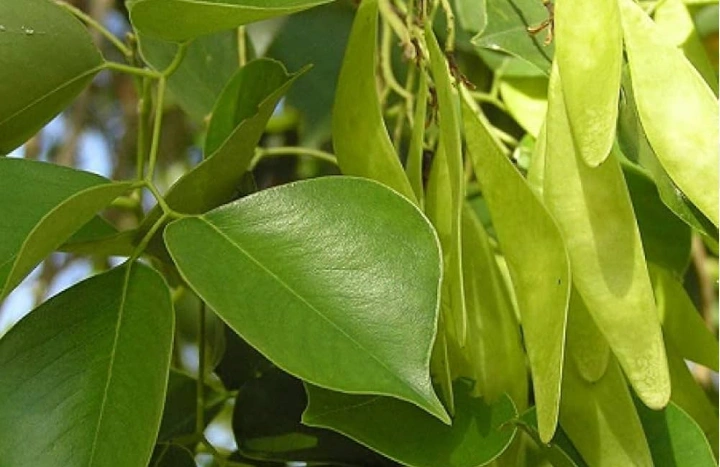
Sissoo Tree: The Ultimate Guide to Its Benefits, Care, and Environment
Botanical Overview
- Family: Fabaceae
- Genus: Dalbergia
- Species: Dalbergia sissoo
- Type: Deciduous, fast-growing tree with pinnate leaves
- Flowers: Small, fragrant, attracting pollinators
Ecological Benefits
- Soil Conservation: Deep roots stabilize soil, prevent erosion, and improve groundwater recharge.
- Biodiversity Support: Provides habitat and food for birds, insects, and mammals, enhancing local ecosystems.
- Carbon Sequestration: Absorbs CO2, mitigating climate change. A mature tree absorbs ~22 kg of CO2 annually.
Economic Benefits
- Timber Production: Durable and decay-resistant wood used for furniture, flooring, and construction.
- Medicinal Properties: Bark, leaves, and roots have anti-inflammatory and antimicrobial effects.
- Agroforestry: Provides shade for crops and improves soil fertility through leaf litter decomposition.
Social Benefits
- Community Livelihoods: Supports jobs in forestry, timber processing, and eco-tourism.
- Cultural Significance: Holds importance in local traditions and rituals.
Care and Maintenance
- Soil: Well-drained, sandy loam; slightly acidic to neutral pH (6.0–7.0).
- Watering: Young saplings require regular watering; mature trees are drought-resistant.
- Sunlight: Full sun preferred; partial shade tolerated.
- Pruning: Done during dormant season to maintain shape and remove dead branches.
Environmental Impact
- Land Restoration: Reforestation of degraded lands and prevention of desertification.
- Urban Cooling: Reduces heat island effect in cities by providing shade and transpiration.
- Water Management: Deep roots enhance groundwater recharge.
Historical Significance
Fun Facts
- Fast Growth: Can grow up to 3 feet per year.
- Longevity: Lives over 100 years with proper care.
- Nitrogen Fixation: Improves soil fertility for surrounding plants.
Grow Billion Trees Partners
- Community Engagement: Involving locals in tree planting and monitoring.
- Education and Awareness: Workshops, seminars, and campaigns.
- Monitoring: Ensuring healthy growth of newly planted trees.
- Research & Development: Best practices for plantation and care.
- Promotion: Social media campaigns, partnerships, and volunteer programs.
Conclusion
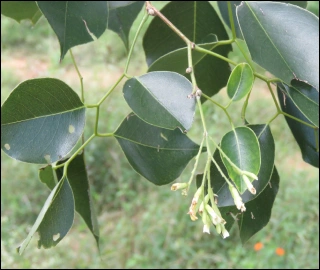
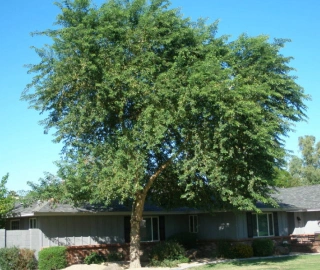
Sissoo Tree: Benefits, Care, and Environmental Significance
Benefits
- Soil Conservation: Deep roots prevent soil erosion and stabilize riverbanks.
- Carbon Sequestration: Absorbs CO2, helping mitigate climate change (~22 kg per mature tree per year).
- Biodiversity Support: Provides habitat and food for birds, insects, and mammals.
- Timber Production: Durable wood used in furniture, construction, and handicrafts.
- Medicinal Uses: Bark, leaves, and roots are used in traditional medicine for respiratory, digestive, and skin ailments.
- Community Livelihoods: Supports jobs in forestry, timber processing, and agroforestry.
Care and Maintenance
Environmental Impact
Historical and Cultural Significance
Fun Facts
- Fast-growing: Can grow up to 3 feet per year.
- Longevity: Can live over 100 years.
- Nitrogen-fixing: Enhances soil fertility for surrounding plants.
Agroforestry and Urban Benefits
Conservation and Promotion
FAQs
What is the Sissoo tree?
The Sissoo tree (Dalbergia sissoo) is a deciduous tree native to the Indian subcontinent, celebrated for fast growth, beautiful foliage, timber production, and ecological benefits.
What are the ecological benefits of the Sissoo tree?
Prevents soil erosion with deep roots, supports biodiversity by providing habitat and food for wildlife, and sequesters approximately 22 kg of CO2 per year per mature tree.
How does the Sissoo tree contribute to the economy?
Its durable timber is used for furniture and construction, while medicinal uses support traditional healthcare. Integration in agroforestry enhances soil fertility and crop yields.
What social benefits does the Sissoo tree provide?
Creates jobs in forestry, timber processing, and eco-tourism. Also contributes to cultural significance and community engagement.
What are the care requirements for the Sissoo tree?
Plant in well-drained, sandy loam soil with full sun. Water regularly for young saplings; mature trees tolerate drought. Prune during dormancy for healthy growth.
How does the Sissoo tree impact the environment?
Restores degraded lands, mitigates urban heat islands, improves groundwater recharge, and enhances local ecosystems.
What is the historical significance of the Sissoo tree?
Used in traditional medicine and ancient architecture, symbolizing strength and resilience. Its wood and leaves have been integral to temples, rituals, and cultural heritage.
Fun facts about the Sissoo tree?
Fast-growing (up to 3 ft/year), nitrogen-fixing, and long-lived (over 100 years), making it both ecologically and economically valuable.
How does Grow Billion Trees Partners promote Sissoo tree plantations?
They engage local communities, conduct educational workshops, ensure proper care for young trees, and promote sustainable tree-planting practices.
What is the overall importance of the Sissoo tree?
The Sissoo tree is a triple threat—ecological, economic, and social. It provides shade, timber, habitat for wildlife, soil enrichment, and cultural significance, making it vital for sustainable landscapes.
Your Suggestions
Leave your message and we'll get back to you shortly.