

Screwpine Tree
Screwpine Tree: The Ultimate Guide to Its Unique Benefits, Uses, and Care Tips
Screwpine Tree: The Ultimate Guide to Its Unique Benefits, Uses, and Care
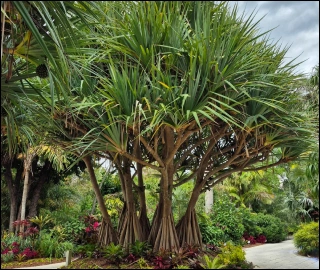
What is a Screwpine Tree?
Unique Benefits of the Screwpine Tree
Uses of the Screwpine Tree
Historical Significance
Environmental Impact
Care Tips for Growing Screwpine Trees
Fun Facts about Screwpine Trees
Growing Billion Trees Partners: A Commitment to Sustainability
Conclusion
Screwpine Tree: The Ultimate Guide for a Greener Future
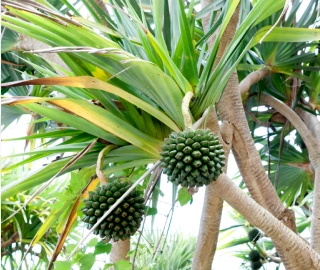
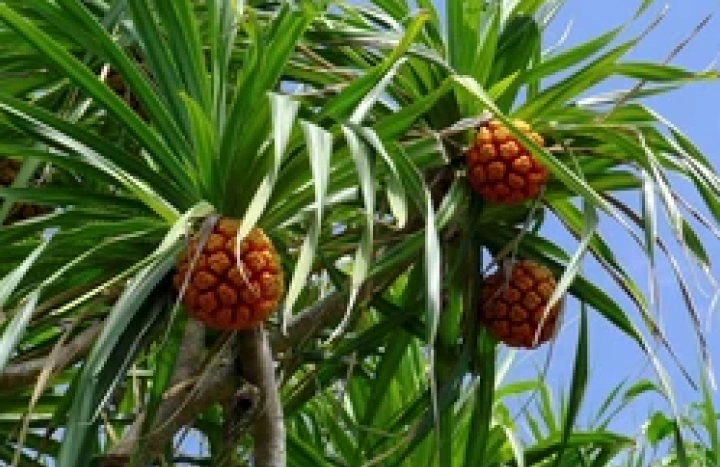
Screwpine Fruit
Pandanus Leaves
Ecological Benefits
Biodiversity Hub
Medicinal Uses
Cultural Significance
Landscaping Wonder
Natural Fencing
Growing Tips
Screwpine Crafts
Historical Importance
Environmental Impact
FAQs
What is a Screwpine Tree?
The Screwpine tree, or Pandanus, is a tropical superstar with spirally arranged leaves that resemble nature's corkscrew. Native to warm climates, it’s valuable for ecosystems and communities alike.
What are the ecological benefits of the Screwpine Tree?
Its robust roots stabilize sandy soils, prevent erosion, and protect shorelines. Additionally, it provides shelter and food for wildlife, making it a key player in maintaining biodiversity.
How is the Screwpine Tree used in traditional medicine?
Leaves and roots are used in poultices and remedies for skin issues and inflammation. This tree serves as a natural medicine source in many cultures.
What makes the Screwpine Tree culturally significant?
In Pacific cultures, it is integral to ceremonies, crafts, and cuisine. Its leaves are woven into mats, hats, and baskets, and its fruit is used in traditional feasts.
Can you eat the fruit of the Screwpine Tree?
Yes! The fruit can be eaten fresh or processed into jams, jellies, and desserts, adding an exotic flavor to various dishes.
How do you care for a Screwpine Tree?
It thrives in well-drained sandy soil with regular watering and at least six hours of sunlight per day. Occasional pruning keeps it looking neat, and it is mostly pest-tolerant.
What are the unique features of the Screwpine Tree?
Its leaves can grow up to three meters long, with a spiral pattern that optimizes sunlight absorption. It’s both stylish and functional!
How does the Screwpine Tree contribute to environmental conservation?
By stabilizing coastal ecosystems, preventing erosion, and supporting biodiversity, it acts as a natural barrier against climate change impacts.
What role does the Growing Billion Trees Partners initiative play?
This initiative promotes planting Screwpine trees and engages local communities to ensure reforestation benefits both the environment and residents.
How does the Screwpine Tree support local communities?
Its leaves are used for traditional crafts, its fruit provides food, and tree planting initiatives help preserve cultural heritage while providing economic resources.
What are some fun facts about the Screwpine Tree?
The Screwpine tree can live over 100 years, with leaves up to three meters long. Its spiral growth helps maximize sunlight absorption. Nature’s marvel indeed!
Why should I grow a Screwpine Tree?
Growing a Screwpine tree enhances your landscape, provides food and materials, supports the environment, and serves as a beautiful conversation starter!
Your Suggestions
Leave your message and we'll get back to you shortly.