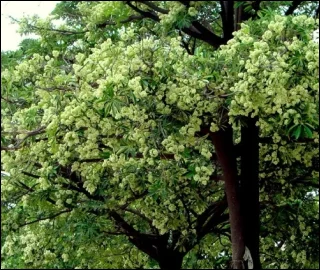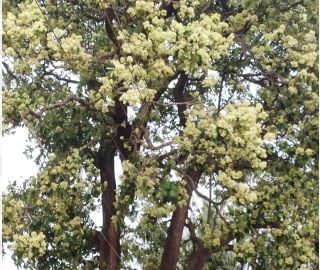

Satwin Tree: Unlocking the Mystical Secrets of Nature’s Medicinal Gem and Sustainable Wonder
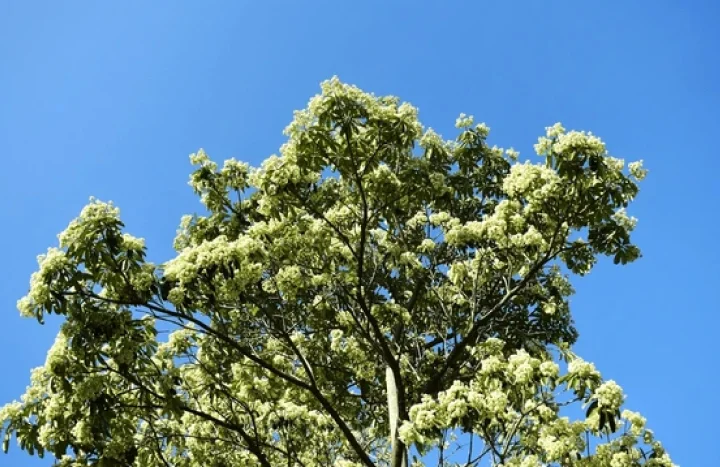
Aadusa Tree - Medicinal Plant

Satwin Tree: Unlocking the Mystical Secrets of Nature’s Medicinal Gem

The Satwin Tree, scientifically known as Alstonia scholaris, is an evergreen species celebrated for its medicinal properties, ecological benefits, and cultural significance. Often referred to as the “Scholar Tree” or “Devil’s Tree,” it has been revered for centuries for its role in traditional medicine and environmental conservation.

What is the Satwin Tree?

The Satwin Tree belongs to the Apocynaceae family and is known for its tall stature, glossy leaves, and fragrant white flowers. It can grow up to 25 meters, with a straight trunk and a dense, spreading canopy. Found in tropical and subtropical regions, it thrives in a variety of soil types and climates, making it a resilient addition to forests and urban landscapes.

Historical and Cultural Significance

The Satwin Tree has a long history of cultural and medicinal importance. In Indian traditions, it is considered sacred and is often planted near temples. Ancient texts, including the Ayurveda, describe its bark, leaves, and roots as powerful remedies for various ailments. The tree is also mentioned in folklore, where its towering presence is associated with strength and protection.
Fun Fact: The name “Scholar Tree” comes from its lightweight wood, traditionally used to make writing slates and paper.

Medicinal Properties

Renowned as a “healer tree,” the Satwin Tree contains alkaloids, flavonoids, and other bioactive compounds with numerous health benefits. Its bark, leaves, and latex are used in traditional medicine.
Anti-inflammatory: Reduces swelling and pain, effective for arthritis and joint issues.
Antimicrobial: Combats bacterial and fungal infections, supports wound healing.
Respiratory Health: Treats asthma, bronchitis, and other respiratory conditions.
Digestive Aid: Remedies for diarrhea, dysentery, and stomachaches.

Scientific Backing

Studies published in the Journal of Ethnopharmacology highlight the Satwin Tree’s antimicrobial, anti-inflammatory, and antioxidant properties. Research also supports its role in treating respiratory and digestive disorders, validating its use in traditional medicine.

Environmental Impact

The Satwin Tree plays a vital role in maintaining ecological balance. Its dense canopy provides shade and regulates temperature, while its extensive root system supports soil health and water retention.
Air Purification: Absorbs pollutants and releases oxygen, improving air quality.
Soil Stabilization: Roots prevent erosion and enhance soil fertility.
Biodiversity Support: Provides habitat for birds, insects, and small mammals.
Fun Fact: Its fragrant flowers bloom at night, attracting nocturnal pollinators like moths and bats.

Modern Applications

Beyond traditional medicine, the Satwin Tree’s lightweight wood is used for furniture, matchsticks, and paper. Its bark is being studied for pharmaceutical applications, and its inclusion in reforestation projects highlights its role in sustainable development.

Planting and Care

Soil: Thrives in well-drained, sandy, or loamy soils, adaptable to poor soils.
Sunlight: Full to partial sunlight for optimal growth and flowering.
Watering: Moderate watering during early growth; drought-tolerant once established.
Pruning: Regular pruning ensures a healthy canopy and better growth.

Cultural Symbolism

Deeply rooted in cultural and spiritual practices, the Satwin Tree is associated with purity, protection, and resilience. Its ability to thrive in challenging conditions makes it a symbol of strength and growth.

Conservation and Sustainability

Habitat loss and deforestation threaten natural populations. Promoting planting in urban and rural landscapes preserves its ecological and medicinal value. Inclusion in reforestation projects ensures benefits for future generations.

Conclusion

The Satwin Tree is a remarkable blend of beauty, utility, and resilience. From medicinal wonders to environmental contributions, it symbolizes nature’s generosity. Conserving and planting this versatile tree enriches ecosystems and communities worldwide.

Aadusa Tree Leaves - Medicinal Properties
Aadusa Tree Environmental Benefits

Satwin Tree: Benefits, Uses, and Conservation

The Satwin Tree, scientifically known as Alstonia scholaris, is an evergreen species celebrated for its medicinal properties, ecological benefits, and cultural significance. Often called the “Scholar Tree” or “Devil’s Tree,” it has been revered for centuries for its healing powers and environmental contributions.

Satwin Tree Benefits

The Satwin Tree offers a trifecta of health, beauty, and environmental perks. It provides medicinal remedies, purifies air, stabilizes soil, and enhances biodiversity, making it a natural powerhouse for both humans and ecosystems.

Medicinal Properties

Packed with alkaloids and antioxidants, the bark, leaves, and latex of the Satwin Tree are used in traditional medicine to treat respiratory issues, digestive ailments, skin infections, and inflammatory conditions. It’s a true green pharmacy at heart.

Urban Landscaping Applications

With its dense canopy and air-purifying qualities, the Satwin Tree is ideal for streets, parks, and gardens. It beautifies urban spaces while providing shade, oxygen, and a healthy environment.

Environmental Role

This eco-friendly giant absorbs pollutants, prevents soil erosion, supports biodiversity, and aids in carbon sequestration. By planting Satwin Trees, communities can restore ecological balance and combat climate change.

Cultural Significance

Revered as sacred in many traditions, the Satwin Tree symbolizes resilience, protection, and good fortune. It is commonly planted near temples and homes as a spiritual and cultural icon.

Modern Uses

Beyond medicinal applications, the Satwin Tree’s lightweight wood is used for furniture, paper, and matchsticks. Its versatility contributes to both traditional and modern industries.

Planting and Care

Soil: Well-drained sandy or loamy soils.
Sunlight: Full to partial sun.
Watering: Moderate during early growth; drought-tolerant once mature.
Pruning: Regular pruning ensures healthy canopy and growth.
Fertilization: Balanced organic fertilizer during growing season.

Conservation

Habitat loss and deforestation threaten natural populations. Promoting urban planting, reforestation, and sustainable use ensures future generations benefit from the Satwin Tree’s medicinal, ecological, and cultural treasures.

What is the Satwin Tree?

The Satwin Tree, or Alstonia scholaris, is an evergreen tropical tree celebrated for its medicinal properties, cultural significance, and ecological benefits.

1

Why is the Satwin Tree called the “Scholar Tree”?

Its lightweight wood was traditionally used to make slates and paper, earning it the nickname “Scholar Tree” for its academic contribution.

2

What are the medicinal uses of the Satwin Tree?

Its bark, leaves, and latex treat respiratory conditions, digestive issues, and infections, proving it’s a natural healer with age-old wisdom.

3

How does the Satwin Tree benefit the environment?

It purifies air, prevents soil erosion, and supports biodiversity by providing food and shelter to pollinators and wildlife.

4

Can the Satwin Tree thrive in urban areas?

Absolutely! Its adaptability to various soils, pollution resistance, and air-purifying qualities make it a great addition to urban landscapes.

5

Why is the Satwin Tree culturally significant?

Revered as sacred in many traditions, the tree symbolizes resilience, protection, and prosperity, often planted near temples and homes.

6

What are the modern uses of the Satwin Tree?

Its wood is used for furniture, paper, and matchsticks, while its medicinal extracts are being studied for pharmaceuticals and skincare products.

7

Why should we conserve the Satwin Tree?

Deforestation threatens its population, and conservation ensures its medicinal, ecological, and cultural benefits are preserved for future generations.

8
logo
back top