
Bougainvillea Plant: Vibrant Blooms, Hardy Growth, and Decorative Genius
Aadusa Tree - Medicinal Plant

Bougainvillea Tree: Vibrant Blooms, Hardy Growth, and Decorative Genius

The Bougainvillea Tree (Bougainvillea glabra or Bougainvillea spectabilis) is a stunning ornamental plant admired for its vivid bracts and cascading beauty. Known as the "paper flower," its colorful leaves create vibrant landscapes while supporting pollinators and ecological balance.

This guide explores the Bougainvillea Tree’s scientific classification, historical and cultural significance, environmental benefits, cultivation tips, and modern applications.

Scientific Classification and Characteristics

  • Height: Up to 12 meters with support; can grow as a shrub, vine, or tree.
  • Leaves: Simple, ovate, evergreen with a slightly leathery texture.
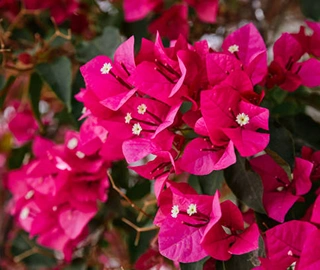
  • Flowers: Tiny white flowers surrounded by colorful bracts (magenta, pink, orange, white, yellow).
  • Thorns: Sharp thorns along stems providing natural protection.
  • Family: Nyctaginaceae.

Historical and Cultural Significance

  • Discovered in Brazil in 1768 by botanist Philibert Commerson and named after Louis Antoine de Bougainville.
  • Globally recognized as a symbol of beauty, passion, and abundance in ornamental gardening.
  • Inspired artists, architects, and gardeners with its cascading colorful blooms.

Ecological and Environmental Benefits

  • Supports pollinators such as bees, butterflies, and hummingbirds.
  • Prevents soil erosion with extensive roots, especially on slopes or arid areas.
  • Thrives in urban and harsh environments, aiding in sustainable landscaping and reducing heat islands.
  • Drought-tolerant once established, conserving water resources.

Medicinal Uses

  • Extracts used in traditional medicine for coughs, colds, and asthma.
  • Antimicrobial properties aid in minor skin treatments and wound healing.
  • Tea made from leaves can support digestive health.

Cultivation and Care Tips

  • Climate: Prefers warm, sunny climates (USDA zones 9–11).
  • Soil: Well-drained soil; tolerates sandy or rocky conditions.
  • Sunlight: Full sun, 6–8 hours daily for optimal blooming.
  • Watering: Water sparingly; avoid overwatering to prevent root rot.
  • Pruning: Regular pruning encourages flowering and maintains desired shape.
  • Fertilization: Balanced fertilizer during growing season enhances bract vibrancy.

Modern Applications and Landscaping

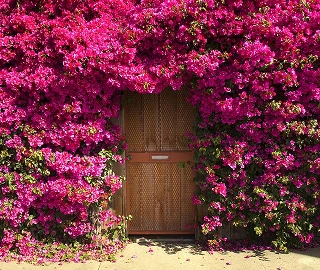
  • Ornamental landscaping for gardens, pergolas, walls, and vertical gardens.
  • Urban greening projects, adding biodiversity and reducing urban heat.
  • Natural fences and privacy screens due to thorny stems.
  • Used in artistic and eco-friendly designs for aesthetic and functional purposes.

Fun Facts

  • The vibrant colors are bracts, not true flowers.
  • Thrives in poor soils, including sandy and rocky terrains.
  • Cultivated in over 80 countries, popular in tropical and Mediterranean climates.
  • Associated with celebrations and festive decoration worldwide.

Conclusion

The Bougainvillea Tree is a vibrant blend of aesthetic, ecological, and medicinal value. Its cascading blooms, drought tolerance, and pollinator support make it a sustainable choice for gardens, urban landscapes, and conservation projects.

Planting and caring for Bougainvillea celebrates nature’s artistry, enhances biodiversity, and contributes to greener, more sustainable environments for generations to come.

Aadusa Tree Leaves - Medicinal Properties
Aadusa Tree Environmental Benefits

Bougainvillea Tree: Vibrant Blooms, Hardy Growth, and Decorative Genius

The Bougainvillea Tree (Bougainvillea glabra or Bougainvillea spectabilis) is a stunning ornamental plant admired for its vivid bracts and cascading growth. Known as the "paper flower," it brings color, resilience, and ecological benefits to gardens, trellises, fences, and urban landscapes.

This guide covers the Bougainvillea Tree’s scientific characteristics, cultural significance, environmental benefits, cultivation tips, decorative applications, and symbolic value.

Scientific Characteristics

  • Height: Up to 12 meters; can grow as a shrub, vine, or tree with support.
  • Leaves: Simple, ovate, evergreen, tough and resilient.
  • Flowers: Tiny white flowers surrounded by colorful bracts in magenta, pink, orange, yellow, and white.
  • Thorns: Sharp along stems, providing natural protection.
  • Family: Nyctaginaceae.

Vibrant Blooms

Bougainvillea’s colorful bracts are its signature feature, painting gardens in bold shades and creating a striking visual impact. These blooms attract pollinators, adding ecological value alongside aesthetic beauty.

Hardy Growth and Drought Resistance

Bougainvillea thrives in harsh conditions, requiring minimal water once established. Its resilience makes it ideal for drought-resistant and low-maintenance gardening.

Cultivation and Care Tips

  • Sunlight: Full sun exposure for at least 6–8 hours daily for optimal flowering.
  • Soil: Well-drained, sandy or rocky soils; tolerates poor soil conditions.
  • Watering: Moderate; allow soil to dry between watering to avoid root rot.
  • Pruning: Regular pruning encourages blooms and maintains desired shape.
  • Support: Trellises or walls aid climbing varieties to cascade beautifully.

Decorative and Landscaping Uses

  • Ornamental: Hedges, trellises, fences, and potted displays for vibrant color.
  • Urban Landscaping: Adds greenery and biodiversity to parks, streetscapes, and gardens.
  • Privacy Screens: Dense foliage provides natural barriers and visual separation.
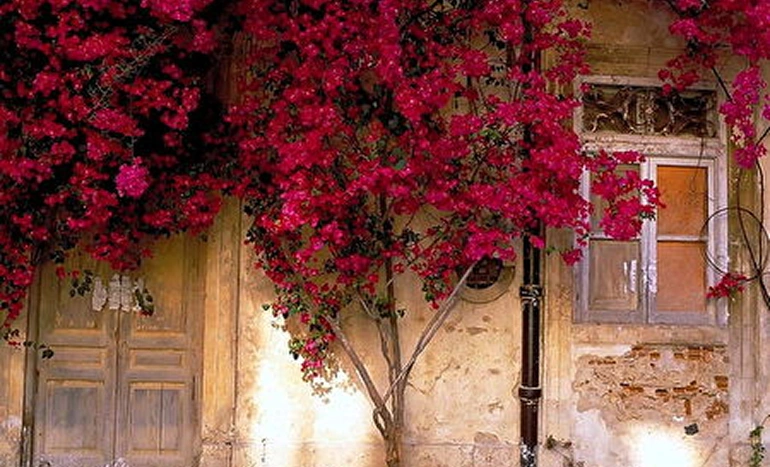
  • Vertical Décor: Climbs walls and structures, creating cascading floral effects.

Cultural Significance

Bougainvillea symbolizes passion, resilience, and beauty that thrives under adversity. In many cultures, it represents perseverance, vitality, and festive joy, making it both a decorative and symbolic plant.

Conclusion

The Bougainvillea Tree is a perfect blend of aesthetics, hardiness, and ecological value. Its vibrant bracts, drought tolerance, and ability to attract pollinators make it an essential choice for sustainable landscaping and decorative gardening.

Incorporating Bougainvillea into your garden or urban landscape brings color, supports biodiversity, and celebrates the resilience and beauty of nature.

FAQs

What is the Bougainvillea plant and why is it called a decorative genius?

Bougainvillea is known for its vibrant, papery bracts that resemble flowers. Its versatility in climbing, landscaping, and brightening spaces makes it the ultimate decorative genius.

How can I grow a Bougainvillea plant at home?

Bougainvillea thrives in sunny spots with well-drained soil. Plant it near a trellis or wall, water sparingly, and prune regularly for colorful, low-maintenance blooms.

What are the benefits of Bougainvillea’s vibrant blooms?

The bracts come in shades of magenta, pink, orange, yellow, and white, transforming dull spaces into colorful masterpieces while attracting pollinators.

Is the Bougainvillea plant hardy?

Yes! Bougainvillea is drought-resistant and thrives in tough conditions, making it resilient even with minimal care.

How does Bougainvillea work as a climber?

Bougainvillea climbs walls, fences, and trellises gracefully, creating cascading floral displays and adding vertical color to gardens and landscapes.

Why is Bougainvillea perfect for drought-resistant gardening?

It requires minimal water once established, making it ideal for water-wise gardening and eco-friendly landscaping.

Can Bougainvillea be used for privacy screens?

Yes, its dense growth and fast-spreading vines make it an excellent natural barrier or privacy screen while adding color.

What care does Bougainvillea require for vibrant blooms?

Provide full sun, well-drained soil, sparing water, and regular pruning to maintain vibrant and healthy blooms year-round.

Is Bougainvillea pollinator-friendly?

Yes, it attracts bees, butterflies, and hummingbirds, supporting local pollinator populations and ecosystem health.

Why is Bougainvillea a favorite for landscaping?

Its bold colors, climbing ability, and adaptability make it ideal for hedges, potted displays, trellises, and backdrops, enhancing any landscape.

What does Bougainvillea symbolize in culture?

Bougainvillea represents passion, resilience, and beauty. Its vibrant blooms and hardy nature make it a living metaphor for strength and elegance.

Can Bougainvillea be grown indoors?

While it prefers outdoor sun, Bougainvillea can grow indoors in bright, sunny locations if given enough light and space to bloom.

logo
back top