


Persian Lilac Tree
Persian Lilac Tree: The Ultimate Guide to Cultivating This Stunning an
Understanding the Persian Lilac Tree
Scientific Classification
Historical Significance
Growing Conditions
Climate
Soil Requirements
Watering
Planting the Persian Lilac Tree
1. Choose the Right Location
2. Prepare the Soil
3. Planting
Care and Maintenance
Fertilization
Pruning
Pest and Disease Management
Environmental Impact
Fun Facts About the Persian Lilac Tree
Grow Billion Trees Partners: Promoting Tree Planting Initiatives
Conclusion
Persian Lilac Tree Care
Planting Persian Lilac
Environmental Benefits of Persian Lilac
Historical Significance of Persian Lilac
Soil Requirements for Persian Lilac
Watering Persian Lilac
Pest Management for Persian Lilac
Pruning Persian Lilac
Persian Lilac Tree Varieties
Cultural Significance of Persian Lilac
Fragrance of Persian Lilac
FAQ
What is the Persian Lilac Tree?
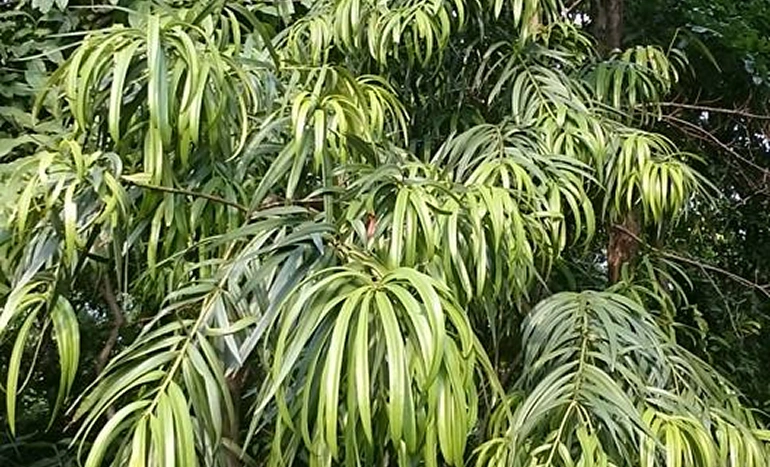
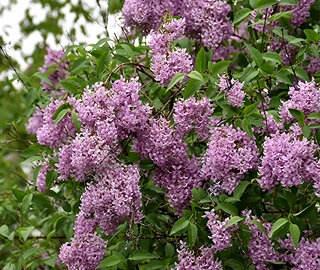
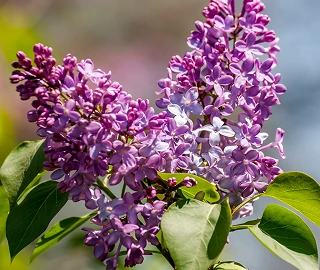
The Persian Lilac Tree, or Melia azedarach, is a deciduous beauty known for its lavender flowers and lush green foliage. Native to Asia and Australia, it can grow up to 40 feet tall, making it a showstopper in any garden. It's like nature's confetti, celebrating spring with fragrant blooms!
01
What are the ideal growing conditions for the Persian Lilac Tree?
This tree loves USDA zones 7 to 10, basking in full sun for at least six hours daily. It thrives in well-draining loamy soil but can tolerate sandy or clay soils. Think of it as the diva of the garden—she needs her space and sunshine to flourish!
02
How do I plant a Persian Lilac Tree?
Planting is a breeze! Choose a sunny spot, prepare the soil by loosening it and adding organic matter, and dig a hole twice the size of the root ball. Place the tree, backfill, and water thoroughly. Voilà! You've just set the stage for a floral performance!
03
What kind of maintenance does the Persian Lilac Tree require?
To keep this beauty thriving, regular care is key! Fertilize with a balanced, slow-release fertilizer in spring, prune in late winter, and watch for pests. Think of it as a spa day for your tree—pampering leads to stunning results!
04
Is the Persian Lilac Tree susceptible to pests?
While this tree is relatively pest-resistant, it can attract aphids and scale insects. Regular inspections are crucial! If you spot any unwelcome guests, treat them promptly with organic solutions. It's like a bouncer for your tree—keeping the riff-raff out!
05
What are the environmental benefits of planting a Persian Lilac Tree?
Planting this tree is like giving Mother Nature a high-five! It improves air quality, provides wildlife habitat, and enhances biodiversity. Plus, its fragrant flowers attract pollinators, contributing to a healthier ecosystem. You're not just planting a tree; you're planting a legacy!
06
How tall and wide does the Persian Lilac Tree grow?
This magnificent tree can reach heights of up to 40 feet and spread up to 30 feet wide. It's the ultimate garden centerpiece, commanding attention and admiration. Just imagine the shade and beauty it offers—like a natural umbrella for your outdoor gatherings!
07
Can I grow the Persian Lilac Tree in colder climates?
While the Persian Lilac Tree prefers warmer climates, it has some cold tolerance. It can handle a bit of chill, but remember, it thrives in USDA zones 7 to 10. If you're in a cooler area, consider giving it a cozy spot with some extra warmth!
08
What is the historical significance of the Persian Lilac Tree?
This tree has a storied past, used in traditional medicine for centuries and steeped in folklore. Many cultures believe it brings good fortune and protection. It's not just a pretty face; it's a tree with tales to tell and wisdom to share!
09
How do I prune a Persian Lilac Tree?
Pruning is an art! Do it in late winter or early spring before new growth begins. Remove any dead or diseased branches and shape the tree for a strong structure. Think of it as giving your tree a stylish haircut—keeping it healthy and fabulous!
10
What organizations support tree planting initiatives like the Persian Lilac Tree?
Organizations like Grow Billion Trees Partners are champions of tree planting! They promote initiatives that combat climate change and educate communities about the importance of trees. By supporting them, you're joining a movement dedicated to creating a greener, more beautiful planet!
11
Your Suggestions
Leave your message and we'll get back to you shortly.