


Locust Tree
Locust Tree: The Ultimate Guide to Its Benefits, Care, and Unique Features
Benefits of the Locust Tree
Soil Improvement
Wood Quality
Pollinator Friendly
Shade and Aesthetics
Wildlife Habitat
Unique Features
Care and Maintenance
Ecological Benefits
Economic Benefits
Aesthetic Benefits
Historical Significance
Environmental Impact
Fun Facts
Grow Billion Trees Partners
Educational Programs
Conclusion
FAQ
What is a locust tree?
A locust tree, scientifically known as Robinia pseudoacacia, is a tall, stunning tree that can reach up to 80 feet. With its fragrant flowers and robust trunk, it’s not just a pretty face; it’s a powerhouse of ecological benefits, making it a favorite among homeowners and environmentalists alike.
01
What are the unique features of the locust tree?
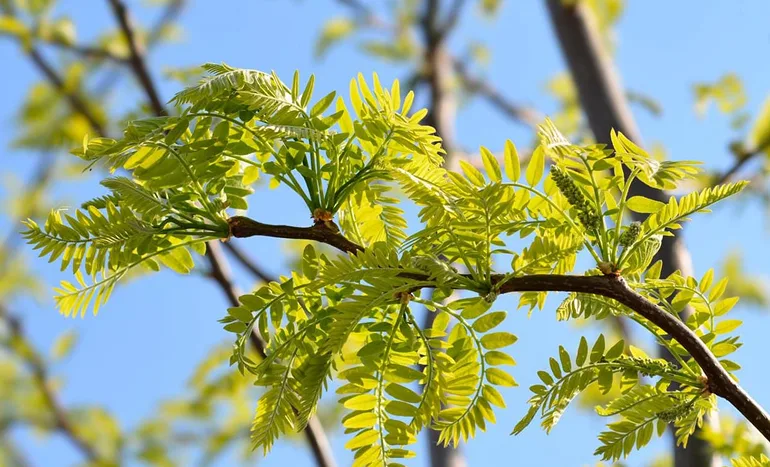
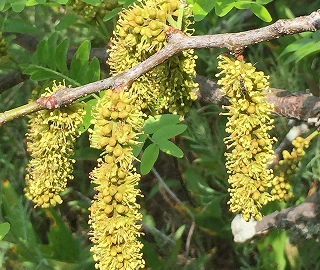
The locust tree boasts a striking dark gray, deeply furrowed bark and compound leaves with 7 to 19 leaflets. Its late spring flowers are fragrant and attract pollinators, while the elongated seed pods add a touch of intrigue. It’s a showstopper in any landscape!
02
How does the locust tree improve soil?
As a nitrogen-fixing champion, the locust tree enriches the soil by converting atmospheric nitrogen into a usable form for plants. This makes it an eco-friendly choice for reforestation and soil restoration projects, giving Mother Nature a helping hand while looking fabulous!
03
What wildlife benefits from locust trees?
The locust tree is a wildlife magnet! Its flowers attract bees, while its foliage provides food and habitat for various birds, insects, and mammals. It’s like a five-star restaurant and hotel for local critters, all wrapped up in one beautiful package!
04
What are the economic benefits of locust trees?
Beyond their beauty, locust trees offer economic perks too! Their durable wood is perfect for outdoor furniture and flooring, and the nectar produces a sought-after honey. So, while you’re enjoying the shade, you might just be cashing in on some sweet honey profits!
05
How do I care for a locust tree?
Caring for a locust tree is a breeze! Plant it in a sunny spot with well-drained soil, water it during its first growing season, and give it a little prune now and then. With minimal fuss, you’ll have a thriving tree that’s the envy of the neighborhood!
06
What pests and diseases affect locust trees?
Locust trees are generally tough cookies resistant to pests and diseases. However, keep an eye out for locust borers and leaf spots. With a little monitoring and timely interventions, you can keep your tree healthy and thriving without breaking a sweat!
07
Can locust trees become invasive?
Yes, while locust trees are beneficial, they can become invasive in some regions. Their fast growth may lead them to outcompete native species. So, if you’re planting one, make sure to manage its growth to maintain a healthy ecological balance!
08
What is the historical significance of locust trees?
The locust tree has a rich history, from Native American use for tools and medicine to European settlers valuing its fast growth. Today, it’s cultivated worldwide for its ecological and economic benefits, making it a true survivor with a story to tell!
09
How do locust trees contribute to carbon sequestration?
Locust trees are climate warriors! By absorbing carbon dioxide and storing it in their biomass, they help combat climate change. So, planting a locust tree isn’t just a landscaping decision; it’s a bold step toward a greener planet!
10
What fun facts make locust trees unique?
Their super-hard wood is prized for musical instruments, and their edible flowers can spice up your salad or become a sweet treat. Who knew trees could be so versatile?
11
How does Grow Billion Trees Partners support locust tree cultivation?
Grow Billion Trees Partners is on a mission! They engage communities in tree planting, promote reforestation projects, and collaborate with various stakeholders. Their educational programs teach sustainable forestry practices, ensuring that locust trees thrive for generations to come!
12
Your Suggestions
Leave your message and we'll get back to you shortly.