

Snake Bean Tree
Snake Bean Tree: The Ultimate Guide to Cultivating Nature's Hidden Gem for Your Garden
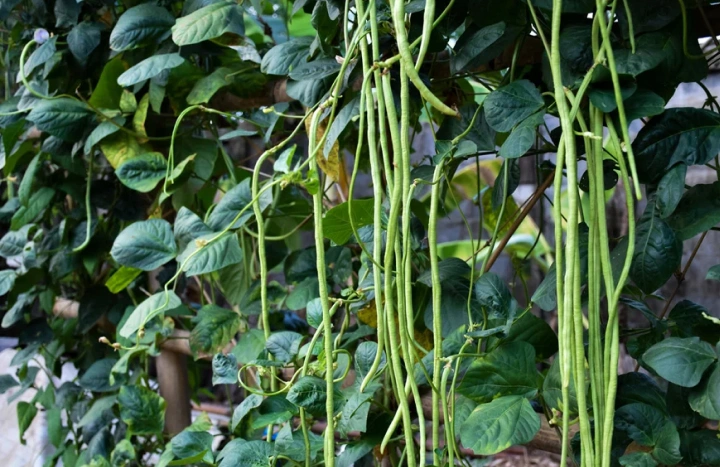
Snake Bean Tree: The Ultimate Guide to Cultivating Nature's Hidden Gem
Nutritional Benefits
Historical Significance
Growing Conditions
- Soil: Well-drained, loamy soil, pH 6.0–7.0.
- Sunlight: Full sun, 6–8 hours daily.
- Watering: Keep consistently moist, especially during flowering and pod-setting, but avoid waterlogging.
- Temperature: 21°C–35°C (70°F–95°F); frost-sensitive.
Propagation Techniques
- Seed Preparation: Soak seeds in water for 24 hours.
- Planting: Sow 1 inch deep; space 2–3 feet apart.
- Watering: Maintain moisture until germination (7–14 days).
- Support: Provide trellises or stakes as plants grow to 6–10 feet.
Pest and Disease Management
- Introduce natural predators like ladybugs and lacewings.
- Use organic insecticides like neem oil or insecticidal soap.
- Practice crop rotation to prevent soil-borne diseases.
Harvesting and Culinary Uses
Environmental Impact
- Soil Health: Fixes nitrogen, improving soil fertility.
- Biodiversity: Supports garden diversity and local ecosystems.
- Carbon Sequestration: Absorbs CO₂, reducing greenhouse gases.
Grow Billion Trees Initiatives
- Community Engagement: Workshops and training on sustainable gardening.
- Partnerships: Collaborates with governments and NGOs for tree planting.
- Awareness Campaigns: Promotes benefits of planting native species like Snake Beans.
Conclusion
Snake Bean Tree: Tropical Legume and Garden Superstar
Nutritional Powerhouse
Growing Conditions
Propagation Techniques
Pest Management
Harvesting Tips
Culinary Uses
Environmental Impact
Historical Significance
Grow Billion Trees Initiatives
Sustainable Gardening
FAQs
What is the Snake Bean Tree?
The Snake Bean Tree, also known as the Yardlong Bean, is a tropical legume celebrated for its long, slender pods that can reach up to 3 feet. Native to Southeast Asia, it’s a garden showstopper and a culinary superstar!
What are the nutritional benefits of Snake Beans?
Rich in vitamins A, C, and K, as well as calcium, magnesium, and potassium, Snake Beans are high in fiber and protein. They’re perfect for vegetarians and anyone looking for a healthy, colorful addition to their meals.
How do I grow Snake Bean Trees?
Plant in well-drained, loamy soil with full sun exposure. Keep the soil consistently moist and maintain temperatures between 70°F and 95°F. With proper care, you’ll be rewarded with long, luscious pods!
What is the historical significance of Snake Beans?
Snake Beans have been cultivated in Asia for over 2,000 years and were brought to the Americas by enslaved Africans. Their adaptability and nutritional value have made them a global culinary staple.
How do I propagate Snake Beans?
Soak seeds for 24 hours, plant about 1 inch deep, and keep the soil moist. Germination occurs in 7–14 days. Use trellises or stakes for support as the plants grow tall and vigorous.
What pests should I watch out for?
Common pests include aphids, spider mites, and whiteflies. Introduce natural predators like ladybugs or use organic insecticides like neem oil to keep your plants healthy.
When is the best time to harvest Snake Beans?
Harvest pods when they are 10–14 inches long and still tender. Snap them off gently to ensure the best flavor and texture.
What culinary uses do Snake Beans have?
They can be steamed, stir-fried, or added to soups and salads. Their crunchy texture and vibrant color make any dish visually appealing and nutritious.
How do Snake Beans benefit the environment?
They fix nitrogen in the soil, improve fertility, support biodiversity, and absorb carbon dioxide, making them an eco-friendly addition to any garden.
What is Grow Billion Trees?
Grow Billion Trees is a sustainability-focused organization that plants trees, promotes biodiversity, and educates communities on green practices, creating a greener planet one tree at a time.
How can I get involved with tree planting initiatives?
You can participate in local tree planting events, support organizations like Grow Billion Trees, and adopt sustainable gardening practices to help create healthier ecosystems and communities.
Your Suggestions
Leave your message and we'll get back to you shortly.