

Chinese Pistachio Tree: The Ultimate Guide to Growing, Benefits, and Stunning Landscapes

Chinese Pistachio Tree - Stunning Landscape Beauty

The Chinese Pistachio tree, scientifically known as Pistacia chinensis, is a remarkable species that has become increasingly popular among homeowners and landscapers alike. Known for its stunning fall foliage, adaptability, and low maintenance requirements, this tree offers a myriad of benefits, making it a fantastic addition to any landscape.

Botanical Profile of Chinese Pistachio Tree

  • Scientific Name: Pistacia chinensis
  • Family: Anacardiaceae
  • Native Region: China
  • Common Names: Chinese Pistache

Understanding the Chinese Pistachio Tree

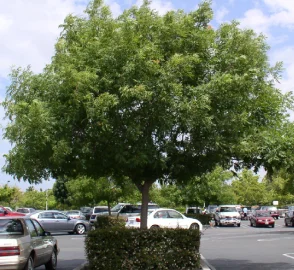
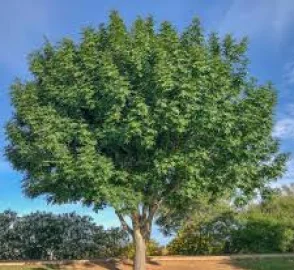
The Chinese Pistachio tree is native to China and has been cultivated for centuries. This deciduous tree can grow between 20 to 35 feet tall with a spread of 25 to 35 feet, making it a medium-sized tree suitable for various landscapes. The tree is known for its attractive, glossy green leaves that turn vibrant shades of red, orange, and yellow in the fall.

  • Height: 20-35 feet tall
  • Spread: 25-35 feet wide
  • Foliage: Glossy green leaves, vibrant fall colors
  • Type: Deciduous tree
  • Growth Rate: Moderate
  • Seasonal Interest: Stunning autumn display

Environmental Impact

Planting trees like the Chinese Pistachio has a significant positive impact on the environment. According to the U.S. Forest Service, trees improve air quality, reduce urban heat, and provide habitat for wildlife. A mature Chinese Pistachio can absorb approximately 48 pounds of carbon dioxide per year.

  • Carbon Sequestration: Absorbs 48 pounds of CO2 annually
  • Air Quality Improvement: Filters pollutants and releases oxygen
  • Urban Heat Reduction: Cools surrounding areas
  • Wildlife Habitat: Provides food and shelter for birds
  • Biodiversity Support: Promotes ecological balance
  • Climate Action: Helps mitigate climate change

Fun Facts About Chinese Pistachio Tree

  • Historical Use: Used in traditional Chinese medicine
  • Fruit Production: Small edible fruits for wildlife
  • Urban Tolerance: Adapts well to city pollution
  • Family Ties: Related to cashews and mangoes
  • Fall Spectacle: Brilliant red, orange, and yellow foliage
  • Low Maintenance: Drought-tolerant once established

How Grow Billion Trees Promotes Chinese Pistachio Planting

Organizations like Grow Billion Trees Partners are dedicated to promoting tree planting and environmental sustainability. They execute projects in regions where trees can have substantial ecological impact, including planting species like the Chinese Pistachio.

  • Community Engagement: Involving locals in planting efforts
  • Educational Resources: Teaching tree benefits and care
  • Restoration Projects: Reforesting degraded areas
  • Sustainable Practices: Promoting eco-friendly planting
  • Urban Greening: Enhancing city landscapes
  • Climate Action: Combatting climate change through reforestation

Why Plant Chinese Pistachio Trees?

  • Ornamental Beauty: Stunning seasonal color displays
  • Environmental Benefits: Air purification and carbon sequestration
  • Low Maintenance: Drought-tolerant and pest-resistant
  • Wildlife Support: Habitat and food for birds and insects
  • Urban Adaptability: Tolerates pollution and various soils
  • Energy Savings: Provides shade to reduce cooling costs

Final Thought: Nature's Colorful Masterpiece
The Chinese Pistachio tree is an exceptional choice for anyone looking to enhance their landscape while contributing positively to the environment. Its stunning seasonal displays, low maintenance needs, and numerous benefits make it a valuable addition to any garden. By understanding how to grow and care for this tree, you can enjoy its beauty for years to come while supporting a greener planet.

Chinese Pistachio Tree Fall Colors
Chinese Pistachio Tree Canopy

Understanding Chinese Pistachio

Dive into the world of the Chinese Pistachio tree, a botanical gem that's not just a pretty face. With its scientific name, Pistacia chinensis, this tree is a showstopper in any landscape. It flaunts glossy green leaves that morph into a dazzling palette of reds, oranges, and yellows come fall. Not just a seasonal diva, it's a medium-sized marvel that adapts to various environments, making it the go-to choice for homeowners and landscapers alike.

Growing Conditions for Success

Want to cultivate your own Chinese Pistachio? First, you need to know what makes it tick! Thriving in USDA hardiness zones 6 to 9, it loves hot, dry summers and can brave the cold winters. It's like the Goldilocks of trees—needing just the right amount of sunlight and well-drained soil with a pH between 6.0 and 7.5. Nail these conditions, and you'll have a thriving tree that's the envy of the neighborhood.

Planting Tips for a Flourishing Tree

Ready to plant your Chinese Pistachio? Timing is everything! Spring or fall is when this beauty wants to settle in. Choose a sun-drenched spot with ample space, dig a hole twice as wide as the root ball, and make sure it's not too deep—no one likes a tree that feels like it's in a hole! Place the tree in the center, backfill, and give it a good drink. Voila! You're on your way to tree-parenthood.

Care and Maintenance Essentials

Once you've planted your Chinese Pistachio, it's time to roll up your sleeves and dive into tree care! Water regularly in the first year to help those roots take hold. After that, it's a drought-tolerant superstar that needs minimal watering. A balanced fertilizer in early spring will keep it thriving, and a little pruning in late winter or early spring will help maintain its shape. Keep an eye out for pesky pests—though this tree is generally tough, even the best can have a few uninvited guests.

Benefits Beyond Beauty

The Chinese Pistachio tree is not just a pretty face; it's a multitasking marvel! With its vibrant fall colors, it elevates your landscape's aesthetic game. Its broad canopy provides welcome shade during scorching summers, helping to cool your home and cut energy costs. Plus, it's a wildlife haven, offering food and shelter for birds and insects. And let's not forget its air-purifying prowess—like all trees, it absorbs CO2 and releases oxygen, making it a champion for cleaner air.

Environmental Impact of Planting

Planting a Chinese Pistachio isn't just good for your yard; it's a win for the planet! Trees play a crucial role in improving air quality, reducing urban heat, and providing homes for wildlife. A mature Chinese Pistachio can absorb about 48 pounds of carbon dioxide each year—talk about a tree with a mission! By adding this tree to your landscape, you're not just beautifying your space; you're contributing to the fight against climate change.

Fun Facts to Impress

Did you know the Chinese Pistachio tree has a rich history? Used in traditional Chinese medicine for centuries, it's believed to have various health benefits. While it produces small, edible fruits, they're more of a snack for birds than a commercial crop. Plus, this tree is a tough cookie, known for its ability to tolerate urban pollution. So, while it may look delicate with its stunning foliage, it's got resilience in spades!

Transforming Your Landscape

Ready to give your landscape a makeover? The Chinese Pistachio tree is your ticket to a stunning transformation! Its vibrant fall foliage creates a breathtaking contrast against evergreens and other deciduous trees. Use it as a backdrop for smaller flowering plants to create a multi-layered garden design that's Instagram-worthy. Planting them along pathways can frame your entrance beautifully, making your property the talk of the town.

Community Engagement in Tree Planting

Want to make a difference? Get involved with initiatives like Grow Billion Trees Partners, which focuses on tree planting and environmental sustainability. By engaging local communities, they foster a sense of ownership towards the environment. They also provide educational resources about the benefits of trees, ensuring that planting projects succeed. Together, we can plant billions of trees, including the fabulous Chinese Pistachio, and restore ecosystems.

Conclusion and Call to Action

In a nutshell, the Chinese Pistachio tree is an exceptional choice for enhancing your landscape while positively impacting the environment. With its stunning displays, low maintenance needs, and myriad benefits, it's a must-have for any garden. So whether you're a green-thumbed guru or a gardening newbie, plant a Chinese Pistachio tree and watch your outdoor space flourish while doing your part for a greener planet! Happy planting!

FAQ

What is a Chinese Pistachio tree?

The Chinese Pistachio tree (Pistacia chinensis) is a medium-sized, deciduous tree from China, prized for its vibrant fall colors, glossy leaves, and adaptability. It transforms landscapes with minimal maintenance while providing ecological benefits.

01

What are the ideal growing conditions for a Chinese Pistachio tree?

Thrives in USDA zones 6–9, prefers full sun, and well-drained soil with a pH of 6.0–7.5. Hot summers and chilly winters are ideal for its growth and seasonal display.

02

When is the best time to plant a Chinese Pistachio tree?

Plant in spring or fall when temperatures are mild. Choose a sunny location, dig a hole twice as wide as the root ball, and allow the roots to spread for optimal growth.

03

How do I care for my Chinese Pistachio tree?

Water regularly during the first year, fertilize in early spring, and prune in late winter. After establishment, it becomes drought-tolerant and generally requires minimal maintenance.

04

What are the benefits of planting a Chinese Pistachio tree?

Provides vibrant fall colors, shade, and wildlife habitat. Improves air quality, requires low maintenance, and enhances both aesthetics and environmental value of landscapes.

05

How does the Chinese Pistachio tree impact the environment?

Enhances air quality, reduces urban heat, provides wildlife habitat, and sequesters carbon (about 48 pounds of CO2 annually), contributing positively to the planet.

06

What are some fun facts about the Chinese Pistachio tree?

Produces small edible fruits mostly enjoyed by wildlife, tolerates urban pollution, and adds vibrant fall foliage to any landscape — a versatile gem in urban and suburban settings.

07

How can I use Chinese Pistachio trees in landscape design?

Use them for visual contrast with evergreens, as shade providers, backdrops for smaller plants, or line pathways. Their vibrant foliage and broad canopy enhance any landscape composition.

08

What initiatives support planting Chinese Pistachio trees?

Grow Billion Trees Partners promotes planting Chinese Pistachio trees through community engagement, education, and restoration projects, contributing to greener, healthier ecosystems.

09

Can I grow a Chinese Pistachio tree in my backyard?

Yes! If you live in USDA zones 6–9 with a sunny, well-drained spot, this low-maintenance tree is ideal for home gardens and yards. Follow planting and care tips for best results.

10

Are Chinese Pistachio trees good for wildlife?

Yes, they provide food and habitat for birds and insects, promoting biodiversity and supporting local ecosystems. They’re an eco-friendly choice that benefits both your garden and the environment.

11
logo
back top