


Native Olive Tree
Native Olive Tree: Unlocking the Secrets to Sustainable Growth and Culinary Delights
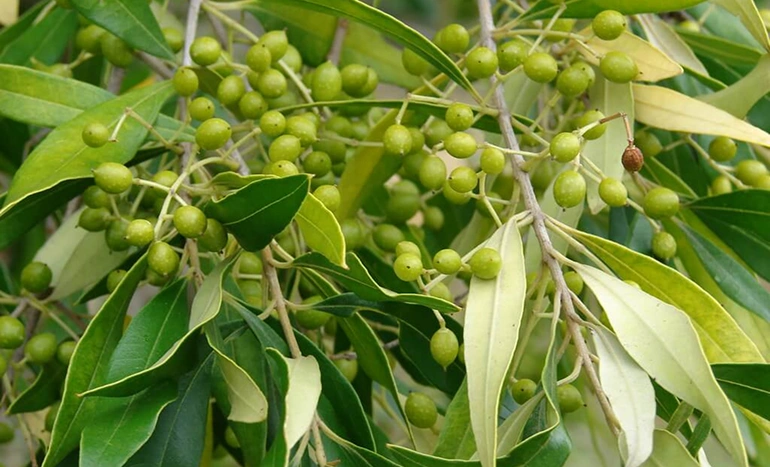
Historical Significance of the Olive Tree
Culinary Delights of the Olive Tree
Sustainable Olive Farming
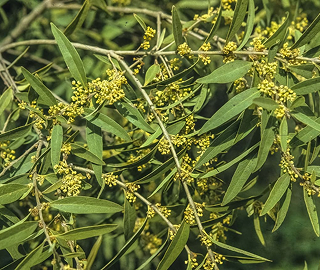
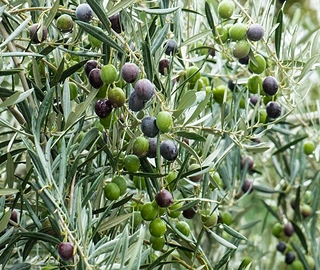
Olive Oil Varieties
Culinary Benefits of Olive Oil
Water Management in Olive Cultivation
Pest Management Strategies
Biodiversity and Olive Trees
Environmental Conservation and Olive Trees
Olive Oil Production
Culinary Uses of Olive Oil
Historical Roots of Olive Trees
Grow Billion Trees Partners
Conclusion
FAQ
What is the historical significance of the olive tree?
The olive tree has been around for over 6,000 years, making it a true Mediterranean superstar. Revered by ancient Greeks, Romans, and Egyptians, it symbolizes peace and prosperity. Think of it as the original celebrity, gracing art and literature while gifting us with delicious olive oil!
01
How does olive oil benefit health?
Olive oil is like liquid gold for your health! Packed with monounsaturated fats and antioxidants, it promotes heart health, supports weight management, and lowers chronic disease risks. It's the secret ingredient for a healthy Mediterranean diet, making your meals tasty and your body happy. Who knew health could taste so good?
02
What are the different types of olive oil?
Olive oil comes in various flavors and qualities, each with its own personality. Extra virgin is the diva, cold-pressed and chemical-free, perfect for dressings and drizzling. Virgin is the reliable friend, while refined is the practical one. Choose your favorite and let the culinary adventures begin!
03
How can olive trees be grown sustainably?
Sustainable olive tree growth is all about keeping the soil happy and the pests at bay. Think organic fertilizers, efficient irrigation, and crop rotation. By embracing eco-friendly practices, we can ensure these ancient trees thrive while preserving the environment. It's a win-win for farmers and Mother Nature alike!
04
What is the environmental impact of olive cultivation?
Olive cultivation can either save the planet or put it in a pickle! Sustainable practices boost biodiversity and soil health, while conventional methods can lead to degradation. By choosing eco-friendly farming, we can enjoy our olive oil guilt-free, knowing we’re helping the Earth. Let’s keep it green while we feast!
05
What role does Grow Billion Trees Partners play in olive cultivation?
Grow Billion Trees Partners is on a mission to make olive trees the heroes of sustainable agriculture. They engage communities, conduct research, and restore lost olive groves. With their help, farmers can embrace eco-friendly practices while boosting local economies. Who knew saving the planet could be so rewarding?
06
How does soil health affect olive tree growth?
Healthy soil is the olive tree's best friend! Rich, well-drained soil nourishes the roots and boosts yields. Regular testing helps identify nutrient needs, while organic fertilizers and cover crops enhance biodiversity. Think of it as a spa day for the soil—happy soil means happy trees!
07
What is integrated pest management (IPM) for olive trees?
IPM is like a superhero for olive trees, fighting pests without the chemical cape. By encouraging beneficial insects and using organic methods, farmers can protect their crops while keeping the environment safe. It's a clever way to keep pests at bay and olive trees thriving!
08
How does water management benefit olive cultivation?
Water management is crucial for healthy olive trees, even though they're drought-resistant. Efficient irrigation systems like drip irrigation help conserve water while ensuring trees get what they need. It’s like giving your trees a refreshing drink without wasting a drop—cheers to that!
09
What are the culinary uses of olive oil?
Olive oil is the versatile star of the kitchen! Use it for dressings, marinades, sautéing, or drizzling over dishes for an instant flavor upgrade. Its rich taste enhances everything from salads to desserts. With olive oil, every meal can be a culinary masterpiece—bon appétit!
10
Why is biodiversity important in olive farming?
Biodiversity is the secret sauce in olive farming! Diverse crops improve soil health, reduce pest pressures, and create a balanced ecosystem. By mixing things up in the orchard, farmers can boost yields and protect the environment. It's all about harmony—like a well-composed symphony of flavors!
11
Your Suggestions
Leave your message and we'll get back to you shortly.