
Birch Tree: Discover the Hidden Benefits and Beauty of Nature's Silver Sentinel
Aadusa Tree - Medicinal Plant

Birch Tree: Discover the Hidden Benefits and Beauty of Nature's Silver

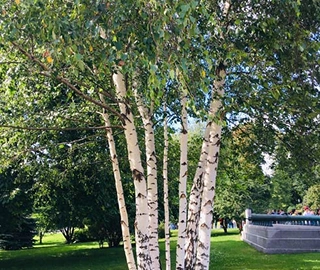
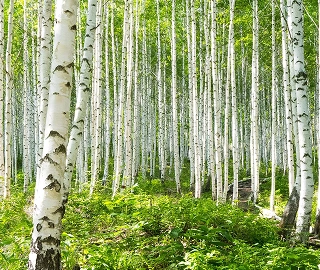
Birch trees, often referred to as nature's silver sentinels, stand tall and proud in forests across the globe. With their striking white bark and delicate leaves, birch trees are not only beautiful but also possess a plethora of hidden benefits that make them a vital component of our ecosystems.

In this blog, we will delve into the wonders of birch trees, exploring their beauty, environmental impact, historical significance, and the various uses they offer. We will also highlight how organizations like Grow Billion Trees Partners are working tirelessly to promote and execute tree-planting projects in regions where birch trees thrive.

The Allure of Birch Trees

Birch trees belong to the genus Betula and are known for their distinctive white bark, which peels away in thin layers. There are over 60 species of birch trees, with the most common being the Silver Birch (Betula pendula), the Paper Birch (Betula papyrifera), and the Yellow Birch (Betula alleghaniensis). These trees can reach heights of 30 to 60 feet and are often found in temperate regions of the Northern Hemisphere.

One of the most striking features of birch trees is their bark. The smooth, white exterior not only makes them aesthetically pleasing but also serves a functional purpose. The bark contains a high concentration of betulin, a compound that has been shown to have anti-inflammatory and antimicrobial properties. This unique characteristic is one of the reasons birch trees are often used in traditional medicine.

Environmental Impact of Birch Trees

Birch trees play a crucial role in maintaining the health of our ecosystems. They are pioneer species, meaning they are among the first to colonize disturbed areas, such as those affected by fire or logging. By establishing themselves in these environments, birch trees help to stabilize the soil and create conditions that allow other plant species to thrive.

Moreover, birch trees are excellent at improving soil quality. Their root systems help to aerate the soil, allowing for better water infiltration and nutrient absorption. Additionally, birch trees have a symbiotic relationship with mycorrhizal fungi, which enhances their ability to absorb nutrients from the soil. This, in turn, benefits other plants in the vicinity, promoting biodiversity.

Birch trees also contribute to carbon sequestration, a critical process in combating climate change. According to a study published in the journal Forest Ecology and Management, birch trees can sequester significant amounts of carbon dioxide, helping to mitigate the effects of greenhouse gas emissions. This makes them an essential ally in the fight against climate change.

Historical Significance of Birch Trees

Throughout history, birch trees have held a special place in various cultures and traditions. Indigenous peoples of North America have long revered birch trees for their versatility. The bark was used to create canoes, baskets, and even writing materials, while the sap was harvested in the spring for its sweet taste. Birch trees were seen as symbols of renewal and resilience, embodying the spirit of survival in harsh environments.

In Europe, birch trees have been associated with various folklore and traditions. In ancient times, the Celts believed that birch trees were sacred and represented new beginnings. They would often use birch branches in rituals and celebrations, symbolizing purification and protection. This deep-rooted connection to birch trees highlights their significance in human culture and the natural world.

Hidden Benefits of Birch Trees

  • Medicinal Uses: Birch bark and sap have been used in traditional medicine to treat various ailments, including arthritis, skin conditions, and respiratory issues.
  • Wildlife Habitat: Birch trees provide habitat and food for various wildlife species.
  • Ornamental Value: Due to their striking appearance, birch trees are popular choices for landscaping.
  • Timber Production: Birch wood is highly valued for its strength and durability.
  • Natural Pest Control: Birch trees can help repel certain pests due to their natural oils.

Fun Facts About Birch Trees

Did you know that birch trees are often referred to as "the trees of the moon"? This nickname comes from their pale bark and the way they glow in the moonlight.
- Birch trees can live for up to 100 years.
- The sap can be harvested in the spring and used to make syrup.
- Birch trees grow rapidly, making them ideal for reforestation projects.
- In some cultures, birch trees are believed to bring good luck.
- Their leaves turn vibrant yellow in fall, adding seasonal beauty.

Grow Billion Trees Partners: Promoting Birch Tree Planting

As the importance of trees in combating climate change and preserving biodiversity becomes increasingly recognized, organizations like Grow Billion Trees Partners are stepping up to make a difference. This initiative focuses on planting a billion trees globally, with a strong emphasis on native species, including birch trees.

Grow Billion Trees Partners executes its projects through collaboration with local communities, governments, and environmental organizations. By engaging local stakeholders, they ensure sustainability and long-term environmental benefits.

Conclusion

Birch trees are truly wonders of nature, offering benefits that extend far beyond their beauty. From improving soil quality and providing wildlife habitat to their historical significance and medicinal uses, birch trees deserve our admiration and protection.

As we face climate change challenges, initiatives like Grow Billion Trees Partners remind us of the power of trees in healing our planet. Let us celebrate the hidden wonders of birch trees and join the movement to plant more, ensuring these magnificent sentinels continue to grace our landscapes for years to come.

Aadusa Tree Leaves - Medicinal Properties
Aadusa Tree Plantation

Tree Care

If trees had feelings, they’d definitely appreciate a little TLC. Tree care involves everything from watering to pruning, ensuring that your leafy friends thrive and don’t end up looking like a sad stick in the ground. Think of it as a spa day for trees—only instead of cucumber slices, you’re giving them nutrients and a good trim. Regular maintenance not only keeps them healthy but also enhances your landscape, making your yard the envy of the neighborhood. So, grab those shears and channel your inner arborist!

Tree Identification

Ever find yourself staring at a tree and thinking, “What on earth are you?” Tree identification is like a game of botanical charades where you guess the species based on leaves, bark, and other clues. With a little practice, you’ll be able to impress friends with your knowledge of oaks, maples, and the elusive weeping willow. Plus, knowing your trees can help you understand their needs better, ensuring they get the right care and attention—because every tree deserves its moment in the spotlight.

Tree Planting

Planting a tree is like giving a gift to the future, and who doesn’t love a good surprise? Tree planting involves choosing the right species for your space, digging a hole (not too deep, please!), and giving your new green friend a cozy home. It’s a magical moment when you place that sapling in the ground, envisioning it growing tall and strong. Plus, you’ll be doing your part for the environment, fighting climate change, and making the world a tad greener—one tree at a time!

Tree Pruning

Ah, the art of tree pruning—where the goal is to make your tree look fabulous without giving it a complex. Pruning is essential for maintaining a tree’s health and shape, removing dead or diseased branches while promoting new growth. It’s like giving your tree a stylish haircut, ensuring it doesn’t end up looking like a wild bush. With the right techniques, you can encourage better air circulation and sunlight penetration, ultimately making your tree the belle of the botanical ball.

Tree Diseases

Just like humans, trees can get sick, and nobody wants to see their leafy friend in distress. Tree diseases can range from fungal infections to pests that think your tree is their new home. Understanding the common ailments that plague trees is crucial for early detection and treatment. Think of yourself as a tree doctor, diagnosing issues and prescribing remedies. With a little vigilance, you can keep your trees healthy and thriving, ensuring they don’t succumb to the dreaded “tree flu.”

Tree Roots

The unsung heroes of the tree world, roots are like the tree’s underground support system. They anchor the tree, absorb water and nutrients, and even communicate with other plants through a vast network. Understanding tree roots is essential for anyone looking to plant or care for trees. Just remember, a strong root system leads to a flourishing tree above ground. So, while you admire the branches swaying in the breeze, don’t forget to give a nod to the hardworking roots keeping everything grounded.

Tree Types

With thousands of tree species out there, choosing the right one can feel like shopping for shoes—so many options, and one wrong choice can lead to a painful experience! Tree types vary in size, shape, and function, from majestic oaks to delicate cherry blossoms. Knowing which tree suits your environment and aesthetic preferences can make a world of difference in your landscape. So, channel your inner tree connoisseur and select wisely; after all, you wouldn’t want to wear flip-flops to a winter party, would you?

Tree Benefits

When you sit under a tree, you’re not just lounging; you’re soaking up all the perks! Trees provide shade, purify air, reduce heat, and create habitats for wildlife. They also boost your mood, increase property value, and help combat climate change by absorbing carbon dioxide. Truly, trees are nature’s best gift to humanity.

Tree Growth

Watching a tree grow is like witnessing a slow-motion miracle. Tree growth is influenced by various factors, including species, soil quality, and weather conditions. Trees can take years to reach their full height, so patience is key. With proper care, you’ll see your tree flourish, adding beauty and value to your property. So, grab a chair, sit back, and enjoy the show as your tree transforms from a tiny sapling into a towering giant.

Tree Removal

Sometimes, despite your best efforts, a tree just doesn’t fit into your plans anymore. Tree removal is the last resort when a tree becomes hazardous or unhealthy. It’s a bit like breaking up with a tree—hard to do, but sometimes necessary for the greater good. Professional tree removal services ensure that the process is safe and efficient, leaving your yard ready for a new beginning. Just remember, once a tree is gone, there’s no turning back, so make sure it’s the right decision!

Tree Mulching

Think of tree mulching as a cozy blanket for your tree’s roots. Mulch helps retain moisture, suppress weeds, and regulate soil temperature, making it a must-have for tree care. Applying a layer of mulch is like giving your tree a warm hug, ensuring it stays comfortable and healthy. Plus, it adds a polished look to your landscape, making your garden the envy of the block. So, grab that mulch and give your tree the love it deserves; it’s a win-win for both of you!

FAQs

What makes birch trees so special?

Birch trees are the elegant sentinels of nature, boasting striking white bark and delicate leaves. They’re not just pretty faces; they support biodiversity, improve soil health, and even help combat climate change. Talk about multitasking!

How do birch trees support biodiversity?

Birch trees create unique microhabitats that are like five-star hotels for wildlife. Their bark, leaves, and seeds are buffet-style meals for various species, from butterflies to woodpeckers. A birch tree is basically a wildlife sanctuary in disguise!

Can birch trees improve soil health?

Absolutely! Birch trees are nature's soil superheroes. Their root systems prevent erosion, while their fallen leaves decompose and enrich the soil, making it a nutrient-rich paradise for other plants. Who knew birches could be such great gardeners!

How do birch trees contribute to carbon sequestration?

Birch trees are climate warriors, absorbing up to 48 pounds of carbon dioxide annually. Their rapid growth makes them efficient carbon-capturing machines, helping to reduce greenhouse gases while looking fabulous in the process!

What medicinal uses do birch trees have?

Birch bark and sap have been used in folk medicine for ages. With anti-inflammatory and diuretic properties, birch bark is like nature's pharmacy, while birch sap is a nutrient-rich health tonic. Who needs a potion when you have birch!

What are some culinary uses of birch trees?

Birch sap, often dubbed "birch water," is a refreshing, low-calorie drink packed with vitamins and minerals. Plus, birch bark can be transformed into natural sweeteners like xylitol. Sweetness never looked so good!

Why are birch trees culturally significant?

Birch trees have deep roots in various cultures, symbolizing renewal and resilience. Indigenous peoples used them for canoes and shelters, while artists and poets have celebrated their beauty. Birch trees are not just trees; they’re cultural icons!

What threats do birch populations face?

Birch trees are under siege from climate change, invasive pests like the bronze birch borer, and habitat loss. Urbanization is like a bad breakup for birch trees, leaving them vulnerable and in need of protection.

How do organizations like Grow Billion Trees Partners help birch trees?

Grow Billion Trees Partners are the birch tree champions! They focus on reforestation and community engagement, ensuring that birch populations thrive. With their help, birches can continue to grace our landscapes for generations to come.

What are some fun facts about birch trees?

Birch trees come in over 60 varieties, each with its unique flair. They’re fast growers, reaching up to 50 feet in just a few years, and their seasonal beauty is nothing short of breathtaking. Birch trees are nature’s show-offs!

How can I get involved in birch tree conservation?

Getting involved is easier than you think! You can plant birch trees, support organizations like Grow Billion Trees Partners, or even spread the word about their benefits. Every little effort counts in protecting these silver sentinels of the forest!

logo
back top