


Capirona Tree
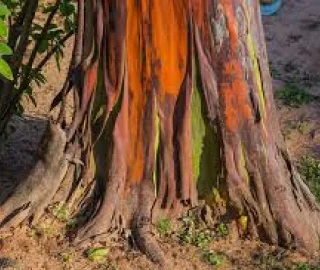
Capirona Tree: The Ultimate Guide to Its Benefits, Uses, and Care Tips

Botanical Profile of the Capirona Tree
- Scientific Name: Calycophyllum spruceanum
- Family: Rubiaceae
- Native Region: Tropical South America (Brazil, Peru, Colombia)
- Common Names: Capirona, Pau Mulato
Historical Background
Scientific Benefits of Capirona
- Medicinal Properties: Bark and leaves contain anti-inflammatory, antifungal, and antibacterial compounds
- Carbon Sequestration: Mature trees can sequester up to 22 kg of CO2 per year
- Soil Improvement: Deep root system prevents erosion and enriches soil with organic matter
- Respiratory Health: Traditional use for treating respiratory issues
- Skin Treatment: Effective against various skin infections and diseases
Fun Facts About the Capirona Tree
- Impressive Size: Grows up to 30 meters tall with 60 cm trunk diameter
- Stunning Blooms: Yellow flowers bloom in dry season, attracting pollinators
- Durable Wood: Highly valued for resistance to decay and durability
- Fast Growth: Rapid growth rate makes it ideal for reforestation
- Traditional Medicine: Centuries of use in indigenous healing practices
Environmental Impact
- Soil Stabilization: Prevents erosion with deep root system
- Wildlife Habitat: Provides shelter for various species
- Pollinator Support: Flowers attract bees and butterflies
- Carbon Offset: Significant carbon sequestration capabilities
- Biodiversity Enhancement: Contributes to ecosystem health
How to Grow and Care for Capirona Trees
- Soil Requirements: Well-draining soil rich in organic matter, pH 6.0-7.5
- Sunlight: At least 6 hours of direct sunlight daily
- Watering: Regular watering for young trees, drought-tolerant when established
- Pruning: Regular pruning maintains shape and promotes healthy growth
- Pest Management: Watch for aphids and scale insects, use organic solutions
Uses of Capirona Trees
- Ornamental Uses: Stunning yellow flowers perfect for parks and gardens
- Timber Production: Durable wood for furniture and construction
- Medicinal Applications: Traditional remedies from bark and leaves
- Environmental Restoration: Ideal for reforestation projects
- Carbon Farming: Effective in carbon offset programs
How Grow Billion Trees Promotes Capirona Tree Plantations
- Community Partnerships: Collaborating with local communities for sustainable planting
- Educational Workshops: Teaching proper planting techniques and tree care
- Policy Development: Working with governments to support reforestation
- Environmental Education: Raising awareness about Capirona's benefits
- Sustainability Culture: Fostering environmental responsibility
Why Plant a Capirona Tree?
- Multiple Benefits: Medicinal, environmental, and practical uses
- Climate Action: Significant carbon sequestration capacity
- Soil Health: Improves soil quality and prevents erosion
- Biodiversity Support: Provides habitat for wildlife
- Sustainable Resource: Durable wood and traditional medicine source
Final Thought

Capirona Tree Benefits
Medicinal Uses of Capirona
Growing Capirona Trees
Environmental Impact of Capirona
Capirona Tree Care Tips
Ornamental Uses of Capirona
Capirona Wood Quality
Community Engagement with Capirona
Capirona Tree History
Capirona Tree Pollinators
Capirona Tree Ecosystem
FAQ
What is the Capirona tree?
The Capirona tree, scientifically known as Tabebuia impetiginosa, is native to South America and celebrated for its vibrant yellow flowers and impressive height. It offers medicinal benefits and plays a vital role in the ecosystem.
01
What are the medicinal benefits of the Capirona tree?
Its bark and leaves have anti-inflammatory, antifungal, and antibacterial properties. Traditionally used by indigenous cultures to treat skin infections and respiratory issues.
02
How tall can the Capirona tree grow?
The Capirona tree can grow up to 30 meters tall, with a trunk diameter of about 60 cm. A true giant of nature!
03
Where is the Capirona tree native to?
Native to tropical and subtropical regions of South America, especially Brazil, Peru, and Colombia, thriving in warm climates.
04
How does the Capirona tree help the environment?
It sequesters carbon, improves soil quality, prevents erosion, and provides flowers for pollinators. Planting one supports biodiversity and climate health.
05
What soil does the Capirona tree need?
Prefers well-draining, organic-rich soil with pH 6.0–7.5. Compost-enriched soil ensures robust growth and nutrient supply.
06
How much sunlight do Capirona trees need?
Full sun is ideal. A sunny spot ensures healthy, vigorous growth for this tropical beauty.
07
How often should Capirona trees be watered?
Young trees need regular watering; mature trees are more drought-tolerant. Provide water during prolonged dry periods.
08
What pests affect Capirona trees?
Common pests include aphids and scale insects. Organic insecticidal soap can keep them under control.
09
How can Capirona trees be used?
They are ornamental, provide durable timber, and their bark and leaves have medicinal uses—versatile and environmentally valuable.
10
What initiatives support Capirona tree planting?
Organizations like Grow Billion Trees promote planting through community workshops and training, emphasizing sustainability and reforestation.
11
Your Suggestions
Leave your message and we'll get back to you shortly.