

Snakewood Tree
Snakewood Tree: The Enigmatic Wonder of Nature That Will Leave You Spellbound
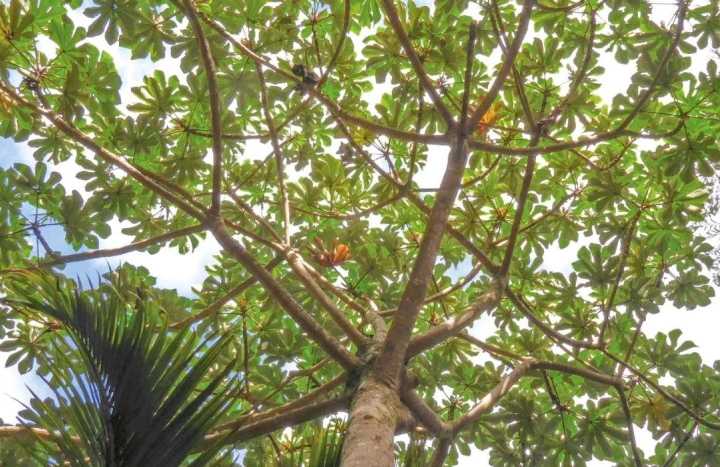
Snakewood Tree: The Enigmatic Wonder of Nature That Will Leave You Spellbound
Scientific Characteristics of the Snakewood Tree
Historical Significance
Environmental Impact
Fun Facts About Snakewood
Conservation Efforts and Sustainable Practices
Conclusion
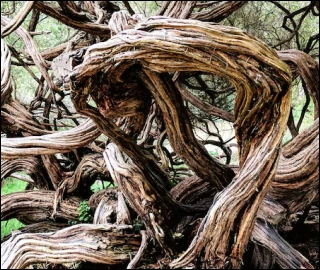
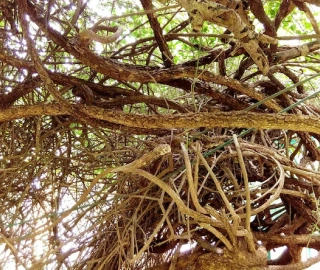
Snakewood Tree: Nature’s Rare and Luxurious Treasure
Sustainable Forestry
Historical Uses
Environmental Impact
Unique Grain Patterns
Medicinal Properties
Community Engagement
Education and Training
Monitoring and Evaluation
Partnerships
Conservation Awareness
FAQs
What is the Snakewood tree?
The Snakewood tree (Dalbergia retusa) is a rare gem from South America, known for its striking serpentine grain and rich reddish-brown hue. It's prized by woodworkers and nature enthusiasts alike for fine craftsmanship and musical instruments.
Where does the Snakewood tree grow?
Native to tropical regions of Guyana and Suriname, Snakewood thrives in warm, humid climates. Its limited geographical distribution adds to its rarity and value in the woodworking world.
Why is Snakewood so valuable?
Its unique grain pattern and high density make Snakewood highly sought after. Slow growth and overharvesting increase its rarity, making it a prized material for collectors and artisans.
What are the scientific characteristics of the Snakewood tree?
As a member of the Fabaceae family, Snakewood grows 15–20 meters tall with a dense crown. Its compound glossy leaves and heavy, durable wood make it a standout species in its ecosystem.
How has Snakewood been used historically?
Indigenous peoples used Snakewood for tools and ceremonial items. European colonizers prized it for furniture and billiard cues. Its history reflects versatility and enduring appeal.
What environmental role does the Snakewood tree play?
Being leguminous, Snakewood enriches soil through nitrogen fixation, supports biodiversity, and sustains wildlife, making it essential for healthy ecosystems.
What makes Snakewood's grain pattern unique?
Its wavy, serpentine grain resembles snake scales, creating a visually stunning and one-of-a-kind wood for artisans and collectors.
Are there any medicinal properties associated with Snakewood?
Some indigenous cultures have used Snakewood for medicinal purposes, highlighting its multifaceted significance beyond woodworking.
What conservation efforts are in place for Snakewood?
Organizations like Grow Billion Trees Partners promote sustainable forestry, engage communities, and implement reforestation projects to protect Snakewood and its ecosystem.
How can I support Snakewood conservation?
You can help by spreading awareness, planting trees, supporting eco-friendly initiatives, and adopting sustainable gardening practices to protect Snakewood and its habitat.
What is the future outlook for the Snakewood tree?
With conservation efforts and sustainable practices, Snakewood’s future looks promising, ensuring this enchanting species continues to thrive for generations to come.
Your Suggestions
Leave your message and we'll get back to you shortly.