

Guggal Tree: An Ecological Hero of Arid Landscapes
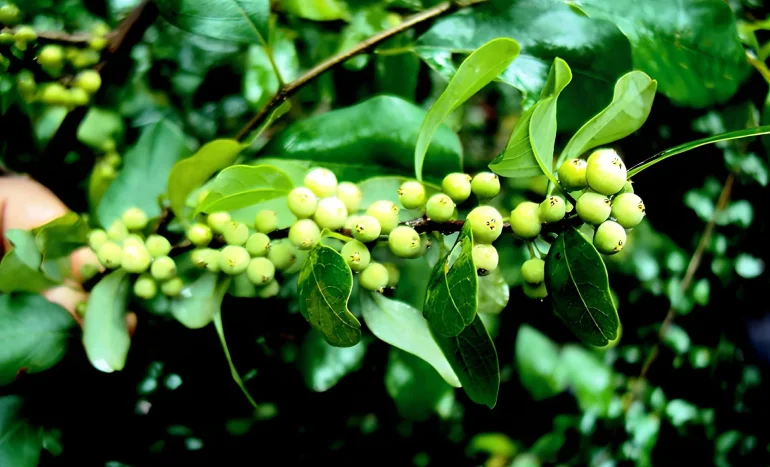
The Guggal tree, known for its aromatic resin and medicinal properties, holds a significant place in various ecosystems. This remarkable tree not only provides essential resources but also plays a vital role in the cultural practices and economies of the regions it inhabits.
Botanical Marvel
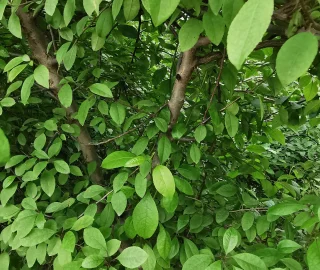
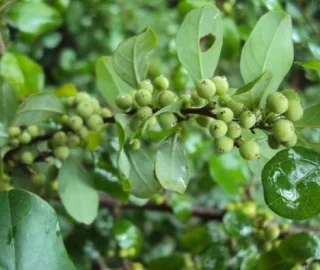
The Guggal tree, scientifically named Commiphora wightii, is a small, thorny shrub that thrives in arid environments. Its distinct yellow flowers and gnarled branches contribute to its unique appearance, making it an integral part of the desert landscape.
Cultural Symbolism
In many cultures, the Guggal tree is revered for its sacred resin, known as "guggul." Used in traditional rituals and Ayurveda, it symbolizes healing and purification, reflecting the deep spiritual connections people have with this tree.
Ecological Keystone
The Guggal tree plays an essential ecological role in desert ecosystems. Its deep root system helps combat soil erosion, while its foliage provides habitat and food for various wildlife, supporting biodiversity in challenging environments.
Versatile Uses
The resin of the Guggal tree is well-known for its medicinal properties, often used in Ayurvedic medicine to treat various ailments. Additionally, its wood is durable and suitable for making furniture and crafts, showcasing the tree’s multifunctional nature.
Economic Importance
Guggal cultivation has significant economic value, particularly in traditional medicine markets. The harvesting and sale of guggul resin create income opportunities for local communities, fostering sustainable livelihoods.
Traditional Knowledge
Indigenous knowledge surrounding the Guggal tree has been passed down through generations. This wisdom encompasses sustainable harvesting practices and traditional medicinal applications, highlighting the importance of preserving this cultural heritage.
Environmental Sustainability
Sustainable practices in the cultivation of Guggal trees are crucial for maintaining ecological balance. Efforts to promote agroforestry and sustainable harvesting techniques ensure the long-term viability of this valuable resource.
Challenges and Opportunities
Despite its resilience, the Guggal tree faces challenges such as overharvesting and habitat loss. However, these challenges also present opportunities for innovation in sustainable practices and conservation efforts that can enhance its future prospects.
Community Empowerment
Supporting local communities in Guggal cultivation and resin production is vital for economic development. Training and resources can empower farmers to improve their practices, leading to better yields and economic stability.
Climate Resilience
The Guggal tree’s adaptability to harsh conditions makes it a valuable asset in climate resilience strategies. Planting these trees can enhance soil quality, mitigate erosion, and contribute to the restoration of degraded landscapes.
Consumer Awareness
Educating consumers about the benefits of Guggal and its sustainable sourcing can promote responsible consumption. Increased awareness can drive demand for sustainably harvested products, benefiting both communities and ecosystems.
Global Collaboration
Addressing the challenges facing the Guggal industry requires collaboration among various stakeholders. Partnerships between governments, NGOs, and local communities can promote sustainable practices and ensure the conservation of this valuable tree.
Conclusion
The Guggal tree stands as a testament to resilience, sustainability, and cultural significance. From its medicinal properties to its economic contributions and ecological value, the Guggal tree exemplifies the harmonious relationship between humans and nature. By supporting sustainable practices and empowering communities, we can ensure the enduring benefits of the Guggal tree for future generations.
Your Suggestions
Leave your message and we'll get back to you shortly.