


Eucalyptus Tree
Eucalyptus Tree: Aromatic Canopy and Eco-Friendly Marvel
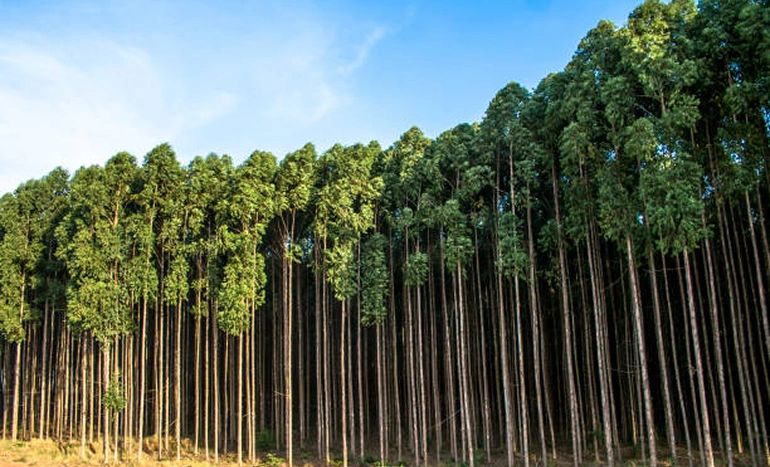
Common Name and Scientific Name
Description
Habitat and Distribution
Cultural and Historical Significance
Symbolism and Traditional Uses
Conservation and Sustainable Practices
In Conclusion
Eucalyptus Tree Facts
Eucalyptus Tree Care
Eucalyptus Tree Pruning
Eucalyptus Tree Species
Eucalyptus Tree Medicinal Uses
Eucalyptus Tree Symbolism
Eucalyptus Tree Habitat
Eucalyptus Tree Timber Uses
Eucalyptus Tree Flowering Season
Eucalyptus Tree Growth Rate
Eucalyptus Tree Invasive Potential
Eucalyptus Tree Conservation
Eucalyptus Tree Leaf Characteristics
Eucalyptus Tree Root System
Eucalyptus Tree Drought Tolerance
Eucalyptus Tree Flower Anatomy
Eucalyptus Tree Soil Requirements
Eucalyptus Tree Pest and Disease Management
Eucalyptus Tree Root Pruning
Eucalyptus Tree Landscape Design
FAQ
What is an Eucalyptus tree?
The Eucalyptus tree, also known as the gum tree, is a diverse genus of flowering trees and shrubs in the myrtle family, Myrtaceae. Renowned for their aromatic leaves and tall, straight trunks, Eucalyptus trees are native to Australia but are cultivated worldwide for various purposes.
01
Where are Eucalyptus trees commonly found?
Eucalyptus trees are native to Australia but are commonly found in many parts of the world with suitable climates, including Mediterranean, tropical, and subtropical regions. They thrive in areas with full sunlight and well-drained soil.
02
What are the characteristics of Eucalyptus trees?
Eucalyptus trees are characterized by their distinctive aroma, lance-shaped leaves, and smooth, often colorful bark. They vary in size from small shrubs to towering giants, with some species reaching heights of over 300 feet (91 meters).
03
How tall do Eucalyptus trees grow?
Eucalyptus trees can vary widely in height depending on the species and growing conditions. Some species remain relatively small, while others, such as the Eucalyptus regnans, or Mountain Ash, are among the tallest trees in the world, reaching heights of over 300 feet (91 meters).
04
What is the scientific name of the Eucalyptus tree?
The genus name for Eucalyptus trees is Eucalyptus, with over 700 species identified. They belong to the family Myrtaceae and are known for their diverse range of foliage, flowers, and bark characteristics.
05
When do Eucalyptus trees bloom?
The flowering time of Eucalyptus trees varies depending on the species and climate. In general, they produce flowers in late winter to early spring, although some species may bloom at other times of the year.
06
How to care for Eucalyptus trees?
To care for Eucalyptus trees, plant them in well-draining soil in a location with full sunlight. Provide regular watering, especially during dry periods, and mulch around the base of the tree to retain moisture and suppress weeds. Prune as needed to maintain shape and remove dead or damaged branches.
07
What are the benefits of planting Eucalyptus trees?
Planting Eucalyptus trees offers several benefits, including providing shade, windbreaks, and habitat for wildlife. They are also valued for their fast growth rate, aromatic foliage, and potential use in timber production, essential oils, and medicinal purposes.
08
Are Eucalyptus trees suitable for urban environments?
Yes, Eucalyptus trees are well-suited for urban environments due to their tolerance of pollution and ability to thrive in various soil types. However, some species may produce litter or be susceptible to pests and diseases, so careful selection and maintenance are important.
09
How to propagate Eucalyptus trees?
Eucalyptus trees can be propagated from seeds or cuttings. Collect mature seeds from the tree during the fruiting season and sow them in trays filled with seed-raising mix. Alternatively, take semi-hardwood cuttings from healthy, mature trees and root them in a well-draining rooting medium.
10
What are the common pests and diseases affecting Eucalyptus trees?
Common pests and diseases affecting Eucalyptus trees include psyllids, gall wasps, and fungal infections like powdery mildew and eucalyptus rust. Regular monitoring, proper sanitation, and timely application of insecticides or fungicides can help manage these issues effectively.
11
Can Eucalyptus trees tolerate drought?
Yes, many Eucalyptus species have excellent drought tolerance once established. Their deep root systems allow them to access water from deeper soil layers, making them resilient to dry conditions. However, young trees may require regular watering until they become established.
12
How long does it take for an Eucalyptus tree to mature?
The time it takes for an Eucalyptus tree to mature varies depending on the species and growing conditions. In general, Eucalyptus trees are fast-growing and can reach maturity within 10 to 20 years, although some species may take longer.
13
Are Eucalyptus trees deciduous?
Most Eucalyptus species are evergreen, meaning they retain their leaves year-round. However, some species may shed their leaves in response to environmental stress or as part of their natural growth cycle.
14
Can Eucalyptus trees be grown in pots?
Yes, Eucalyptus trees can be grown in pots, provided they have sufficient space, sunlight, and well-draining soil. Choose a large container with drainage holes and use a potting mix formulated for container plants.
15
What is the significance of Eucalyptus trees in landscaping?
Eucalyptus trees are prized in landscaping for their attractive foliage, aromatic leaves, and tolerance of harsh environmental conditions. They are often used as focal points, windbreaks, or screening plants in gardens, parks, and public spaces.
16
Are Eucalyptus trees invasive?
Some Eucalyptus species have the potential to become invasive in certain regions, particularly where they are introduced outside of their native range. Their fast growth rate, prolific seed production, and allelopathic properties can disrupt native ecosystems and outcompete indigenous vegetation.
17
How do you prune an Eucalyptus tree?
Prune Eucalyptus trees in late winter or early spring to remove dead or diseased branches, improve air circulation, and maintain shape. Use clean, sharp pruning tools and make cuts at a slight angle just outside the branch collar to promote rapid healing and minimize the risk of disease.
18
What is the lifespan of an Eucalyptus tree?
The lifespan of an Eucalyptus tree varies depending on the species, growing conditions, and management practices. In general, Eucalyptus trees can live for several decades to over a century, with some of the oldest specimens recorded reaching ages of 400 years or more.
19
Are Eucalyptus trees protected species?
Eucalyptus trees are not protected species in most regions, although some species may be listed as threatened or endangered due to habitat loss, invasive species, or other factors. Conservation efforts may focus on preserving native Eucalyptus ecosystems and genetic diversity.
20
Your Suggestions
Leave your message and we'll get back to you shortly.