

Indian Elm Tree: The Ultimate Guide to Its Beauty, Benefits, and Care
Indian Elm Tree

The Indian Elm Tree, scientifically known as Ulmus rubra, is a majestic species that has captured the hearts of gardeners and environmentalists alike.

Known for its beautiful foliage, impressive height, and resilience, this tree is not just a stunning addition to any garden but also offers numerous ecological benefits.

In this comprehensive guide, we will explore the beauty, benefits, and care tips for the Indian Elm Tree, along with its historical significance and environmental impact. Additionally, we will discuss how organizations like Grow Billion Trees are playing a pivotal role in promoting tree planting initiatives in various regions.

The Beauty of the Indian Elm Tree

The Indian Elm Tree is a deciduous tree that can grow up to 50-60 feet tall with a spread of 30-40 feet. It has a straight trunk with a diameter of about 1 meter (3.3 feet) and a dense canopy of glossy, dark green leaves.

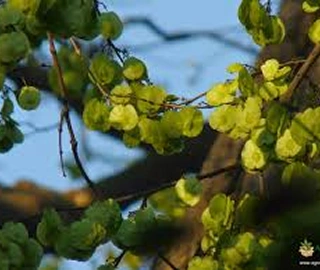
Its graceful arching branches and dense canopy provide ample shade, making it a perfect choice for parks, gardens, and urban areas. The leaves are serrated, dark green, and turn a brilliant yellow in the fall, creating a stunning visual display.

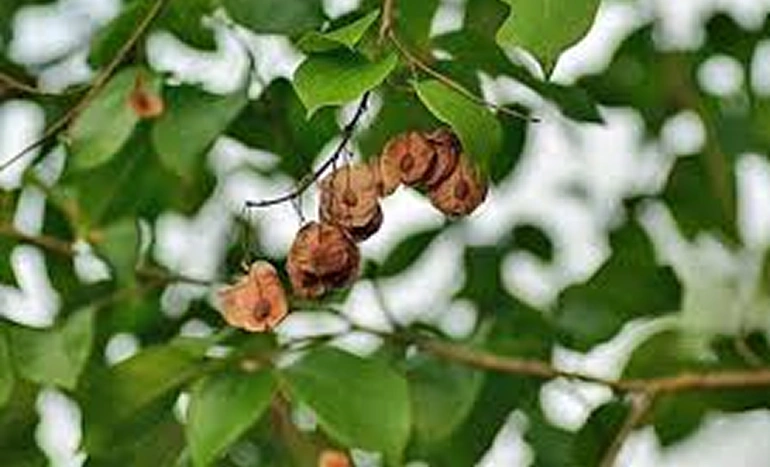
One of the most striking features of the Indian Elm is its bark, which is rough and grayish-brown, adding texture and interest to the landscape. In spring, small, inconspicuous flowers bloom, followed by clusters of winged seeds that attract various bird species, making it a haven for wildlife.

Benefits of Planting Indian Elm Trees

Planting Indian Elm Trees comes with a plethora of benefits:

Environmental Benefits: Indian Elm Trees are excellent at carbon sequestration, absorbing carbon dioxide from the atmosphere and releasing oxygen. This process helps combat climate change and improves air quality.

Soil Erosion Control: The extensive root system of the Indian Elm helps prevent soil erosion, making it a valuable addition to landscapes prone to runoff.

Wildlife Habitat: The tree provides shelter and food for various birds and insects, contributing to biodiversity.

Shade Provider: With its broad canopy, the Indian Elm offers shade, reducing the need for air conditioning in nearby structures and lowering energy costs.

Ornamental Value: The aesthetic appeal of the Indian Elm makes it a desirable choice for landscaping, enhancing the beauty of gardens and public spaces.

Historical Significance of Indian Elm Trees

The Indian Elm has a rich history that dates back centuries. Traditionally, it was revered in many cultures for its strength and durability.

The wood of the Indian Elm is known for its resistance to decay, making it an excellent choice for furniture and construction. In ancient times, it was often used to build boats and other structures that required robust materials.

In addition to its practical uses, the Indian Elm has also found a place in folklore and traditional medicine. Various parts of the tree have been used in herbal remedies, showcasing its importance in cultural practices. Its historical significance is a testament to the tree's versatility and value throughout the ages.

Environmental Impact of Indian Elm Trees

Beyond their beauty and utility, Indian Elm Trees play a crucial role in maintaining ecological balance. They contribute to the health of urban ecosystems by improving air quality and providing habitat for wildlife. Studies have shown that urban areas with a higher density of trees experience lower temperatures, reducing the urban heat island effect.

Moreover, Indian Elm Trees are known for their resistance to pests and diseases, making them a sustainable choice for landscaping. Their adaptability to various soil types and climatic conditions further enhances their role in promoting biodiversity and ecological resilience.

Care Tips for Growing Indian Elm Trees

If you're considering adding an Indian Elm Tree to your garden, here are some essential care tips to ensure its healthy growth:

Soil Requirements: Indian Elm Trees thrive in well-drained soil. While they are adaptable to different soil types, they prefer loamy or sandy soils rich in organic matter.

Sunlight: These trees require full sun to partial shade. Ideally, they should receive at least 6 hours of direct sunlight each day to promote healthy growth.

Watering: Young Indian Elm Trees need regular watering, especially during dry spells. Once established, they are relatively drought-tolerant but still benefit from occasional watering during prolonged dry periods.

Fertilization: Applying a balanced fertilizer in early spring can help promote vigorous growth. However, avoid over-fertilizing, as this can lead to weak growth.

Pruning: Regular pruning helps maintain the tree's shape and encourages healthy growth. Remove any dead or diseased branches to prevent the spread of pests and diseases.

Pest and Disease Management: While Indian Elm Trees are generally resistant to pests, keep an eye out for common tree pests like aphids and elm leaf beetles. Implementing natural pest control methods can help manage these issues effectively.

Fun Facts about Indian Elm Trees

  • Indian Elm Trees can live for over 100 years, making them a long-term investment for your garden.
  • The tree is known for its unique ability to tolerate urban pollution, making it an ideal choice for city landscaping.
  • Indian Elm Trees can grow up to 2 feet per year under optimal conditions, making them a fast-growing option for those looking to establish shade quickly.
  • The leaves of the Indian Elm are not only beautiful but also provide essential food for various caterpillars, supporting local butterfly populations.
  • The wood of the Indian Elm Tree is lightweight and is used in making furniture and crafts.

Grow Billion Trees: Partners in Environmental Sustainability

Organizations like Grow Billion Trees are at the forefront of promoting tree planting initiatives across various regions. Their mission is to combat climate change and enhance biodiversity through large-scale tree planting projects.

By partnering with local communities, schools, and businesses, Grow Billion Trees aims to plant billions of trees globally, including the Indian Elm Tree.

Grow Billion Trees executes its projects by:

Community Engagement: They involve local communities in tree planting efforts, educating them about the importance of trees and how they contribute to a healthier environment.

Collaboration with Experts: Collaborating with environmental scientists and horticulturists ensures that the right species, including Indian Elm Trees, are selected for planting in suitable locations.

Awareness Campaigns: Through various awareness campaigns, they promote the ecological benefits of trees, encouraging more individuals to participate in tree planting initiatives.

Monitoring and Maintenance: After planting, Grow Billion Trees ensures that the young trees are monitored and maintained, increasing their survival rates and long-term success.

By supporting organizations like Grow Billion Trees, you can contribute to a greener planet while enjoying the beauty and benefits of trees like the Indian Elm in your own garden.

Conclusion

The Indian Elm Tree is more than just a beautiful addition to your garden; it is a vital component of our ecosystem. With its numerous benefits, historical significance, and ease of care, it is an excellent choice for both novice and experienced gardeners.

By planting Indian Elm Trees and supporting initiatives like Grow Billion Trees, we can work together to create a sustainable future for generations to come. So why not consider adding this magnificent tree to your garden and join the movement towards a greener planet?

Indian Cork Fig Fruits
Indian Cork Fig Tree

FAQ

What is the Indian Elm Tree?

The Indian Elm Tree, scientifically known as Ulmus rubra, is a majestic deciduous tree that can reach heights of 50-60 feet. With its graceful arching branches and dense canopy, it's not just a pretty sight; it also plays a vital role in local ecology and landscaping.

01

What are the benefits of planting Indian Elm Trees?

Planting Indian Elm Trees offers numerous perks, from carbon sequestration to providing shade. They help prevent soil erosion, support biodiversity, and enhance your landscape's aesthetics. Plus, they lower energy costs by keeping nearby structures cool. Who wouldn't want that?

02

How tall do Indian Elm Trees grow?

Indian Elm Trees can grow up to a towering 50-60 feet tall with a spread of 30-40 feet. That's plenty of height for a tree that not only beautifies your garden but also provides ample shade and a home for various wildlife. Talk about a multi-tasker!

03

What type of soil do Indian Elm Trees prefer?

Indian Elm Trees thrive in well-drained soil, ideally loamy or sandy with organic matter. They're adaptable, but give them the good stuff, and they'll reward you with robust growth and stunning foliage. Your garden will thank you!

04

How much sunlight do Indian Elm Trees need?

Indian Elm Trees love to bask in the sun! They thrive in full sun to partial shade, requiring at least six hours of direct sunlight daily. So, make sure you plant them in a spot that lets them soak up those sun rays!

05

How often should I water Indian Elm Trees?

Young Indian Elm Trees need regular watering, especially during dry spells. Once established, they're drought-tolerant but still appreciate a drink during prolonged dry periods. Think of it as giving your tree a refreshing spa day—everyone loves a good soak!

06

What kind of fertilizer do Indian Elm Trees need?

A balanced fertilizer in early spring is the way to go for Indian Elm Trees. Just remember, moderation is key! Over-fertilizing can lead to weak growth. Think of it as feeding your tree a nutritious breakfast without overdoing the pancakes!

07

How do I prune Indian Elm Trees?

Regular pruning is essential for maintaining the shape and health of Indian Elm Trees. Trim off dead or diseased branches to keep pests at bay. It's like a haircut for your tree—necessary for looking good and feeling great!

08

Are Indian Elm Trees resistant to pests?

Yes, Indian Elm Trees are generally resistant to pests and diseases. However, keep an eye out for common culprits like aphids and elm leaf beetles. Think of it as a friendly neighborhood watch—keeping your tree safe from unwelcome visitors!

09

How long do Indian Elm Trees live?

Indian Elm Trees can live for over 100 years, making them a long-term investment for your garden. That's right; you could be planting a tree that outlives your great-grandchildren! Talk about leaving a legacy in the landscape!

10

What role does Grow Billion Trees play in tree planting?

Grow Billion Trees is on a mission to plant billions of trees, including the Indian Elm, to combat climate change. They engage communities, collaborate with experts, and promote awareness. So, when you support them, you're not just planting trees; you're planting hope for the future!

11
logo
back top