

Cinnamon Tree: Unlocking the Secrets to Health, Flavor, and Sustainability
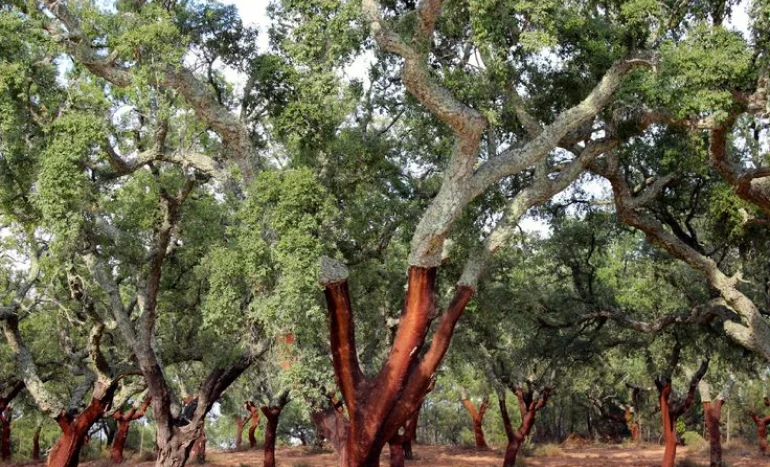
Cinnamon Tree - Health, Flavor and Sustainability

Cinnamon, often referred to as the "spice of life," is more than just a flavorful addition to your morning coffee or baked goods. This aromatic spice, derived from the bark of the cinnamon tree (Cinnamomum verum or Cinnamomum cassia), has a rich history, numerous health benefits, and a significant role in sustainable living. In this blog, we will explore the fascinating world of the cinnamon tree, its health implications, environmental impact, and how organizations like Grow Billion Trees are promoting sustainable practices to preserve this vital resource.

The Historical Journey of Cinnamon

Cinnamon has been cherished for thousands of years, dating back to ancient Egypt, where it was used in embalming and as a luxury spice. The spice was so valuable that it was often considered more precious than gold. Historical texts suggest that cinnamon was traded along the Silk Road, and it played a crucial role in the spice trade, which significantly impacted global commerce.

During the Middle Ages, cinnamon was a highly sought-after commodity in Europe, where it was used not only for flavoring but also for its supposed medicinal properties. The demand for cinnamon led to the establishment of colonial plantations in Sri Lanka, the primary source of true cinnamon today. The cultivation and trade of cinnamon have shaped economies and cultures throughout history.

Cinnamon's Health Benefits

Modern science has validated many of the health claims associated with cinnamon. Research indicates that cinnamon possesses anti-inflammatory, antioxidant, and antimicrobial properties. Here are some of the key health benefits of cinnamon:

  • Blood Sugar Regulation: Cinnamon has been shown to improve insulin sensitivity and lower blood sugar levels. A study published in the Journal of Diabetes Science and Technology found that cinnamon supplementation significantly reduced fasting blood glucose levels in individuals with type 2 diabetes.
  • Heart Health: Cinnamon may help reduce the risk of heart disease by lowering cholesterol levels and blood pressure. Research in the American Journal of Cardiology suggests that cinnamon can improve lipid profiles in individuals with diabetes.
  • Antioxidant Properties: Cinnamon is rich in polyphenols, which are powerful antioxidants that combat oxidative stress and inflammation. A study in the Journal of Agricultural and Food Chemistry highlighted cinnamon's ability to scavenge free radicals, contributing to overall health.
  • Brain Health: Some studies suggest that cinnamon may have neuroprotective effects, potentially reducing the risk of neurodegenerative diseases like Alzheimer's. Research published in the Journal of Neuroimmune Pharmacology indicates that cinnamon extract can inhibit the accumulation of tau proteins associated with Alzheimer's disease.
  • Digestive Health: Cinnamon has been traditionally used to alleviate digestive issues. Its antimicrobial properties can help combat harmful bacteria in the gut, promoting a healthy digestive system.

Fun Facts About Cinnamon

Here are some intriguing facts about cinnamon that you might not know:

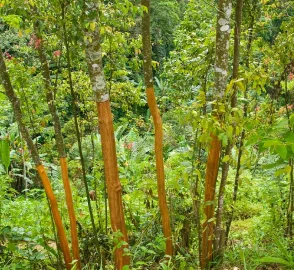
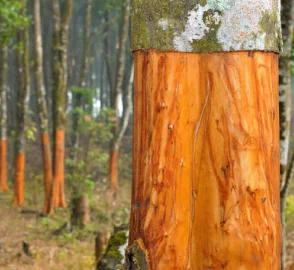
  • Bark Origin: Cinnamon is derived from the inner bark of the cinnamon tree, and it is harvested by peeling the bark and allowing it to dry, resulting in the familiar rolled-up sticks.
  • Two Main Types: There are two main types of cinnamon: Ceylon (true cinnamon) and Cassia. Ceylon cinnamon is considered superior due to its lower coumarin content, which can be harmful in large amounts.
  • Historical Value: Cinnamon was once so valuable that it was used as a form of currency in ancient times.
  • Word Origin: The word "cinnamon" comes from the Greek word "kinnamon," which is derived from the Hebrew word "qinnamon."
  • Traditional Medicine: Cinnamon has been used in traditional medicine for centuries, with references found in ancient Chinese medicine texts.

The Environmental Impact of Cinnamon Cultivation

The cultivation of cinnamon has significant implications for the environment. Sustainable practices are essential to ensure that this valuable resource is preserved for future generations. Here are some environmental considerations related to cinnamon farming:

  • Deforestation: Traditional cinnamon farming often leads to deforestation, particularly in tropical regions. This not only threatens biodiversity but also contributes to climate change through increased carbon emissions.
  • Soil Degradation: Unsustainable farming practices can lead to soil degradation, making it difficult for the land to support future crops. Implementing sustainable agricultural techniques can help restore soil health.
  • Biodiversity Loss: The conversion of natural habitats into cinnamon plantations can lead to a loss of biodiversity. Promoting agroforestry practices, where cinnamon is grown alongside other crops, can help maintain ecosystem balance.

Sustainable Cinnamon Farming Practices

To mitigate the negative environmental impacts of cinnamon cultivation, sustainable farming practices are crucial. Here are some strategies that can be employed:

  • Agroforestry: Integrating cinnamon cultivation with other crops and trees can enhance biodiversity, improve soil health, and provide additional income sources for farmers.
  • Organic Farming: Utilizing organic farming methods reduces the reliance on synthetic pesticides and fertilizers, promoting healthier ecosystems and protecting local wildlife.
  • Community Engagement: Involving local communities in sustainable farming practices ensures that they benefit from the cultivation of cinnamon while preserving their natural resources.

Grow Billion Trees: Partners in Sustainable Cinnamon Cultivation

Organizations like Grow Billion Trees are making significant strides in promoting sustainable practices in cinnamon cultivation. Their mission focuses on reforestation, biodiversity conservation, and empowering local communities through sustainable agriculture.

Grow Billion Trees partners with local farmers and communities to implement sustainable farming techniques that protect the environment while enhancing the livelihoods of those involved in cinnamon production. Their projects include:

  • Training Programs: Grow Billion Trees conducts training sessions for farmers on sustainable agricultural practices, emphasizing the importance of biodiversity and soil health.
  • Tree Planting Initiatives: The organization promotes the planting of native tree species alongside cinnamon plantations, helping to restore ecosystems and combat deforestation.
  • Market Access: By connecting farmers with sustainable markets, Grow Billion Trees helps ensure that they receive fair prices for their cinnamon products, incentivizing environmentally friendly practices.

Through these initiatives, Grow Billion Trees not only supports the cultivation of cinnamon but also contributes to the overall health of the planet and the well-being of local communities.

The Future of Cinnamon and Sustainable Living

The future of cinnamon cultivation lies in sustainable practices that prioritize environmental health and community well-being. As consumers become more aware of the impact of their choices, the demand for sustainably sourced cinnamon is likely to increase.

By supporting organizations like Grow Billion Trees and choosing products that promote sustainable agriculture, consumers can play a vital role in preserving the cinnamon tree and its many benefits. Sustainable cinnamon farming not only ensures the availability of this cherished spice but also contributes to the health of our planet.

Conclusion

Cinnamon is a remarkable spice with a rich history and a plethora of health benefits. However, the environmental challenges associated with its cultivation cannot be ignored. By embracing sustainable practices and supporting organizations dedicated to preserving the cinnamon tree, we can unlock the secrets to health, flavor, and sustainable living. Together, we can ensure that future generations can enjoy the many gifts that the cinnamon tree has to offer.

Cinnamon Tree Bark Harvesting
Sustainable Cinnamon Farming

Cinnamon Benefits

Cinnamon is not just a pretty spice; it's a health superhero in disguise! Packed with anti-inflammatory and antioxidant properties, this aromatic wonder can help regulate blood sugar levels, lower cholesterol, and even give your heart some love. Research suggests that adding a sprinkle of cinnamon to your daily routine might just be the flavorful ticket to a healthier you. Who knew that a dash of this spice could pack such a punch?

Sustainable Cinnamon Farming

Forget the old-school ways of farming; sustainable cinnamon farming is the new black! By integrating agroforestry practices, farmers can grow cinnamon alongside other crops, enhancing biodiversity while keeping the soil healthy. It's like a party for plants! With organic methods and community engagement, we can cultivate cinnamon that not only tastes good but also does good for the planet.

Cinnamon Tree Cultivation

Welcome to the world of cinnamon tree cultivation, where the bark is truly better than the bite! Growing these trees is an art form that requires patience and care. When harvested sustainably, they provide a bounty of flavorful bark while maintaining the ecosystem's balance. It's all about nurturing the tree and the environment, ensuring that future generations can savor the spice of life without guilt.

Cinnamon History

Dive into the rich tapestry of cinnamon history, where this spice was once more precious than gold! From ancient Egypt to the bustling markets along the Silk Road, cinnamon has been the life of the party for millennia. Its luxurious reputation and historical significance make it a spice that has shaped economies and cultures. Who knew that a humble bark could have such a glamorous past?

Ceylon vs. Cassia

In the world of cinnamon, not all spices are created equal! Meet Ceylon and Cassia, the dynamic duo of the cinnamon family. Ceylon, often dubbed "true cinnamon," is the sophisticated choice with a delicate flavor and lower coumarin content, making it the darling of health enthusiasts. Cassia, on the other hand, is the bold and robust cousin, offering a stronger flavor that packs a punch. Choose wisely, spice aficionados!

Cinnamon in Traditional Medicine

Step aside, modern medicine; cinnamon has been the go-to remedy for centuries! From ancient Chinese medicine to traditional Ayurvedic practices, this spice has been celebrated for its healing properties. Whether it's soothing digestive woes or combating colds, cinnamon has a long-standing reputation as a natural healer. Who needs a pharmacy when you have this aromatic wonder in your pantry?

Cinnamon and Antioxidants

Cinnamon isn't just a pretty face; it's a powerhouse of antioxidants! Packed with polyphenols, this spice helps fight oxidative stress and inflammation, keeping your cells happy and healthy. Studies show that a sprinkle of cinnamon can help scavenge free radicals like a superhero in your spice cabinet. So, next time you reach for that jar, remember—you're not just adding flavor; you're boosting your health!

Environmental Impact of Cinnamon

Let's talk about the elephant in the spice rack—cinnamon's environmental impact! Traditional farming methods can lead to deforestation and biodiversity loss, creating a recipe for disaster. But fear not! Sustainable practices are here to save the day. By promoting eco-friendly farming techniques, we can cultivate cinnamon while preserving our precious planet. It's a win-win for both spice lovers and Mother Earth!

Cinnamon and Community

Cinnamon isn't just about spice; it's about community! Organizations like Grow Billion Trees are working hand-in-hand with local farmers to promote sustainable practices. By engaging communities in cinnamon cultivation, they ensure that everyone benefits from this aromatic treasure. It's not just about the spice; it's about building a better future for farmers and the environment alike.

Cinnamon's Future

The future of cinnamon is as bright as its flavor! As consumers become more environmentally conscious, the demand for sustainably sourced cinnamon is on the rise. By choosing products that prioritize sustainable farming, we can ensure that this beloved spice continues to thrive. So, let's raise our mugs of cinnamon coffee and toast to a future filled with flavor and sustainability!

Cinnamon in Culinary Arts

Cinnamon is the culinary rock star that can elevate any dish! From sweet desserts to savory stews, this spice adds a unique twist that tantalizes the taste buds. Chefs around the world are embracing cinnamon's versatility, using it to create dishes that are not only delicious but also visually stunning. It's time to sprinkle some cinnamon magic into your cooking repertoire!

Cinnamon Health Benefits

Who knew that a sprinkle of cinnamon could do so much for your health? This humble spice is a powerhouse of wellness, helping regulate blood sugar, support heart health, and even boost brain function. With its anti-inflammatory and antioxidant properties, cinnamon is like a superhero in your spice rack. So next time you add it to your oatmeal or coffee, remember you're not just enhancing flavor—you're giving your body a health boost!

Cinnamon History

Travel back in time and discover cinnamon's fascinating journey from ancient Egypt to modern kitchens! Once considered more precious than gold, this spice shaped global trade routes and inspired explorers. Used in everything from embalming to luxury perfumes, cinnamon's story is as rich as its flavor. Today, we can enjoy this historical treasure in our daily lives while appreciating its incredible legacy that spans thousands of years.

Sustainable Cinnamon Farming

Love cinnamon? Let's make sure we can enjoy it for generations to come! Sustainable farming practices are transforming how cinnamon is grown, protecting forests while supporting local communities. Through agroforestry and organic methods, farmers are preserving biodiversity and soil health. By choosing sustainably sourced cinnamon, you're not just getting a quality product—you're supporting a healthier planet and fairer livelihoods for farming communities.

Cinnamon Types and Uses

Did you know there's more than one type of cinnamon? Discover the world of Ceylon and Cassia varieties, each with unique flavors and characteristics. From sweet pastries to savory dishes, cinnamon's versatility knows no bounds. Learn how to choose the right type for your culinary creations and unlock new dimensions of flavor in your kitchen. Whether you're baking, cooking, or brewing, there's a cinnamon perfect for every purpose!

Cinnamon Tree Cultivation

Ever wondered how that fragrant spice makes its way from tree to table? Cinnamon cultivation is an art that requires patience and skill. Farmers carefully harvest the inner bark, which curls into the familiar sticks as it dries. With proper care and sustainable methods, cinnamon trees can provide this precious spice for years while maintaining ecosystem health. It's a beautiful partnership between nature and human ingenuity!

Cinnamon in Traditional Medicine

Long before modern science confirmed its benefits, cinnamon was a staple in traditional healing practices. Ancient cultures from China to Egypt valued this spice for its medicinal properties, using it to treat everything from digestive issues to respiratory conditions. Today, we're rediscovering these ancient wisdoms while adding scientific validation. It's amazing how this ancient remedy continues to heal and nourish us in the modern world!

Cinnamon Environmental Impact

Your cinnamon choices matter more than you might think! Conventional cinnamon farming can contribute to deforestation and soil degradation, but sustainable alternatives are changing the game. By supporting eco-friendly cultivation methods, you're helping preserve biodiversity and combat climate change. Every purchase is a vote for the kind of world you want to live in—so choose cinnamon that cares for our planet!

Cinnamon Recipes and Cooking

Ready to spice up your kitchen adventures? Cinnamon isn't just for sweets—it can transform savory dishes, drinks, and even main courses! Discover innovative ways to incorporate this versatile spice into your cooking, from Moroccan tagines to Mexican hot chocolate. With its warm, complex flavor profile, cinnamon can elevate simple ingredients into extraordinary meals. Get creative and let cinnamon work its magic in your culinary creations!

Cinnamon and Grow Billion Trees

Making a difference has never tasted so good! Organizations like Grow Billion Trees are partnering with cinnamon farmers to promote sustainable practices that benefit both people and the planet. Through training programs, reforestation efforts, and fair market access, they're creating a brighter future for cinnamon cultivation. When you support these initiatives, you're not just enjoying a delicious spice—you're contributing to positive change in communities and ecosystems.

Cinnamon Fun Facts

Prepare to be amazed by cinnamon's incredible story! Did you know it was once used as currency? Or that there are different types with distinct flavors and health properties? From its ancient origins to modern scientific discoveries, cinnamon is full of surprises. These fascinating tidbits will make you appreciate this common spice in a whole new light. Share them with friends and impress everyone with your cinnamon knowledge!

FAQ

What is the cinnamon tree?

The cinnamon tree, scientifically known as Cinnamomum verum or Cinnamomum cassia, provides the aromatic spice harvested from its inner bark, used worldwide in cooking and baking.

01

What are the health benefits of cinnamon?

Cinnamon may help regulate blood sugar, improve heart health, boost brain function, and provides antioxidant and anti-inflammatory properties.

02

How does cinnamon cultivation affect the environment?

Traditional cinnamon farming can lead to deforestation, biodiversity loss, and soil degradation. Sustainable methods are needed to reduce environmental impact.

03

What are sustainable cinnamon farming practices?

Agroforestry, organic farming, and community engagement are sustainable practices that protect biodiversity, soil health, and support local communities.

04

What is Grow Billion Trees?

Grow Billion Trees promotes sustainable cinnamon cultivation by training farmers, supporting reforestation, and encouraging eco-friendly practices to protect the environment.

05

How does cinnamon help with blood sugar?

Cinnamon may improve insulin sensitivity and lower fasting blood glucose levels, helping regulate blood sugar and potentially benefiting those with type 2 diabetes.

06

Is there a difference between Ceylon and Cassia cinnamon?

Ceylon cinnamon (true cinnamon) is sweeter with lower coumarin content, while Cassia is stronger and more common. Ceylon is preferred for quality and health reasons.

07

What role does cinnamon play in history?

Valued more than gold in ancient times, cinnamon was used in Egypt, traded along the Silk Road, and influenced global economies and colonial plantations.

08

How can consumers support sustainable cinnamon?

By choosing sustainably sourced cinnamon and supporting organizations like Grow Billion Trees, consumers help protect the environment and empower local communities.

09

What are some fun facts about cinnamon?

Cinnamon has two main varieties (Ceylon and Cassia) and a fascinating history that connects cultures, trade, and culinary traditions around the world.

10

How does cinnamon benefit brain health?

Cinnamon may have neuroprotective effects and help reduce the risk of neurodegenerative diseases like Alzheimer’s, supporting brain health with its antioxidant compounds.

11

What is the future of cinnamon cultivation?

The future is bright with sustainable practices and growing consumer awareness, ensuring cinnamon continues to thrive without harming the environment.

12
logo
back top