
Sand Paper Tree: The Secret to Sustainable Landscaping and Eco-Friendly Living
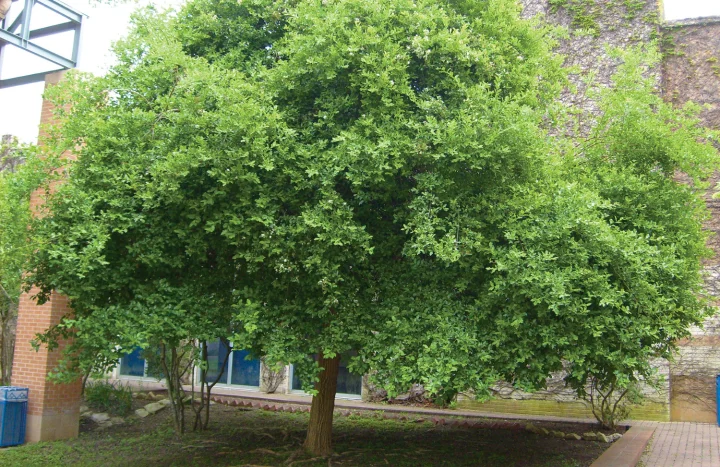
Aadusa Tree - Medicinal Plant

Sand Paper Tree: Sustainable Landscaping and Eco-Friendly Benefits

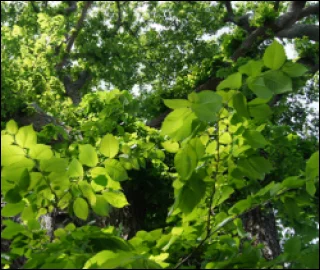
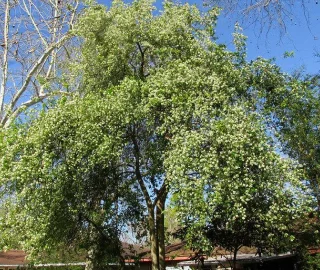
The Sand Paper Tree (Ficus macrophylla) is a large, resilient species native to Australia, known for its unique sandpaper-like leaves and impressive ecological benefits. This tree contributes to sustainable landscaping, supports biodiversity, improves air quality, and helps maintain soil and water balance.

1. Scientific Data & Fun Facts

  • Can grow up to 30 meters tall with a broad, dense canopy providing ample shade.
  • Leaves are rough-textured due to tiny hair-like structures, historically used by Indigenous Australians for crafting and smoothing surfaces.
  • Each tree can sequester significant amounts of carbon dioxide, aiding climate change mitigation.
  • Popularly referred to as the "Ficus" tree in landscaping and ecological studies.

2. Historical Significance

  • Used by Indigenous Australians for tools, crafts, and cultural practices for thousands of years.
  • Introduced globally in the late 19th and early 20th centuries for urban landscaping and shade.
  • Plays a vital role in local ecosystems by providing habitat and food for birds, insects, and small mammals.

3. Environmental Impact

  • Air Quality Improvement: Filters pollutants and particulate matter, improving urban air health.
  • Biodiversity Support: Provides shelter and food for wildlife, maintaining ecological balance.
  • Soil Erosion Prevention: Extensive roots stabilize soil, preventing degradation in urban areas.
  • Water Management: Absorbs rainwater, reduces runoff, and supports groundwater recharge.

4. Sustainable Landscaping Strategies

  • Shade Provision: Plant strategically to reduce heat and lower energy consumption.
  • Privacy Screens: Dense foliage creates natural barriers in outdoor spaces.
  • Pollinator Gardens: Combine with native flowering plants to support pollinators.
  • Community Green Spaces: Integrate into parks and public areas for environmental and social benefits.

5. Grow Billion Trees Partners Initiatives

  • Community Engagement: Workshops, tree planting events, and educational programs.
  • Partnerships with Local Governments: Identify suitable locations and develop sustainable landscaping plans.
  • Research & Development: Study ecological benefits to optimize planting strategies.
  • Monitoring & Maintenance: Support ongoing care to ensure tree survival and growth.

Conclusion

The Sand Paper Tree is a vital species for sustainable landscaping and eco-friendly urban planning. By improving air quality, supporting biodiversity, and stabilizing soils, it provides multifaceted environmental benefits. Organizations like Grow Billion Trees Partners are championing its planting and care, engaging communities to ensure long-term ecological impact. Planting Sand Paper Trees today helps create greener, healthier, and more sustainable environments for generations to come.

Aadusa Tree Leaves - Medicinal Properties
Aadusa Tree in Ayurvedic Medicine

Sand Paper Tree: Nature’s Environmental Superhero

The Sand Paper Tree isn’t just a pretty face—it’s a true environmental superhero! With its amazing ability to absorb up to 48 pounds of CO2 each year, it’s like taking a car off the road. It purifies air, supports biodiversity, and provides shelter for birds and insects. While it looks fabulous, it’s also busy saving the planet!

Sustainable Landscaping

Dreaming of an eco-friendly garden? The Sand Paper Tree has a broad canopy that gives shade, reduces energy costs, and doubles as a natural privacy screen. It’s your ticket to a stylish, sustainable outdoor oasis.

Historical Significance

Indigenous Australians have used this remarkable tree for thousands of years to craft tools and smooth surfaces with its unique leaves. Planting a Sand Paper Tree isn’t just adding greenery—it’s adding a piece of living history!

Air Quality Improvement

Urban life can be smoggy, but the Sand Paper Tree helps. It filters out harmful pollutants and can reduce air pollution by up to 30%, making your city air cleaner and healthier.

Biodiversity Support

Its large leaves provide shelter for animals, and its flowers attract bees and butterflies. By planting a Sand Paper Tree, you’re creating a thriving habitat while enhancing your garden’s beauty.

Soil Erosion Prevention

With an extensive root system, this tree stabilizes soil and prevents erosion—fortifying your landscape and promoting healthy soil structure.

Water Management

The Sand Paper Tree absorbs rainwater, reduces runoff, and promotes groundwater recharge. While you enjoy its shade, it’s actively managing water and keeping your landscape lush.

Community Green Spaces

Plant Sand Paper Trees in parks and community spaces to beautify neighborhoods, provide environmental benefits, and create spaces that value sustainability.

Grow Billion Trees Partners

Join global efforts like Grow Billion Trees Partners to plant native trees and combat climate change. Every Sand Paper Tree planted makes a lasting impact on the planet!

Carbon Sequestration

This tree is a carbon-absorbing machine! Incorporating it into your landscape helps reduce greenhouse gases while adding natural beauty.

Pollinator Gardens

Plant it with native flowering plants to attract bees, butterflies, and other pollinators. Enjoy a lively, colorful garden that supports local biodiversity.

Climate Change Mitigation

By absorbing CO2 and improving air quality, the Sand Paper Tree plays a crucial role in mitigating climate change. Plant, nurture, and watch it thrive—nature’s way of fighting back!

FAQs

What is the Sand Paper Tree?

The Sand Paper Tree (Ficus macrophylla) is a tall, glossy-leaved marvel from Australia. Its unique sandpaper-like leaves add style to your garden while providing ample shade, making it a perfect landscaping companion.

1

How tall does the Sand Paper Tree grow?

It can reach heights of up to 30 meters! With such a broad canopy, it beautifies spaces and helps cool urban areas naturally.

2

What are the environmental benefits of the Sand Paper Tree?

The Sand Paper Tree absorbs carbon dioxide, filters pollutants from the air, stabilizes soil, and supports biodiversity. It’s a multitasking environmental superhero!

3

How does the Sand Paper Tree improve air quality?

It acts as a natural air purifier, filtering out harmful gases and particulate matter, reducing urban pollution by up to 30%.

4

How does it support biodiversity?

Its leaves and flowers provide food and shelter for birds, insects, and small mammals, creating a thriving ecosystem wherever it is planted.

5

Can it help prevent soil erosion?

Yes! Its extensive root system anchors the soil, preventing erosion and maintaining soil health, especially in urban areas.

6

How can Sand Paper Trees be used in landscaping?

They are ideal for shade, natural privacy screens, pollinator gardens, or as aesthetic focal points in yards and parks.

7

What is the historical significance of the Sand Paper Tree?

For thousands of years, Indigenous Australians used it for practical purposes like tool-making and crafting. It’s a living piece of cultural heritage.

8

How does Grow Billion Trees Partners promote it?

They plant Sand Paper Trees on a large scale, engage local communities, and ensure sustainable practices for lasting environmental benefits.

9

How can I support sustainable landscaping?

Participate in local tree planting, support initiatives like Grow Billion Trees Partners, and help create a greener, healthier planet.

10

Why is it a good choice for urban environments?

It thrives in cities, providing shade, cooling urban heat, improving air quality, and adapting well to urban challenges. A perfect urban companion!

11
logo
back top