

Cuban Laurel Tree: Unveiling the Secrets of Nature's Majestic Evergreen
Cuban Laurel Tree - Nature's Majestic Evergreen

The Cuban Laurel Tree, scientifically known as Ficus citrifolia, is a majestic evergreen that thrives in the tropical climates of the Caribbean, particularly in Cuba. This remarkable tree not only contributes to the ecological balance of its environment but also holds cultural significance and historical value that weave together the fabric of Cuban life. In this blog, we will explore the secrets of the Cuban Laurel Tree, its ecological importance, fun facts, historical context, and how organizations like Grow Billion Trees Partners are actively involved in promoting the growth and sustainability of this magnificent species.

Characteristics of the Cuban Laurel Tree

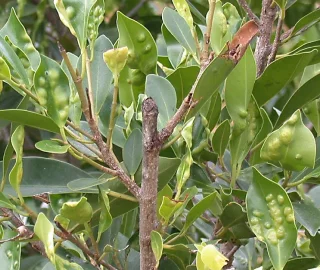
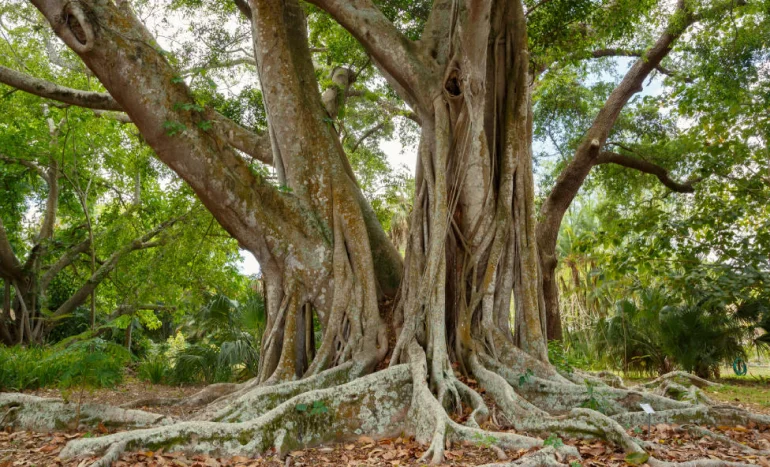
The Cuban Laurel Tree belongs to the Moraceae family, which includes other well-known species such as fig trees and rubber trees. It is characterized by its broad, glossy leaves that can grow up to 10 inches long, creating a lush canopy that provides shade and habitat for various wildlife. The tree can reach heights of 60 feet and has a distinctive, wide trunk that can measure up to 3 feet in diameter. One of the most fascinating aspects is its unique aerial roots, which descend from branches and can take root in soil, creating a network of support that allows the tree to thrive in challenging conditions.

Scientific Data and Fun Facts

Here are some fascinating facts about this remarkable tree:

  • Longevity: The Cuban Laurel Tree can live for over 100 years, making it a long-lasting addition to any landscape.
  • Wildlife Attraction: The tree's dense foliage attracts a variety of bird species, including the Cuban Trogon, the national bird of Cuba.
  • Medicinal Uses: Traditional medicine utilizes various parts of the tree for treating ailments such as inflammation and skin conditions.
  • Cultural Symbol: The tree is often used in literature and art as a symbol of endurance and resilience.

Historical Significance

The Cuban Laurel Tree has been an integral part of Cuban culture and history for centuries. Indigenous peoples of the Caribbean utilized the tree for various purposes, including crafting tools, building materials, and medicinal remedies. The tree's strong wood was traditionally used for constructing canoes and homes, showcasing its versatility and importance in daily life. During the colonial period, the Cuban Laurel Tree became a symbol of resilience and strength, mirroring the spirit of the Cuban people as they navigated the challenges of colonial rule.

Ecological Impact

The Cuban Laurel Tree plays a vital role in its ecosystem. As an evergreen species, it provides year-round foliage that supports a diverse range of wildlife, including birds, insects, and mammals. The tree's dense canopy offers shelter and nesting sites, while its fruits serve as a food source for various species. Moreover, it contributes to soil stabilization, preventing erosion in coastal areas and along riverbanks. Its extensive root system helps to filter water, thereby improving water quality in surrounding ecosystems. The tree also plays a crucial role in carbon sequestration, helping to mitigate the effects of climate change.

Benefits of Cuban Laurel Tree

The Cuban Laurel Tree offers numerous advantages for both the environment and human society:

  • Wildlife Habitat: Provides shelter and food sources for various bird and animal species
  • Soil Protection: Extensive root systems prevent erosion and stabilize soil
  • Water Filtration: Helps improve water quality in surrounding ecosystems
  • Carbon Sequestration: Absorbs carbon dioxide to combat climate change
  • Cultural Value: Serves as an important cultural and historical symbol
  • Medicinal Properties: Used in traditional medicine for various treatments

Conservation and Grow Billion Trees Partners

Despite its resilience, the Cuban Laurel Tree faces threats from urbanization, deforestation, and climate change. Recognizing the importance of conservation, various organizations including Grow Billion Trees Partners have initiated projects aimed at protecting and restoring this majestic species. Grow Billion Trees Partners works closely with local communities in Cuba to promote the planting of Cuban Laurel Trees and other native species. Their approach combines education, community engagement, and sustainable practices to ensure the success of their projects, conducting workshops to educate the public about the tree's ecological significance and providing resources for planting and maintenance.

Conclusion

The Cuban Laurel Tree is more than just an evergreen; it is a symbol of resilience, a critical component of its ecosystem, and a part of Cuba's cultural identity. As we uncover the secrets of this majestic tree, it becomes clear that its preservation is essential for maintaining ecological balance and supporting biodiversity. Organizations like Grow Billion Trees Partners are making significant strides in promoting the growth and sustainability of the Cuban Laurel Tree through community engagement, education, and reforestation efforts. By supporting local conservation initiatives and spreading awareness, we can ensure that this magnificent species continues to thrive for generations to come.

Aerial Roots
Conservation Efforts

Cuban Laurel Tree Characteristics

The Cuban Laurel Tree, or Ficus citrifolia, is like the diva of the tropical forest, flaunting broad, glossy leaves that can grow up to 10 inches long. Picture a tree that can reach heights of 60 feet with a trunk that's a whopping 3 feet in diameter—this tree doesn't do things by halves. Its aerial roots are like nature's own support system, reaching down to grab hold of the earth and create a lush, green umbrella for all sorts of wildlife. It's not just a pretty face; it's a botanical marvel that thrives in challenging conditions while providing shade and habitat for birds, insects, and mammals.

Ecological Role of the Cuban Laurel Tree

Think of the Cuban Laurel Tree as the unsung hero of its ecosystem. This evergreen beauty doesn't just look good; it's a year-round provider of foliage that supports a diverse cast of wildlife. With its dense canopy acting as a shelter and nesting paradise, it's the ultimate wildlife sanctuary. Plus, its fruits are like an all-you-can-eat buffet for various species. But wait, there's more! This tree is also a soil stabilization expert, preventing erosion and filtering water to improve quality. And let's not forget its role in carbon sequestration—it's working hard to combat climate change while looking fabulous!

Cultural Significance of the Cuban Laurel Tree

The Cuban Laurel Tree is not just another pretty plant; it's a cultural icon that's been woven into the fabric of Cuban life for centuries. Indigenous peoples once relied on this tree for crafting tools, building materials, and medicinal remedies. Its strong wood was the go-to choice for constructing canoes and homes, proving its versatility. During colonial times, the tree symbolized resilience, mirroring the spirit of the Cuban people facing adversity. Today, it stands tall in parks and gardens, a living testament to Cuba's rich natural heritage and a reminder that nature has stories to tell.

Fun Facts About the Cuban Laurel Tree

Who knew trees could be so interesting? The Cuban Laurel Tree can live for over 100 years—talk about longevity! It's like the grandparent of the forest, offering wisdom and shade to all. Its dense foliage attracts a variety of bird species, including the Cuban Trogon, the national bird of Cuba. And let's not overlook its medicinal uses; traditional Cuban medicine harnesses the tree's power to treat inflammation and skin conditions. In literature and art, this tree has become a symbol of strength and endurance, proving that even in the botanical world, there are legends worth sharing.

Threats to the Cuban Laurel Tree

Despite its resilience, the Cuban Laurel Tree faces some serious challenges. Urbanization, deforestation, and climate change are like the villains in its story, threatening its survival. As cities expand and natural habitats dwindle, the tree's population has taken a hit. But fear not! Organizations like Grow Billion Trees Partners are stepping in to save the day. They're on a mission to protect and restore this majestic species, proving that even in tough times, there's hope for a greener future. The fight to protect this botanical treasure is real and urgent!

Conservation Efforts for the Cuban Laurel Tree

Conservation isn't just a buzzword; it's a necessary action, especially for the Cuban Laurel Tree. Organizations like Grow Billion Trees Partners are leading the charge, promoting reforestation and sustainability. They work hand-in-hand with local communities to plant Cuban Laurel Trees and other native species, making sure the tree isn't just a memory. Through education and community engagement, they're creating a sense of stewardship that encourages everyone to pitch in. After all, it takes a village—or in this case, a community—to ensure that this botanical beauty continues to thrive for future generations.

Planting Tips for the Cuban Laurel Tree

Thinking of adding a Cuban Laurel Tree to your garden? Great choice! But before you dig in, it's essential to know what this tree loves. It thrives in well-drained soil and prefers full sun to partial shade—so pick a sunny spot! Once established, it's drought-tolerant, but a little regular watering during dry spells won't hurt. Don't forget to consider its mature size; this tree needs space to spread its branches wide. Regular pruning will help maintain its shape, and keep an eye out for pests. With the right care, your Cuban Laurel Tree will flourish and become the star of your garden!

Community Involvement in Conservation

Community is key when it comes to saving the Cuban Laurel Tree! Local residents play a crucial role in planting events, educational workshops, and ongoing tree maintenance. By fostering a sense of ownership, communities can significantly impact the preservation of this species. Organizations like Grow Billion Trees Partners emphasize the importance of community engagement, partnering with schools to educate students about the tree's ecological significance. These programs inspire the next generation to appreciate and protect their natural heritage, proving that when people come together, they can make a real difference that lasts for generations.

Call to Action for Cuban Laurel Tree Preservation

The Cuban Laurel Tree is more than just an evergreen; it's a symbol of resilience and a vital part of Cuba's cultural identity. As we uncover its secrets, it becomes clear that preserving this majestic tree is crucial for maintaining ecological balance and supporting biodiversity. Organizations like Grow Billion Trees Partners are making headway in promoting its growth and sustainability. But they can't do it alone! Join the movement by supporting local conservation initiatives, participating in planting events, and spreading the word about the importance of the Cuban Laurel Tree. Together, we can ensure this magnificent species continues to thrive for generations to come.

Aerial Root Wonder

The Cuban Laurel Tree's aerial roots are like nature's architectural masterpiece! These incredible roots don't just hang there looking dramatic—they actively seek out soil to establish new support systems, creating what appears to be multiple trunks supporting the main tree. It's like the tree is building its own reinforcement team, ensuring stability during tropical storms and hurricanes. This clever adaptation allows the tree to spread out and claim its territory while providing extra surface area for nutrient absorption. It's the botanical equivalent of having multiple safety nets—pure genius!

Tropical Ecosystem Engineer

Meet the Cuban Laurel Tree—nature's ultimate ecosystem engineer! This tree doesn't just occupy space; it actively shapes its environment. Its broad canopy creates microclimates beneath it, regulating temperature and humidity for smaller plants. The fallen leaves enrich the soil with organic matter, while the complex root system creates habitats for countless microorganisms. Birds use its branches as nesting sites, insects find shelter in its bark, and the entire local food web benefits from its presence. It's like a bustling city within a tree, supporting life at every level of the ecosystem!

FAQ

What is the Cuban Laurel Tree?

The Cuban Laurel Tree (Ficus citrifolia) is an evergreen beauty that thrives in tropical Caribbean climates, particularly Cuba. Known for its broad leaves and grand stature, it symbolizes resilience and provides vital habitats for wildlife.

01

Why is the Cuban Laurel Tree ecologically important?

This tree provides shelter for wildlife, stabilizes soil with its strong roots, and filters water naturally. Its lush canopy supports biodiversity, while its carbon-absorbing abilities help mitigate climate change — making it an ecological all-star.

02

What historical significance does the Cuban Laurel Tree have?

Historically, the Cuban Laurel Tree has been deeply rooted in Cuba’s culture. Indigenous people used it for tools and structures, while during colonial times it became a symbol of endurance and pride — a living link to the nation’s natural and cultural identity.

03

What are some fun facts about the Cuban Laurel Tree?

This tree can live over a century and attracts Cuba’s national bird, the Cuban Trogon. It’s also used in traditional medicine and often appears in art and literature as a symbol of endurance and wisdom.

04

What threats does the Cuban Laurel Tree face?

Urbanization, deforestation, and climate change threaten its survival. As natural habitats shrink, conservation efforts led by organizations like Grow Billion Trees Partners are crucial to protect and restore this majestic species.

05

How can I plant and care for a Cuban Laurel Tree?

Plant it in well-drained soil under full sun to partial shade. Once established, it tolerates drought but appreciates occasional watering. Regular pruning and pest monitoring will ensure your Cuban Laurel thrives beautifully.

06

What role does community play in conservation efforts?

Community engagement is essential for successful conservation. Local groups and schools participate in planting drives and educational programs, fostering environmental awareness and ensuring the Cuban Laurel Tree’s future.

07

How can I support Cuban Laurel Tree conservation?

Support reforestation projects, volunteer for local conservation events, or donate to organizations working to preserve native Cuban trees. Every small action helps secure a greener tomorrow.

08

What is the mission of Grow Billion Trees Partners?

Grow Billion Trees Partners aims to restore native forests and promote environmental sustainability. By partnering with Cuban communities, they provide resources, education, and hands-on support to safeguard the Cuban Laurel Tree.

09

How does the Cuban Laurel Tree contribute to biodiversity?

The Cuban Laurel Tree supports a rich web of life — from birds and insects to small mammals — by offering food, nesting sites, and shade. It plays a key role in maintaining ecosystem health and balance.

10

What can I learn from the Cuban Laurel Tree?

The Cuban Laurel Tree teaches lessons of resilience, adaptability, and unity with nature. It reflects the strength of the Cuban spirit and inspires us to protect and cherish our planet’s natural treasures.

11
logo
back top