

Indian Corkwood Tree: Unveiling the Mysteries and Benefits of Nature's Hidden Gem
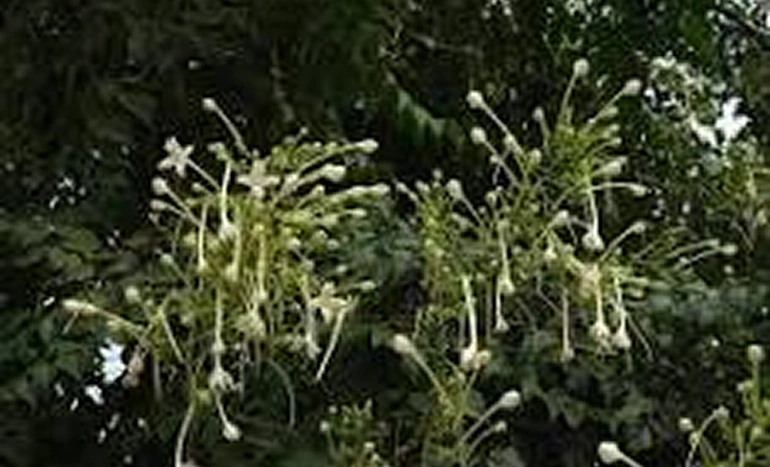
Indian Corkwood Tree - Millingtonia hortensis

The Indian Corkwood Tree, scientifically known as Millingtonia hortensis, is a fascinating species that has garnered attention for its unique characteristics and ecological significance.

Often overshadowed by more prominent trees, the Indian Corkwood Tree is a hidden gem that offers a plethora of benefits, both to the environment and to human society.

In this blog, we delve into the mysteries of the Indian Corkwood Tree, exploring its historical significance, ecological contributions, and the ongoing efforts by organizations like Grow Billion Trees Partners to promote its cultivation and conservation.

Historical Significance

The Indian Corkwood Tree has a rich history that dates back centuries. Native to the tropical regions of India and Southeast Asia, this tree has been utilized in traditional medicine and local crafts. The tree's soft, cork-like wood was historically used for making floats, rafts, and other lightweight structures, showcasing its practical applications. In many cultures, the tree is also associated with various myths and legends, often symbolizing resilience and longevity.

In ancient Indian texts, the Indian Corkwood Tree is mentioned for its medicinal properties. The bark and leaves have been used in traditional Ayurvedic practices to treat ailments such as fevers, respiratory issues, and skin conditions. This historical context underscores the significance of the Indian Corkwood Tree as not just a natural resource but also a vital component of cultural heritage.

Botanical Characteristics

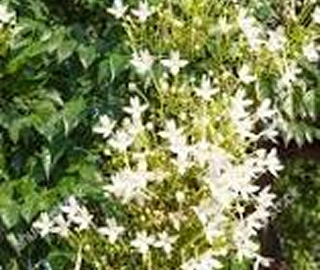
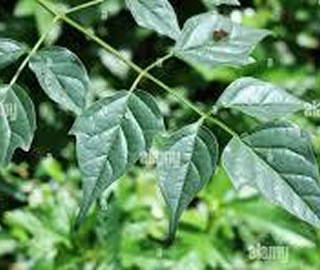
The Indian Corkwood Tree is a deciduous tree that can reach heights of up to 30 meters. It features a broad, spreading crown and large, heart-shaped leaves that can grow up to 15 cm in length. The tree produces beautiful, fragrant white flowers that bloom in clusters, attracting a variety of pollinators, including bees and butterflies. The flowers are followed by long, slender capsules that contain seeds, which are dispersed by the wind.

One of the most intriguing aspects of the Indian Corkwood Tree is its unique bark. The bark is thick and spongy, providing insulation and protection against environmental stressors. This cork-like texture is not only a defense mechanism but also plays a role in water retention, making the tree well-adapted to its native habitats.

Ecological Benefits

The Indian Corkwood Tree plays a vital role in its ecosystem. Its extensive root system helps prevent soil erosion, particularly in areas prone to heavy rainfall. By stabilizing the soil, the tree contributes to the maintenance of local water cycles and helps preserve the integrity of the surrounding environment.

Additionally, the tree serves as a habitat for various species of birds, insects, and small mammals. The flowers provide nectar for pollinators, while the seeds serve as a food source for birds and other wildlife. By supporting biodiversity, the Indian Corkwood Tree contributes to the overall health of its ecosystem.

Moreover, the tree's ability to sequester carbon makes it an essential player in combating climate change. Trees absorb carbon dioxide during photosynthesis, helping to mitigate the effects of greenhouse gases. The Indian Corkwood Tree, with its significant biomass, can contribute to carbon storage, making it a valuable asset in the fight against global warming.

Fun Facts

  • The Indian Corkwood Tree is often referred to as the "Tree of Life" due to its numerous benefits to both humans and wildlife.
  • In some regions, the tree is known for its ability to withstand drought, making it a resilient species in changing climatic conditions.
  • The wood of the Indian Corkwood Tree is lightweight and buoyant, which is why it has historically been used for making fishing floats.
  • Its flowers are not only beautiful but also emit a pleasant fragrance, making it a popular choice for ornamental planting in gardens and parks.

Environmental Impact

As urbanization and deforestation continue to pose significant threats to natural ecosystems, the importance of planting trees like the Indian Corkwood cannot be overstated. The tree's resilience to adverse environmental conditions makes it an ideal candidate for reforestation projects. By restoring degraded landscapes with native species, we can enhance biodiversity, improve soil health, and increase carbon sequestration.

Furthermore, the Indian Corkwood Tree's ability to thrive in a variety of soil types and its low water requirements make it an excellent choice for afforestation efforts in arid and semi-arid regions. This adaptability not only helps restore ecosystems but also supports local communities by providing resources such as timber, medicinal products, and food.

Grow Billion Trees Partners: A Commitment to Sustainability

Organizations like Grow Billion Trees Partners are at the forefront of promoting the cultivation and conservation of the Indian Corkwood Tree. Their mission is to plant and nurture a billion trees globally, focusing on native species that can thrive in local environments. By partnering with local communities, governments, and environmental organizations, Grow Billion Trees Partners aims to create sustainable ecosystems that benefit both nature and people.

Their approach involves a comprehensive strategy that includes community engagement, research and education, monitoring and maintenance, and collaboration with local governments to ensure the long-term success of tree planting initiatives.

The Future of the Indian Corkwood Tree

As we look to the future, the Indian Corkwood Tree holds immense potential for ecological restoration and sustainable development. With the increasing awareness of environmental issues, there is a growing movement towards planting native species that can withstand climate change and support local wildlife.

Efforts by organizations like Grow Billion Trees Partners are crucial in this regard. By focusing on the Indian Corkwood Tree and other native species, they are not only enhancing biodiversity but also promoting sustainable livelihoods for local communities. The tree's versatility and resilience make it an ideal candidate for reforestation projects, contributing to the restoration of degraded landscapes and the protection of endangered ecosystems.

Conclusion

The Indian Corkwood Tree is a remarkable species that embodies the intricate relationship between nature and human society. Its historical significance, ecological benefits, and adaptability make it a vital component of our natural heritage.

As we face the challenges of climate change and environmental degradation, the need to protect and promote trees like the Indian Corkwood becomes increasingly urgent. Through the efforts of organizations like Grow Billion Trees Partners, we can ensure that this hidden gem of nature is not only preserved but also celebrated for its numerous contributions to our planet.

By embracing sustainable practices and fostering a deeper connection to our environment, we can work together to create a greener, healthier future for generations to come.

Indian Cork Fig Fruits
Indian Cork Fig Tree

FAQ

What is the Indian Corkwood Tree?

The Indian Corkwood Tree, or Millingtonia hortensis, is a tropical marvel native to India and Southeast Asia. Known for its cork-like bark and stunning white flowers, this tree is a hidden gem that offers ecological and medicinal benefits, proving that not all heroes wear capes—some just stand tall and provide shade!

01

What are the historical uses of the Indian Corkwood Tree?

Historically, the Indian Corkwood Tree has been a jack-of-all-trades! Its lightweight wood was used for making floats and rafts, while its bark and leaves found their way into traditional Ayurvedic medicine. This tree has been a silent partner in many local crafts and healing practices, proving its worth through the ages.

02

What are the ecological benefits of the Indian Corkwood Tree?

The Indian Corkwood Tree is an environmental superhero! Its extensive roots prevent soil erosion, stabilize water cycles, and provide habitats for various wildlife. Plus, it sequesters carbon, helping combat climate change. Who knew a tree could do so much while looking so good!

03

How tall can the Indian Corkwood Tree grow?

This majestic tree can reach heights of up to 30 meters! With its broad crown and heart-shaped leaves, it's like the skyscraper of the forest. Standing tall, it's a beacon of resilience and a reminder that nature knows how to reach for the sky!

04

What type of wildlife benefits from the Indian Corkwood Tree?

The Indian Corkwood Tree is a wildlife haven! Its fragrant flowers attract pollinators like bees and butterflies, while its seeds provide food for birds and small mammals. It's like a five-star buffet for nature's critters, making it a vital player in supporting biodiversity.

05

How does the Indian Corkwood Tree contribute to climate change mitigation?

This tree is not just a pretty face; it's a carbon-storing champion! By absorbing carbon dioxide during photosynthesis, the Indian Corkwood Tree helps mitigate greenhouse gases. Every tree planted is a step toward a cooler planet, making it a true climate ally.

06

What makes the bark of the Indian Corkwood Tree unique?

The bark of the Indian Corkwood Tree is thick and spongy, offering insulation and protection from environmental stressors. Think of it as Mother Nature's cozy blanket! Its cork-like texture not only defends against the elements but also aids in water retention, making it an adaptive wonder.

07

Why is the Indian Corkwood Tree referred to as the "Tree of Life"?

The Indian Corkwood Tree is dubbed the "Tree of Life" for good reason! It offers numerous benefits to humans and wildlife alike. From medicinal properties to ecological contributions, it embodies resilience and longevity, reminding us that life flourishes in harmony with nature.

08

How does Grow Billion Trees Partners support the Indian Corkwood Tree?

Grow Billion Trees Partners is on a mission to plant a billion trees, including the Indian Corkwood! By engaging local communities, conducting research, and collaborating with governments, they ensure that this tree thrives. Their efforts are a testament to how teamwork can create a greener future!

09

What is the role of the Indian Corkwood Tree in reforestation?

The Indian Corkwood Tree is a reforestation rockstar! Its adaptability to various soil types and low water requirements make it ideal for restoring degraded landscapes. By planting this tree, we can enhance biodiversity and support local communities, turning barren lands into thriving ecosystems.

10
logo
back top