


Cottonwood Tree
Cottonwood Tree: The Majestic Giant of Nature's Landscape and Its Surprising Benefits
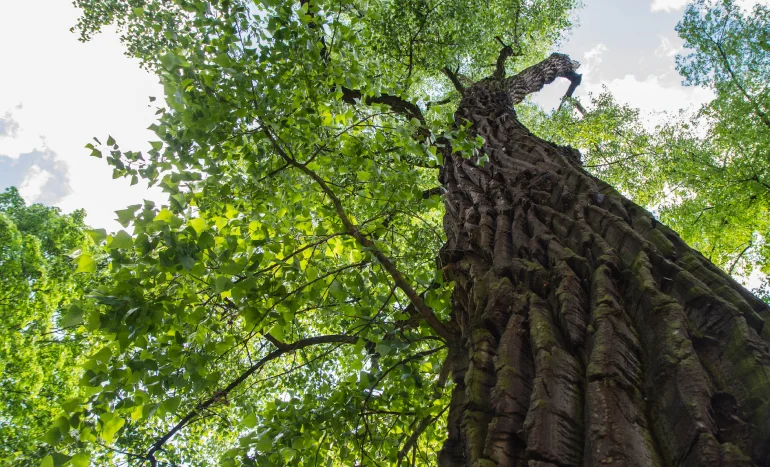
Characteristics of the Cottonwood Tree
Scientific Data and Fun Facts
- Fast Growth: Cottonwoods are among the fastest-growing trees in North America, capable of growing up to 6 feet per year under ideal conditions.
- Lifespan: Despite their impressive size, Cottonwoods have a relatively short lifespan of 50 to 70 years.
- Seed Dispersal: The tree produces fluffy seeds that are carried by the wind, allowing for rapid colonization of new areas.
- Preferred Habitat: Cottonwoods thrive in riparian zones, making them essential for stabilizing riverbanks and providing habitat for various wildlife.
Historical Significance
Ecological Impact
Benefits of Cottonwood Trees
- Medicinal Uses: The bark and leaves contain salicin, a compound similar to aspirin, which has anti-inflammatory properties used in traditional medicine.
- Wood Products: Cottonwood wood is lightweight and easy to work with, making it popular for furniture, cabinetry, and musical instruments.
- Shade and Aesthetics: Cottonwoods provide ample shade and enhance the beauty of landscapes in parks and residential areas.
- Pollinator Support: These trees attract various pollinators, including bees, which are essential for ecosystem health and food production.
- Flood Mitigation: By growing along riverbanks, they absorb excess water and reduce flood risks.
Grow Billion Trees Partners: A Commitment to Reforestation
- Community Engagement: Working closely with local communities to educate them about tree planting benefits and involve them in the process.
- Strategic Partnerships: Collaborating with governmental bodies, NGOs, and private sectors to maximize impact.
- Research and Innovation: Investing in research to identify the best tree species for specific environments.
- Monitoring and Maintenance: Implementing programs to track tree health and ensure long-term success.
Conclusion
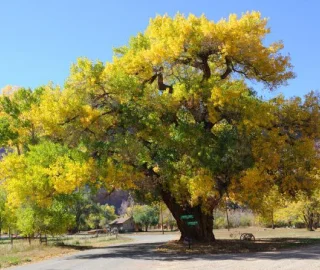
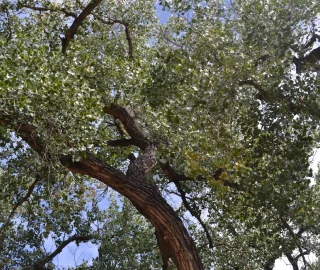
Cottonwood Species
Fast Growth Rate
Wildlife Habitat
Carbon Sequestration
Soil Stabilization
Water Conservation
Medicinal Uses
Air Quality Improvement
Historical Significance
Flood Mitigation
Community Engagement
Seasonal Beauty
FAQ
What is a Cottonwood tree?
Cottonwood trees are towering giants of the Populus genus, reaching heights of up to 150 feet. With broad, heart-shaped leaves and fluffy seeds, they provide habitat and food for wildlife while adding majesty to any landscape.
01
How fast do Cottonwood trees grow?
Cottonwood trees grow rapidly, sometimes up to 5 feet per year, making them ideal for quickly creating shaded areas or establishing greenery in landscapes.
02
What are the ecological benefits of Cottonwood trees?
Cottonwoods provide wildlife habitats, sequester carbon, stabilize soil, and conserve water. They are vital for biodiversity and contribute to climate change mitigation, making them ecological superheroes.
03
What role did Cottonwood trees play in Native American culture?
Native American tribes valued Cottonwoods for crafting tools, canoes, and homes. They symbolized resilience and served as landmarks, reflecting both practical and cultural significance.
04
How do Cottonwood trees improve air quality?
Cottonwoods act as natural air purifiers, absorbing pollutants such as sulfur dioxide and ammonia. Their leafy canopies trap dust and particulate matter, improving the overall air quality around them.
05
What medicinal uses do Cottonwood trees have?
The bark and leaves contain salicin, similar to aspirin, traditionally used to treat fevers and inflammation. Cottonwoods have long been valued for their natural healing properties.
06
How do Cottonwood trees help with flood mitigation?
Their extensive root systems absorb excess water, reducing the risk of flash floods and protecting riverbanks and infrastructure. They are vital natural flood control agents.
07
What is the significance of organizations like Grow Billion Trees Partners?
Organizations like Grow Billion Trees Partners lead tree-planting initiatives, engage communities, combat deforestation, and promote biodiversity through education and sustainable practices.
08
How do Cottonwood trees contribute to biodiversity?
By providing food and shelter, Cottonwoods support birds, insects, and mammals. They serve as nesting sites and sustenance sources, maintaining vibrant and healthy ecosystems.
09
What is the best environment for planting Cottonwood trees?
Cottonwoods thrive in riparian zones and disturbed soils, preferring sunny spots near water. These conditions make them excellent choices for reforestation projects and rapid landscape greening.
10
How can I get involved in tree planting initiatives?
You can volunteer, donate, or spread awareness through local initiatives and organizations like Grow Billion Trees Partners, helping create a greener planet and ensuring the growth of future Cottonwood generations.
11
Your Suggestions
Leave your message and we'll get back to you shortly.