


Jujube Tree: A Sweet Oasis of Subtropical Charm
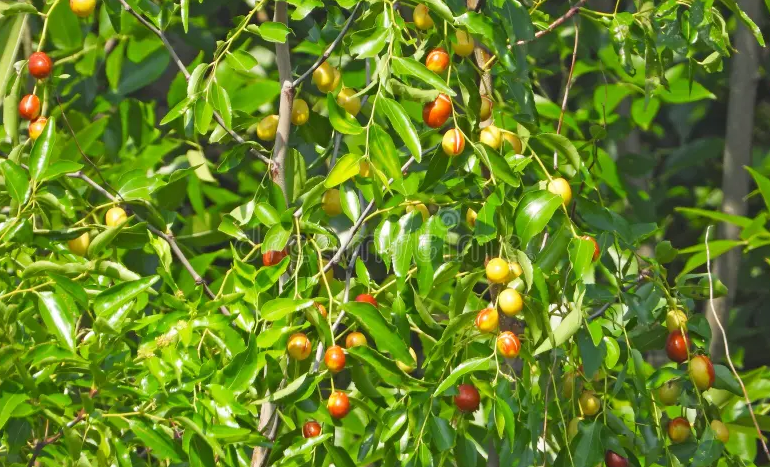
Unveiling the Jujube Tree: A Symbol of Sweet Abundance
Description: A Feast for the Senses
Habitat and Distribution: Flourishing in Diverse Climates
Cultural and Historical Significance: Roots Entwined with Tradition
Culinary Uses: A Delightful Culinary Treasure
Health Benefits: A Nutritional Powerhouse
Jujube Tree Benefits
Jujube Tree (Ziziphus jujuba)
Jujube Tree in Traditional Medicine
Jujube Tree Uses
Jujube Tree Cultivation
Jujube Tree Conservation
Jujube Tree Phytochemistry
Jujube Tree Cultural Significance
Jujube Tree Habitat
Jujube Tree Sustainable Practices
Conclusion: Celebrating the Sweet Legacy of the Jujube Tree
FAQ
What is the Jujube Tree?
The Jujube Tree, scientifically known as Ziziphus jujuba, is a small deciduous tree native to regions of Asia, including China, India, and the Middle East. Also known as the Chinese Date or Red Date, it bears small, sweet, and nutritious fruits that have been valued for centuries for their culinary, medicinal, and cultural significance.
01
What are the culinary uses of Jujube fruits?
Jujube fruits are consumed fresh or dried and are popular in various culinary traditions worldwide. They can be eaten as a snack, added to desserts, used in jams, preserves, and baked goods, or brewed into teas and beverages, imparting a sweet and tangy flavor.
02
How are Jujube fruits beneficial for health?
Jujube fruits are nutrient-dense and contain essential vitamins, minerals, antioxidants, and dietary fiber. They support digestive health, boost immunity, regulate blood sugar levels, and promote overall well-being when incorporated into a balanced diet.
03
Can Jujube leaves and bark be used medicinally?
Yes, Jujube leaves, bark, and roots have been used in traditional medicine systems such as Traditional Chinese Medicine (TCM) and Ayurveda for their therapeutic properties. They are utilized to treat ailments such as insomnia, anxiety, digestive disorders, and skin conditions.
04
Is Jujube cultivation environmentally sustainable?
Jujube cultivation is generally environmentally sustainable, as the tree is well-adapted to diverse soil and climatic conditions and requires minimal inputs such as water and fertilizers. Its deep root system helps prevent soil erosion and improves soil structure.
05
What are the different varieties of Jujube fruits?
There are numerous cultivars of Jujube fruits, varying in size, shape, color, and flavor. Some popular varieties include Li, Lang, Honey Jar, and Sherwood, each with unique characteristics suited for different climates and culinary purposes.
06
Can Jujube fruits be used in herbal remedies?
Yes, Jujube fruits are used in herbal remedies and traditional medicine formulations to promote relaxation, improve sleep quality, and alleviate stress and anxiety. They are often combined with other herbs to enhance their therapeutic effects.
07
How does Jujube cultivation contribute to biodiversity?
Jujube cultivation supports biodiversity by providing habitat and food for pollinators, birds, and other wildlife species. The tree's flowers attract bees, butterflies, and beneficial insects, contributing to ecosystem health and ecological balance.
08
Are there any cultural traditions associated with Jujube fruits?
Yes, Jujube fruits hold cultural significance in various regions and are incorporated into festivals, ceremonies, and culinary traditions. They symbolize prosperity, fertility, and longevity and are often exchanged as gifts during special occasions.
09
Can Jujube fruits be preserved for long-term storage?
Yes, Jujube fruits can be preserved for long-term storage by drying or curing them. Dried Jujubes retain their sweet flavor and nutritional benefits and can be stored for extended periods, making them a convenient snack or ingredient in cooking.
10
Is Jujube fruit consumption suitable for everyone?
While Jujube fruits are generally safe for consumption, individuals with allergies or sensitivities to certain fruits should exercise caution. It is advisable to consume Jujubes in moderation as part of a balanced diet.
11
How are Jujube trees propagated?
Jujube trees are commonly propagated through seeds, cuttings, or grafting onto rootstocks. Seed propagation is straightforward, but cultivars are typically propagated through vegetative methods to maintain desirable traits.
12
Your Suggestions
Leave your message and we'll get back to you shortly.