

Saja Tree
Saja Tree: Revealing the Hidden Treasures and Healing Powers of Nature’s Timeless Guardian
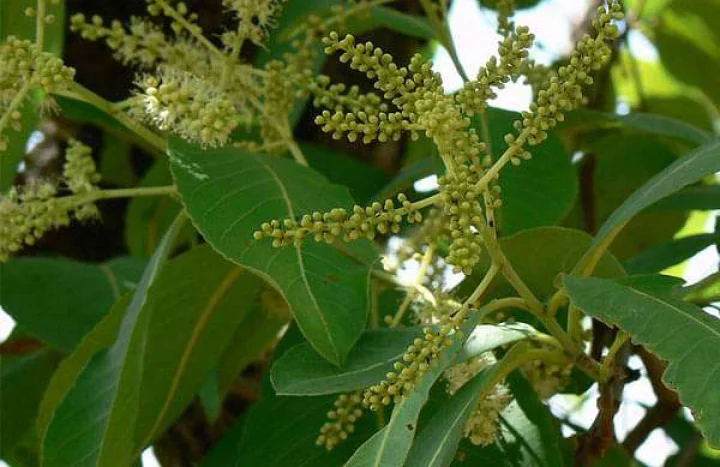
Saja Tree: Revealing the Hidden Treasures and Healing Powers of Nature
1. Common Name and Scientific Name
2. Description
3. Habitat and Distribution
4. Ecological Significance
5. Historical and Cultural Significance
6. Fun Facts
7. Growing and Caring for Saja Trees
8. Role of Grow Billion Trees Partners
Conclusion
Saja Tree Benefits: Nature’s Timeless Guardian
Biodiversity Champion
Medicinal Marvel
Cultural Icon
Reforestation Hero
Environmental Role
Sustainable Timber
Modern Applications
Soil and Ecosystem Support
Shade Provider
What is the Saja Tree?
The Saja Tree, or Terminalia tomentosa, is a large deciduous tree known for its durable timber, medicinal properties, and ability to support healthy ecosystems. Native to India and Southeast Asia, it thrives in dry and tropical forests.
Why is the Saja Tree called nature’s timeless guardian?
Its ability to heal wounds, enrich soil, and support biodiversity makes the Saja Tree a symbol of resilience and generosity in nature. It preserves ecological balance while providing resources for communities.
What are the medicinal uses of the Saja Tree?
Its bark, leaves, and seeds are traditionally used to treat wounds, digestive disorders, inflammation, and skin ailments, making it a natural remedy powerhouse validated by centuries of Ayurvedic practice.
How does the Saja Tree benefit the environment?
Its deep roots prevent soil erosion, while the canopy provides shelter for wildlife. The tree supports biodiversity, absorbs carbon dioxide, and contributes to ecosystem restoration, making it vital for climate resilience.
Can the Saja Tree thrive in tough conditions?
Absolutely! The Saja Tree adapts well to poor soils, drought conditions, and dry tropical climates, making it ideal for reforestation and degraded lands.
Why is the Saja Tree significant in sustainable forestry?
Its durable, pest-resistant timber reduces the demand for less sustainable materials. Planting Saja Trees promotes eco-friendly forestry practices and provides resources for local communities.
What are the modern applications of the Saja Tree?
Its wood is used for furniture, flooring, and construction, while bark extracts are studied for pharmaceutical and cosmetic uses, showcasing the tree’s versatility in contemporary industries.
Why should we conserve the Saja Tree?
Habitat loss and deforestation threaten its population. Conservation ensures that the Saja Tree continues to provide ecological, medicinal, and cultural benefits for generations to come.
How do I grow and care for Saja Trees?
Plant in well-drained, organic-rich soil with plenty of sunlight. Young trees require regular watering, while mature trees are drought-tolerant. Occasional pruning and organic fertilization support healthy growth.
What are the ecological contributions of the Saja Tree?
By stabilizing soil, providing shelter for wildlife, and supporting biodiversity, the Saja Tree strengthens ecosystems. Its carbon absorption helps mitigate climate change, making it a keystone species in environmental restoration.
What are the ideal conditions for planting Saja Trees?
Choose well-drained, loamy or sandy soil with ample sunlight. Ensure adequate water for young saplings, while mature trees can tolerate drought. These trees adapt well to a variety of climates and soil conditions.
Your Suggestions
Leave your message and we'll get back to you shortly.