


Fig Tree
Fig Tree: Verdant Guardian of Mediterranean Landscapes
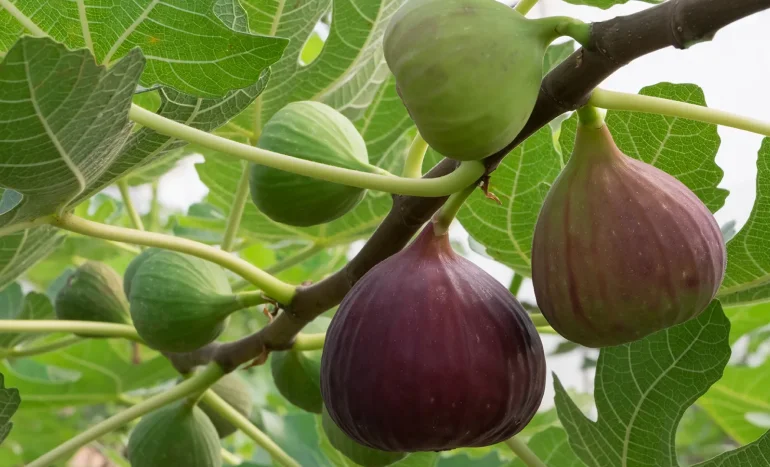
Taxonomy and Botanical Features
Historical and Cultural Significance
Medicinal Properties and Traditional Uses
Agricultural Applications
Modern Scientific Research
Environmental Impact and Sustainability
Economic Importance
Conservation Status and Future Prospects
Conclusion
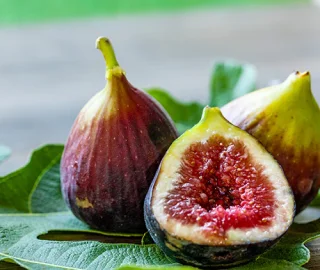
Fig Tree Facts
Fig Tree Care
Fig Tree Fruit Production
Fig Tree Culinary Uses
Fig Tree Medicinal Uses
Fig Tree Symbolism
Fig Tree Habitat
Fig Tree Growth Rate
Fig Tree Pruning
Fig Tree Flowering Season
Fig Tree Leaf Characteristics
Fig Tree Root System
Fig Tree Wildlife Habitat
Fig Tree Soil Requirements
Fig Tree Pest and Disease Management
Fig Tree Root Pruning
Fig Tree Indigenous Knowledge
Fig Tree Ethnobotany
Fig Tree Cultivars
FAQ
What is a Fig tree?
The Fig tree, scientifically known as Ficus carica, is a deciduous tree or shrub native to the Mediterranean region and western Asia. Renowned for its sweet, pear-shaped fruits called figs, Fig trees hold cultural, culinary, and horticultural significance worldwide.
01
Where are Fig trees commonly found?
Fig trees are commonly found in Mediterranean climates, including regions of southern Europe, North Africa, the Middle East, and western Asia. They thrive in warm, sunny locations with well-drained soil and are often cultivated for their delicious fruits and ornamental value.
02
What are the characteristics of Fig trees?
Fig trees are characterized by their large, lobed leaves, gnarled branches, and unique fruit structures called syconia, which contain numerous tiny flowers inside. They produce figs that vary in color from green to purple or black, depending on the cultivar, and have a sweet, honey-like flavor when ripe.
03
How tall do Fig trees grow?
Fig trees can vary widely in size, ranging from small shrubs to large trees, depending on the cultivar and growing conditions. They typically reach heights of 3-10 meters (10-33 feet) tall, with a spreading canopy and dense foliage.
04
What is the scientific name of the Fig tree?
The scientific name of the Fig tree is Ficus carica, belonging to the family Moraceae. The genus name "Ficus" is derived from the Latin word for fig, while the species epithet "carica" refers to its origin in Caria, an ancient region of Anatolia (modern-day Turkey).
05
When do Fig trees bear fruit?
Fig trees typically bear fruit in summer or early autumn, depending on the cultivar and local climate conditions. The fruiting period may vary, with some varieties producing two crops per year: a breba crop in spring and a main crop in summer or autumn.
06
How to care for Fig trees?
To care for Fig trees, plant them in well-drained soil in a sunny location with protection from strong winds. Provide regular watering, especially during the growing season, and mulch around the base of the tree to retain moisture and suppress weeds. Prune as needed to remove dead or diseased branches and promote fruit production.
07
What are the benefits of planting Fig trees?
Planting Fig trees offers several benefits, including providing delicious, nutritious fruits for fresh consumption, drying, or cooking, enhancing landscape aesthetics with their attractive foliage and gnarled branches, and attracting wildlife such as birds and pollinators.
08
Are Fig trees suitable for urban environments?
Fig trees are well-suited for urban environments, where they provide shade, food, and beauty to city landscapes. They can be planted in gardens, parks, and green spaces, where their low maintenance requirements and ornamental value are appreciated.
09
How to propagate Fig trees?
Fig trees can be propagated from seeds, cuttings, or air layering. Collect ripe figs from mature trees and extract the seeds for planting. Alternatively, take hardwood cuttings from healthy, mature trees or encourage root formation on a branch using air layering techniques.
10
What are the common pests and diseases affecting Fig trees?
Common pests affecting Fig trees include fig beetles, fig borers, and fig mites, while diseases such as fig rust, fig mosaic virus, and fig canker can also occur. Proper monitoring and integrated pest management practices can help prevent and manage pest and disease problems.
11
Can Fig trees tolerate drought?
Fig trees have good drought tolerance once established but benefit from regular watering during dry periods, especially when fruiting. Mulching around the base of the tree helps retain soil moisture and regulate soil temperature, promoting healthy growth and fruit production.
12
How long does it take for a Fig tree to mature?
It typically takes 3-5 years for a Fig tree to reach maturity and start producing significant fruit yields. However, some varieties may bear fruit earlier, while others may take longer depending on growing conditions, cultivar characteristics, and management practices.
13
Are Fig trees deciduous?
Yes, Fig trees are deciduous, meaning they shed their leaves seasonally in response to environmental cues such as changes in temperature and daylight. The leaves turn yellow or reddish before falling off, creating a colorful spectacle in the landscape.
14
Can Fig trees be grown in pots?
Fig trees are well-suited for container cultivation, especially dwarf or patio varieties, which can thrive in pots on balconies, patios, or terraces. Use a well-draining potting mix, provide regular watering and fertilization.
15
Your Suggestions
Leave your message and we'll get back to you shortly.