


Aak Tree
Aak Tree: Unlocking the Ancient Secrets of Nature's Healing Power
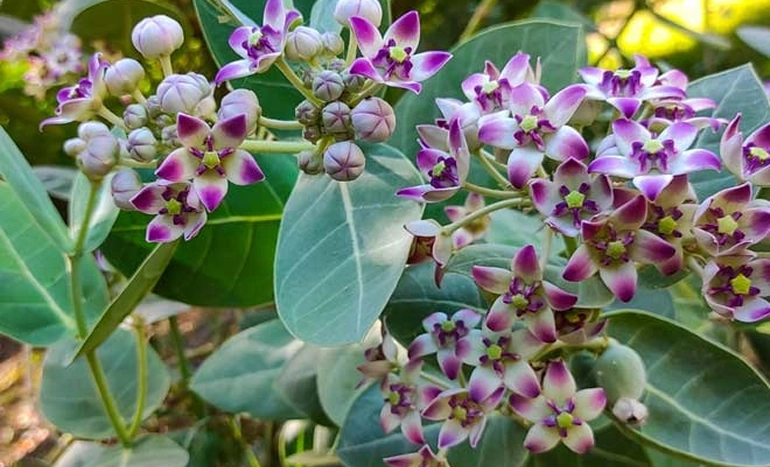
Aak Tree: A Botanical Marvel
- Scientific Name: Calotropis procera
- Family: Apocynaceae
- Genus: Calotropis
- Common Names: Giant Milkweed, Sodom Apple, Madar
Historical Significance and Traditional Uses
Medicinal Properties Backed by Science
Key Chemical Constituents:
- Cardenolides: Potent cardiac glycosides that have therapeutic effects on heart-related conditions.
- Flavonoids: Antioxidants that protect cells from damage.
- Alkaloids: Compounds with anti-inflammatory and analgesic properties.
- Saponins: Known for their antimicrobial and immune-boosting effects.
Health Benefits
- Wound Healing: The latex of the Aak tree accelerates wound healing by promoting tissue regeneration and preventing infections.
- Antibacterial and Antifungal Properties: Studies have shown that Aak extracts can inhibit the growth of harmful bacteria and fungi.
- Respiratory Relief: Aak leaves are used in steaming to relieve asthma and bronchitis symptoms.
- Pain Management: The plant's compounds act as natural pain relievers.
- Anti-inflammatory Effects: Effective in reducing swelling and inflammation caused by arthritis or injuries.
Environmental Impact of the Aak Tree
Ecological Benefits:
- Soil Stabilization: Aak helps prevent soil erosion in desert and semi-desert areas.
- Pollinator Attraction: The flowers attract bees, butterflies, and other pollinators, supporting biodiversity.
- Carbon Sequestration: Like all trees, Aak contributes to carbon capture, mitigating the effects of climate change.
Cultural and Economic Importance
- Natural Fiber: The bark yields strong fibers used for making ropes, mats, and paper.
- Biopesticide: Aak latex is used as a natural pesticide, reducing the need for chemical alternatives.
- Alternative Medicine: Increasing demand for natural remedies has boosted the economic value of Aak-based products.
Precautions and Risks
How to Harness the Healing Power of Aak
- Topical Application: The latex can be applied to warts, cuts, and insect bites (diluted).
- Smoke Therapy: Burning dried Aak leaves is believed to clear respiratory passages.
- Infusions and Decoctions: Aak flowers and roots are boiled to create medicinal teas for specific ailments.
Promising Research and Future Potential
Conserving the Aak Tree: A Call to Action
Conclusion
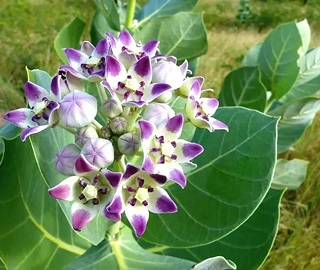
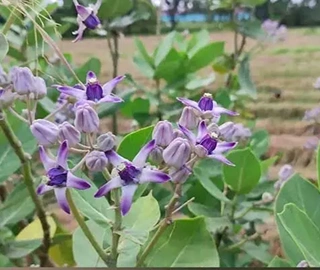
Aak Tree Benefits
Calotropis Procera Medicinal Uses
Aak Tree and Ayurveda
Aak Tree Latex Uses
Aak Tree Health Benefits
Traditional Uses of Aak Tree
Aak Tree for Skin Problems
Environmental Benefits of Aak Tree
Aak Tree in Religious Practices
Aak Tree Flower Benefits
Aak Tree in Modern Research
Aak Tree as Biopesticide
FAQ
What is the Aak tree?
The Aak tree, also known as Calotropis procera, is a hardy plant thriving in arid regions, celebrated for its medicinal properties, ecological benefits, and role in traditional medicine and rituals.
01
Why is the Aak tree called a healing powerhouse?
Packed with compounds like flavonoids and saponins, the Aak tree offers anti-inflammatory, antibacterial, and wound-healing benefits, making it nature's first-aid kit.
02
What are the traditional uses of the Aak tree?
From soothing respiratory issues to treating skin problems, the Aak tree has been a go-to remedy in Ayurveda and folk medicine for centuries.
03
Can the latex of the Aak tree be used medicinally?
Yes, Aak's milky latex treats warts, wounds, and infections but should be handled carefully due to its potency.
04
Is the Aak tree safe for everyone?
While beneficial, the Aak tree's latex and extracts can be toxic in large doses. Always consult a healthcare professional before use.
05
How does the Aak tree benefit the environment?
The Aak tree prevents soil erosion, attracts pollinators, and thrives in harsh climates, making it an ecological superstar in arid regions.
06
What are the religious associations of the Aak tree?
Revered in Hindu rituals, the Aak tree is associated with Lord Shiva and is often used in sacred offerings and ceremonies.
07
Can Aak flowers be used medicinally?
Absolutely! Aak flowers are known for their cooling and healing properties, often used in remedies for fevers, digestion, and skin issues.
08
What scientific studies back the Aak tree's benefits?
Research highlights the Aak tree's potential in treating ailments like inflammation, diabetes, and even cancer, validating its traditional medicinal use.
09
How can the Aak tree support sustainable living?
Its natural pesticide properties, soil-stabilizing abilities, and medicinal uses make the Aak tree a sustainable choice for agriculture and health.
10
What industries utilize the Aak tree?
Beyond medicine, the Aak tree provides fibers for ropes, natural pesticides, and biofuel potential, showcasing its economic versatility.
11
How does the Aak tree adapt to harsh environments?
With its deep roots, tolerance to saline soil, and ability to store water, the Aak tree is a desert survivor and a beacon of resilience.
12
Your Suggestions
Leave your message and we'll get back to you shortly.