


Jammi Chettu: The Tree of Life
Jammi Chettu: The Tree of Life
Common Name and Scientific Name
Description
Habitat and Distribution
Cultural and Historical Significance
Symbolism and Traditional Practices
Conservation and Sustainable Practices
In Conclusion
FAQ
What is a Jammi Chettu tree?
The Jammi Chettu also known as the Prosopis cineraria tree, is a species native to arid regions of India, Pakistan, and parts of the Middle East. It is a hardy, drought-resistant tree commonly found in sandy or rocky soils.
01
What are the characteristics of the Jammi Chettu tree?
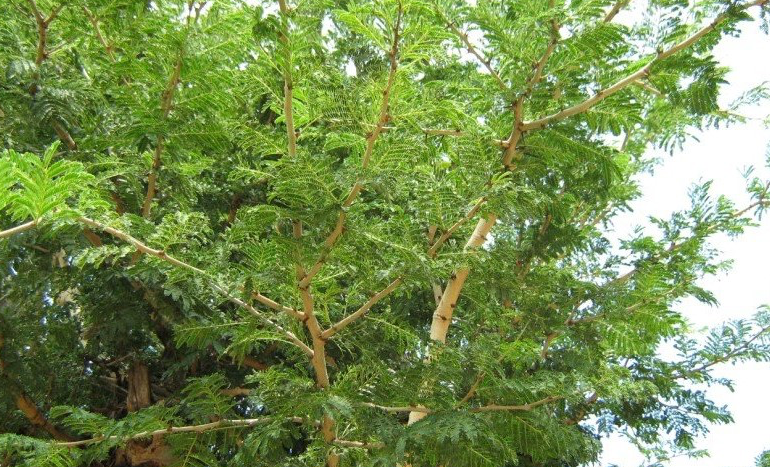
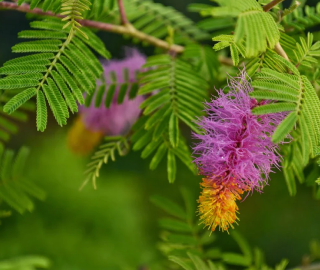
The Jammi Chettu tree is characterized by its thorny branches, small green leaves, and yellowish-green flowers. It typically grows to a medium height of around 3-5 meters.
02
What are the uses of the Jammi Chettu tree?
The Jammi Chettu tree has several uses- Fodder-Its leaves serve as valuable fodder for livestock during drought periods. Fuel- Its wood is used as fuel providing a reliable source of energy in rural areas. Traditional medicine-Various parts of the tree are used in traditional medicine for treating ailments such as dysentery and skin diseases. Soil conservation- Its deep root system helps prevent soil erosion in arid regions.
03
How do you propagate Jammi Chettu trees?
Jammi Chettu trees can be propagated through seeds. Seeds are collected from mature trees, soaked in water for a few hours, and then sown in prepared beds or directly in the ground during the rainy season. The tree is also propagated through root suckers.
04
Are there any environmental benefits of the Jammi Chettu tree?
Yes the Jammi Chettu tree provides several environmental benefits including- Soil stabilization-Its extensive root system helps bind soil particles together preventing erosion. Carbon sequestration- Like all trees Jammi Chettu trees absorb carbon dioxide from the atmosphere, helping mitigate climate change. Biodiversity- The tree provides habitat and food for various species of birds insects and small mammals.
05
Is the Jammi Chettu tree drought-resistant?
Yes the Jammi Chettu tree is well-adapted to arid and semi-arid environments and can withstand prolonged periods of drought. Its deep root system allows it to access water stored deep in the soil.
06
Are there any cultural or religious significance associated with the Jammi Chettu tree?
Yes in some regions, the Jammi Chettu tree holds cultural and religious significance. It is often associated with prosperity, resilience, and traditional rituals. In certain communities, the tree is considered sacred and is protected.
07
How can I care for a Jammi Chettu tree?
Once established Jammi Chettu trees require minimal care. However, providing occasional watering during dry spells can help young trees establish their root systems. Pruning may be necessary to remove dead or damaged branches and to shape the tree.
08
Are there any pests or diseases that affect Jammi Chettu trees?
While Jammi Chettu trees are generally resilient they may be susceptible to certain pests and diseases including pod borers, leaf miners, and fungal infections. Regular monitoring and appropriate management practices can help mitigate these issues.
09
Can I plant Jammi Chettu trees in my area?
Jammi Chettu trees are well-suited to arid and semi-arid regions with well-drained soils. If you live in such an area planting Jammi Chettu trees can provide numerous benefits including soil stabilization fodder for livestock and environmental conservation. However it's essential to consider local regulations and consult with experts to ensure the tree is suitable for your specific location.
10
Your Suggestions
Leave your message and we'll get back to you shortly.