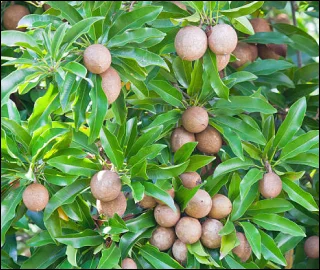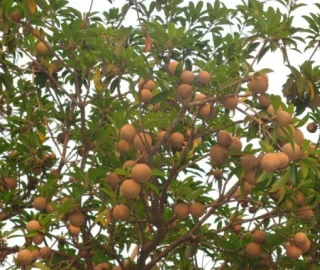

Sapodilla Tree: A Keystone of Ecological Balance
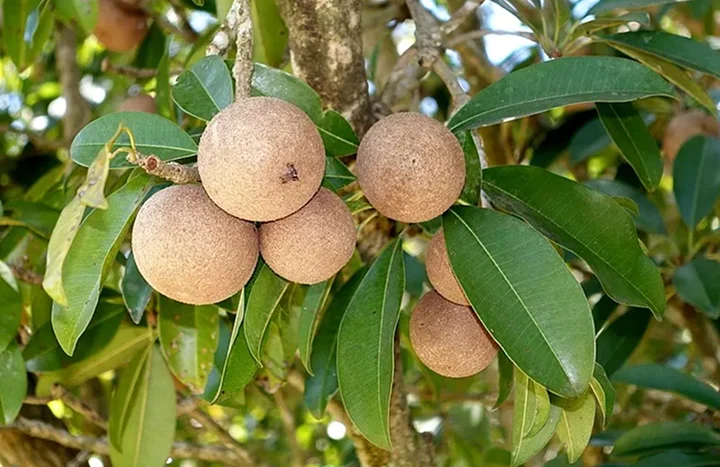
Aadusa Tree - Medicinal Plant

Sapodilla Tree: A Pillar of Ecological and Cultural Significance

The Sapodilla tree is a treasured species in tropical and subtropical regions, celebrated for its luscious fruit, multipurpose utility, and significant ecological role. Beyond providing a nutritious food source, this resilient tree supports local ecosystems, cultural traditions, and economic livelihoods, making it an indispensable part of the landscapes where it grows.

1. Botanical Marvel

Known scientifically as Manilkara zapota, the Sapodilla tree is a hardy evergreen that can reach heights of up to 30 feet. Its glossy green leaves and sweet, brown, fiber-rich fruits make it easily recognizable, while its adaptability allows it to thrive in diverse climates and soil conditions, from fertile lowlands to slightly arid regions.

2. Cultural Symbolism

Across many communities, the Sapodilla tree is more than just a source of fruit—it is a symbol of generosity and sustenance. Its offerings are often featured in local festivals, family celebrations, and traditional ceremonies, reflecting the deep cultural ties and communal pride associated with this tree.

3. Ecological Keystone

Ecologically, the Sapodilla tree plays a critical role in sustaining biodiversity. Its dense canopy and fruit provide food and shelter for birds, insects, and other wildlife. The tree’s extensive root system prevents soil erosion, stabilizes the land, and maintains the health of surrounding ecosystems, ensuring the environment remains balanced and productive.

4. Versatile Uses

The Sapodilla tree’s contributions extend beyond nutrition. Its latex, historically used to produce chicle, forms the base of natural chewing gum, while its durable wood is prized in carpentry, furniture-making, and handicrafts. This multipurpose nature makes the tree an invaluable resource for both local communities and industries.

5. Economic Importance

Sapodilla cultivation is a significant source of income for farmers and rural households. The sale of fresh fruit and chicle provides sustainable revenue, while the tree’s ability to flourish in less fertile soils enables small-scale, low-cost agricultural ventures. Its commercial value complements its ecological and cultural importance, creating a holistic benefit for communities.

6. Traditional Knowledge

For generations, indigenous peoples have nurtured and managed Sapodilla trees, passing down knowledge about optimal planting, care, and harvest methods. This traditional wisdom highlights the importance of sustainable practices and reinforces the connection between communities and their natural resources.

7. Environmental Sustainability

Incorporating Sapodilla trees into agroforestry systems enhances soil fertility, promotes biodiversity, and strengthens resilience against climate-related challenges. Thoughtful cultivation ensures that these trees contribute positively to long-term ecosystem stability, supporting both humans and wildlife.

8. Challenges and Opportunities

Despite its resilience, the Sapodilla tree faces threats from pests, diseases, and shifting climate patterns. These challenges also create opportunities for research into disease-resistant varieties, innovative farming techniques, and integrated pest management strategies to maintain productivity and tree health.

9. Community Empowerment

Cultivating and marketing Sapodilla trees empowers local communities by providing knowledge, resources, and economic opportunities. Access to training, improved planting material, and market support allows farmers to increase yields, explore new value chains, and strengthen social and economic cohesion.

10. Climate Resilience

With its adaptability and ecological benefits, the Sapodilla tree contributes to climate resilience strategies. Its ability to sequester carbon, prevent soil degradation, and maintain local biodiversity makes it a vital component in efforts to combat climate change and promote environmental health.

11. Consumer Awareness and Global Collaboration

Raising awareness about the nutritional, ecological, and economic benefits of the Sapodilla tree encourages responsible consumption and sustainable agricultural practices. Collaborative efforts among governments, NGOs, and local communities further enhance conservation, ensure knowledge transfer, and promote the global sustainability of this valuable species.

Conclusion

In summary, the Sapodilla tree is a remarkable natural asset, embodying nourishment, resilience, and ecological significance. From its delectable fruit to its economic and cultural contributions, it represents the profound connection between humanity and nature. By supporting sustainable cultivation, community engagement, and conservation efforts, we can secure the long-term benefits of this extraordinary tree for generations to come.

Aadusa Tree Leaves - Medicinal Properties
Aadusa Tree Plantation
logo
back top