


Stinking Cedar Tree
Stinking Cedar Tree: The Surprising Benefits and Unique Traits
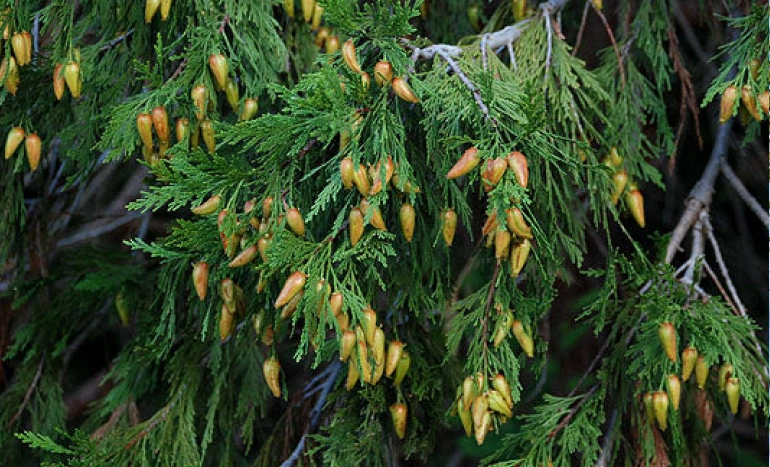
Unique Traits of the Stinking Cedar
Ecological Benefits
Historical Significance
Environmental Impact
Fun Facts About the Stinking Cedar
- Odor Characteristics: The strong odor of the Stinking Cedar is often described as a mix of turpentine and skunk. While this scent may be unpleasant to humans, it is a natural defense mechanism that protects the tree from pests.
- Longevity: Stinking Cedars are known for their longevity, with some specimens living for over 1,000 years. This long lifespan contributes to their ecological importance and carbon storage capabilities.
- Wood Quality: The wood of the Stinking Cedar is highly valued for its natural resistance to decay and insects. It is often used in construction, furniture-making, and even in crafting musical instruments.
- Medicinal Uses: Indigenous peoples have traditionally used parts of the Stinking Cedar for medicinal purposes, including treating respiratory ailments and skin conditions.
Grow Billion Trees Partners: Promoting Reforestation
- Community Involvement: Engaging local communities in tree planting initiatives fosters a sense of ownership and responsibility towards the environment. Grow Billion Trees Partners organizes workshops and events to educate communities about the benefits of trees and the importance of reforestation.
- Research and Monitoring: The organization collaborates with scientists and researchers to monitor the growth and health of planted trees. This data is essential for understanding the long-term impacts of reforestation efforts and ensuring the success of the projects.
- Partnerships: Collaborating with governmental and non-governmental organizations allows Grow Billion Trees Partners to leverage resources and expertise in executing large-scale reforestation projects. These partnerships enhance the reach and effectiveness of their initiatives.
How to Grow Stinking Cedar Trees
- Location: Choose a site with well-drained soil and full sun exposure. Stinking Cedars prefer slightly acidic to neutral soil conditions.
- Planting: Plant seedlings in the spring or fall. Ensure that the root ball is well-established before planting. Space trees at least 15 to 20 feet apart to allow for their mature size.
- Watering: While Stinking Cedars are drought-resistant, young trees will require regular watering until they are established. Water deeply but infrequently to encourage deep root growth.
- Pest Management: Monitor for pests and diseases. The natural odor of the tree helps deter many common pests, but occasional inspections are necessary.
Conclusion
Stinking Cedar Benefits
Native Habitat
Cultural Significance
Carbon Sequestration
Reforestation Efforts
Drought Resistance
Pest Deterrent
Longevity
Wood Quality
Medicinal Uses
Community Engagement
FAQ
What is the Stinking Cedar Tree?
The Stinking Cedar Tree, or Calocedrus decurrens, is a tall, fragrant conifer native to the western U.S. It thrives in mountainous regions and can grow up to 50 meters tall. Its pungent smell, while off-putting, serves as a natural pest deterrent, making it a unique and eco-friendly addition to landscapes.
13
Why is it called the Stinking Cedar?
The Stinking Cedar earned its name from the strong, pungent odor emitted by its foliage when crushed. While it may smell like a mix of turpentine and skunk to us, this scent acts as a natural defense mechanism, keeping herbivores and insects at bay. Nature's version of a "keep out" sign!
14
What are the ecological benefits of the Stinking Cedar?
This tree is an ecological superhero! It provides shelter for birds, food for small mammals, and enriches soil health through its slow-decomposing needles. Its extensive root system stabilizes the soil, preventing erosion and landslides. Talk about a multitasker in the ecosystem!
15
How does the Stinking Cedar contribute to climate change mitigation?
The Stinking Cedar is a champion at carbon sequestration. By absorbing carbon dioxide from the atmosphere, it helps combat climate change. With its impressive height and longevity, this tree captures and stores carbon effectively, making it a vital ally in our fight against global warming.
16
What is the historical significance of the Stinking Cedar?
Indigenous cultures have long revered the Stinking Cedar for its durable wood and aromatic foliage. Used for crafting tools, shelters, and ceremonial items, this tree symbolizes strength and resilience. Its cultural importance highlights the need to preserve this unique species and the traditions that honor it.
17
How does the Stinking Cedar support wildlife?
The Stinking Cedar is a wildlife haven! Its dense foliage provides nesting sites for birds, while its nutrient-rich seeds are a tasty treat for various small mammals and birds. By supporting biodiversity, the Stinking Cedar plays a crucial role in maintaining healthy ecosystems.
18
Can the Stinking Cedar survive drought conditions?
Absolutely! The Stinking Cedar is well-equipped to handle droughts thanks to its deep root system, which allows it to access groundwater. This resilience makes it an excellent choice for reforestation projects in areas facing climate change challenges. It's like the tree version of a survival expert!
19
How do I grow Stinking Cedar trees?
Growing Stinking Cedar trees is a breeze! Choose a sunny spot with well-drained soil, plant seedlings in spring or fall, and give them plenty of space to grow. While they're drought-resistant, young trees appreciate regular watering until they're established. Just remember, they like their space—no overcrowding!
20
What role does Grow Billion Trees Partners play in reforestation?
Grow Billion Trees Partners is on a mission to combat climate change by promoting tree planting and preservation, including the Stinking Cedar. Through community engagement and partnerships, they execute large-scale reforestation projects, ensuring that native species thrive and ecosystems remain balanced. They're the tree-planting superheroes we need!
21
What are some fun facts about the Stinking Cedar?
Its wood is prized for its natural decay resistance, and Indigenous peoples have used it for medicinal purposes. Plus, its odor is a natural pest repellent! This tree is full of surprises that make it truly remarkable.
22
How can I get involved in reforestation efforts?
Getting involved is easier than you think! Support organizations like Grow Billion Trees Partners through donations or volunteer opportunities. Participate in local tree-planting events, educate others about the importance of trees, and consider planting native species in your own garden. Together, we can make a difference!
23
Your Suggestions
Leave your message and we'll get back to you shortly.