


Yew Tree
Yew Tree Wonders: Unlocking the Secrets of Nature's Timeless Guardian
The Scientific Marvel of Yew Trees
Fun Facts About Yew Trees
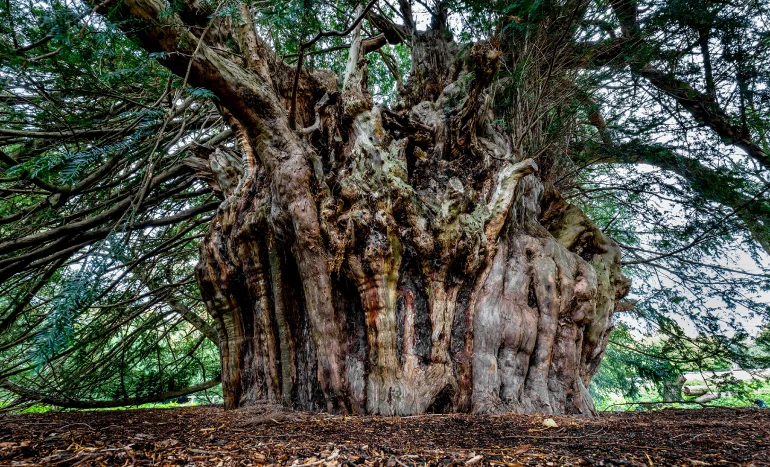
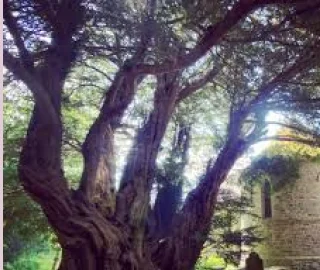
- Yew trees can live for over 2,000 years, with some specimens in the UK estimated to be over 3,000 years old.
- The Yew tree is highly toxic; all parts of the tree, except for the fleshy aril, contain alkaloids that can be lethal if ingested.
- Yew wood is incredibly dense and durable, making it a prized material for crafting longbows in medieval England.
- Yew trees have been associated with various mythologies and cultures, symbolizing immortality and resurrection.
Historical Significance of Yew Trees
Environmental Impact of Yew Trees
Conservation Efforts and Grow Billion Trees Partners
How Grow Billion Trees Partners Executes and Promotes Projects
Education
Community Engagement
Restoration
Conclusion: The Timeless Guardian
Yew Tree Longevity
Medicinal Marvels of Yew
Cultural Significance
Ecological Role
Yew Tree Folklore
Yew Tree Myths
Dioecious Nature
Yew Tree Habitat
Yew Tree Aesthetics
Yew Tree Growth
FAQ
What makes the yew tree so special?
The yew tree, or Taxus baccata, is a botanical marvel known for its longevity, medicinal properties, and cultural significance. With some living over 5,000 years, it's like the Gandalf of trees—wise, resilient, and full of secrets waiting to be uncovered!
01
Why are yew trees considered toxic?
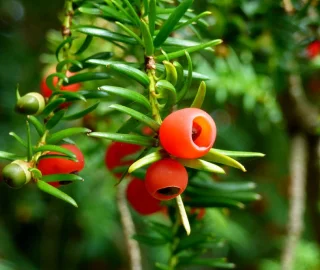
While birds enjoy the bright red arils, the rest of the yew tree is a no-go for humans and many animals due to alkaloids like taxine. Think of it as nature's way of saying, "Look, but don't touch!"
02
How do yew trees contribute to biodiversity?
Yew trees create unique microhabitats in ancient woodlands, supporting diverse flora and fauna. Their dense foliage offers shelter, while the berries provide winter snacks for birds. It's like hosting a wildlife party that no one wants to miss!
03
What is the historical significance of yew trees?
Yews have woven themselves into the tapestry of various cultures, symbolizing eternal life in ancient Britain. Found in churchyards and cemeteries, they embody themes of death and resurrection—talk about a tree with a dramatic backstory!
04
How do yew trees play a role in modern medicine?
The yew tree's bark contains paclitaxel, a powerful compound used in cancer treatment. So, while it may look like an ordinary tree, it's actually a hidden hero in the world of pharmacology—nature's very own pharmacy!
05
What are the main threats to yew trees?
Yew trees face habitat loss, climate change, and diseases that threaten their survival. It's like they're the ancient guardians of the forest, but even they need a helping hand to combat modern-day challenges!
06
How does Grow Billion Trees Partners help yew trees?
This organization is on a mission to plant billions of trees, including yews, to restore ecosystems. They engage communities, conduct research, and run awareness campaigns—basically, they're the superheroes of the tree-planting world!
07
How can I get involved in yew tree conservation?
You can roll up your sleeves and volunteer, donate to tree-planting initiatives, or even plant yews in your garden. Every little action counts, so channel your inner eco-warrior and join the fight for our leafy friends!
08
What unique growth characteristics do yew trees have?
Yews can reach heights of 20 meters but often sport a bushy, shrubby look. Their slow growth rate contributes to their impressive longevity, making them the tortoises of the tree world—slow and steady wins the race!
09
What role do yew trees play in local ecosystems?
Yew trees provide vital habitat and food for various wildlife, including birds and insects. Their dense foliage acts as a cozy shelter, while the berries offer a winter feast—talk about being the life of the ecosystem party!
10
Why should we care about yew tree conservation?
Conserving yew trees is crucial for maintaining ecological balance and biodiversity. As ancient guardians of our ecosystems, their survival ensures that future generations can enjoy their beauty and benefits—because who wouldn't want a wise old tree around?
11
Your Suggestions
Leave your message and we'll get back to you shortly.