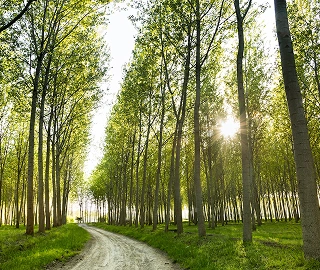

Black Poplar Tree: The Unsung Hero of Urban Landscapes and Eco-Friendly Living
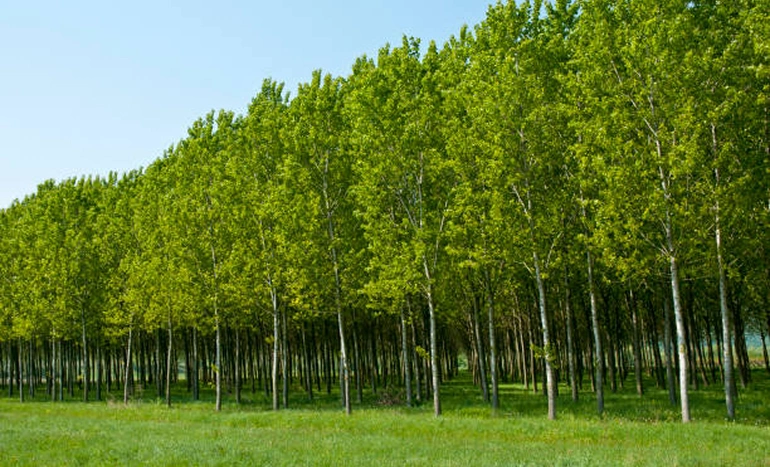
Aadusa Tree - Medicinal Plant

Black Poplar Tree: The Unsung Hero of Urban Landscapes and Eco-Friendly Living

The Black Poplar (Populus nigra) is a majestic deciduous tree native to Europe, Western Asia, and North Africa. Known for its dark furrowed bark and broad triangular leaves, this tree plays a vital role in enhancing urban landscapes, improving air quality, and supporting biodiversity.

In this guide, we explore the Black Poplar’s historical significance, environmental impact, urban benefits, and the efforts of organizations like Grow Billion Trees Partners to promote its cultivation.

Understanding the Black Poplar Tree

Black Poplars typically grow 15–30 meters tall with a pyramidal shape. Their vibrant yellow foliage in autumn, combined with adaptability to clay, loam, and sandy soils, makes them suitable for diverse urban environments.

Historical Significance

Historically, Black Poplars have been used for timber, fuel, and pulp for paper. Ancient Egyptians utilized the wood for boats and furniture, while Europeans planted them along rivers and roads for aesthetic appeal and soil stabilization.

Environmental Impact

Black Poplars improve air quality by absorbing pollutants like sulfur dioxide, ammonia, and nitrogen oxides. A mature tree can absorb up to 48 pounds of carbon dioxide per year. Additionally, they provide habitat for birds, insects, and small mammals, contributing to urban biodiversity.

Urban Benefits

  • Mitigates the urban heat island effect by providing shade and cooling through transpiration.
  • Enhances mental well-being by offering green spaces for relaxation and recreation.
  • Transforms concrete areas into aesthetically pleasing, serene environments.

Fun Facts About Black Poplar

  • Can live over 100 years.
  • Wood is lightweight and flexible, ideal for musical instruments like flutes and clarinets.
  • Can clone itself via branch rooting.
  • Symbolizes resilience and strength in various cultures.

Grow Billion Trees Partners: Promoting Black Poplar Planting

Grow Billion Trees Partners promotes Black Poplar planting through community education, volunteer events, and collaborations with schools, local governments, and environmental organizations. Their initiatives enhance urban green spaces, foster biodiversity, and empower communities to practice environmental stewardship.

Implementation Strategies

  • Site Selection: Choose locations with optimal sunlight, soil quality, and water access.
  • Community Engagement: Involve local residents to increase tree survival and foster care.
  • Education & Awareness: Conduct workshops on ecological benefits and biodiversity.
  • Partnerships: Collaborate with businesses and organizations to maximize impact.

Challenges and Solutions

Urban planting of Black Poplars faces challenges like pest and disease management and space limitations. Grow Billion Trees Partners addresses these by monitoring tree health and integrating plantings into parks, medians, and sidewalks for optimal survival and aesthetic appeal.

Conclusion

The Black Poplar tree is an unsung hero of urban landscapes, providing environmental, ecological, and social benefits. By supporting initiatives like those led by Grow Billion Trees Partners, we can ensure that future generations enjoy greener, healthier, and more vibrant cities.

Aadusa Tree Leaves - Medicinal Properties
Aadusa Tree Plantation

Black Poplar Tree: Benefits, Urban Importance, and Ecological Role

The Black Poplar (Populus nigra) is a tall, deciduous tree native to Europe, Western Asia, and North Africa. With its distinctive pyramidal shape, dark furrowed bark, and broad triangular leaves, it plays a vital role in urban landscapes, improving air quality, supporting biodiversity, and providing shade and beauty.

This guide covers the Black Poplar’s environmental benefits, historical significance, urban applications, and the role of organizations like Grow Billion Trees Partners in promoting its sustainable planting.

Key Benefits

  • Absorbs up to 48 pounds of carbon dioxide annually, helping combat climate change.
  • Provides shade and mitigates the urban heat island effect.
  • Supports wildlife by providing habitats for birds, insects, and small mammals.
  • Stabilizes soil and prevents erosion with its extensive root system.
  • Through transpiration, helps cool surrounding environments by releasing moisture into the air.

Urban Forestry

Black Poplars thrive in a variety of soils, making them ideal for city planting. Their striking appearance and vibrant autumn colors enhance urban aesthetics, while their ecological contributions help create sustainable green spaces in concrete landscapes.

Historical Uses

Revered since ancient times, Black Poplar wood was used by Egyptians for boats and furniture. In Europe, the trees were planted along rivers and roads for soil stabilization and aesthetic purposes. They have also served as timber for construction and paper production.

Wildlife Habitat

The Black Poplar is a natural urban refuge, providing shelter for birds and small mammals. Its flowers supply nectar for bees and other pollinators, contributing to healthy ecosystems and biodiversity in city environments.

Climate Change Mitigation

By absorbing pollutants such as sulfur dioxide, ammonia, and nitrogen oxides, and sequestering carbon dioxide, Black Poplars are effective allies in improving air quality and combating climate change in urban areas.

Community Engagement

Organizations like Grow Billion Trees Partners use Black Poplars to educate communities about urban forestry, organize tree-planting events, and foster environmental stewardship. Engaging locals ensures higher survival rates and promotes a greener, more sustainable city.

Aesthetic Appeal

With its pyramidal shape and vibrant fall colors, the Black Poplar transforms urban streets and parks into picturesque spaces. Its elegance makes it a popular choice for planners seeking both functional and beautiful green infrastructure.

Longevity

Black Poplars can live for over 100 years, providing long-term shade, beauty, and environmental benefits. Their longevity ensures that they continue to contribute to the urban landscape for generations.

Educational Value

Beyond environmental benefits, Black Poplars serve as educational tools. Programs run by organizations like Grow Billion Trees Partners teach communities about biodiversity, tree care, and urban forestry’s importance for sustainable living.

Conclusion

The Black Poplar is a versatile and eco-friendly tree that enhances urban landscapes, supports wildlife, and combats climate change. By planting and protecting these trees, communities can enjoy a healthier, greener, and more sustainable environment for years to come.

FAQs

What is the Black Poplar tree?

The Black Poplar (Populus nigra) is a tall, deciduous tree native to Europe, Western Asia, and North Africa. Known for its pyramidal shape and vibrant fall foliage, it enhances air quality and supports biodiversity in urban landscapes.

What are the historical uses of Black Poplar?

Ancient Egyptians used Black Poplar wood for boats and furniture, while Europeans planted it along rivers and roads to prevent erosion. It has been valued for timber, construction, and its aesthetic appeal in urban planning.

How does the Black Poplar improve air quality?

Black Poplar trees absorb pollutants like sulfur dioxide, ammonia, and nitrogen oxides, and can sequester up to 48 pounds of carbon dioxide per year, acting as a natural air purifier in urban areas.

What wildlife benefits from Black Poplar trees?

The tree provides shelter for birds, insects, and small mammals. Its flowers supply nectar for pollinators like bees, contributing to urban biodiversity and creating mini ecosystems in cities.

How do Black Poplar trees help in urban areas?

They provide shade, reducing the heat island effect, and cool the environment through transpiration, potentially lowering local temperatures by up to 10°F. Green spaces with these trees also improve mental well-being.

What initiatives are organizations like Grow Billion Trees Partners taking?

They plant Black Poplars, engage communities, organize tree-planting events, and collaborate with governments to create greener urban spaces. These initiatives promote environmental stewardship and sustainability.

What are the challenges of planting Black Poplar trees?

Challenges include pests, diseases, and limited space in urban environments. Organizations address this with monitoring systems, strategic planting, and community involvement to ensure healthy growth.

How long do Black Poplar trees live?

Black Poplar trees can live over 100 years, providing long-term environmental benefits, shade, and beauty for generations.

What is the significance of Black Poplar trees in combating climate change?

By sequestering carbon dioxide and improving air quality, Black Poplars help mitigate climate impacts. Planting them contributes to greener, healthier urban environments.

Can Black Poplar trees clone themselves?

Yes! If a branch takes root after breaking off, it can grow into a new tree. This natural cloning ensures species survival and resilience in urban landscapes.

logo
back top