


Drumstick Tree
Drumstick Tree: A Green Symphony of Nutrition and Sustainable Abundance
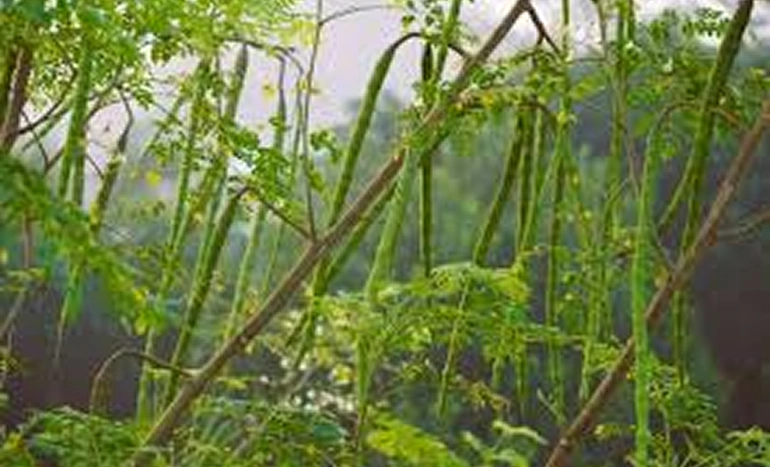
Taxonomy and Botanical Features
Historical and Cultural Significance
Medicinal Properties and Traditional Uses
Agricultural Applications
Modern Scientific Research
Environmental Impact and Sustainability
Economic Importance
Conservation Status and Future Prospects
Conclusion
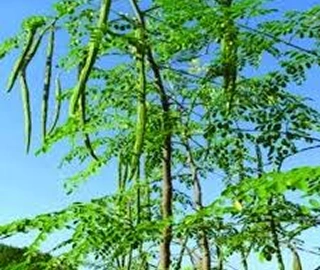
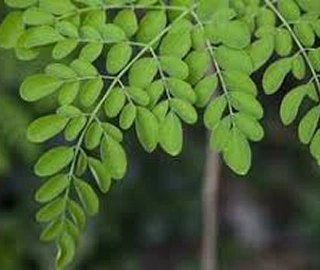
Drumstick Tree Overview
Botanical Profile of Drumstick Tree
Distribution of Drumstick Tree
Ecological Role of Drumstick Tree
Nutritional Value of Drumstick Tree
Medicinal Properties of Drumstick Tree
Culinary Uses of Drumstick Tree
Traditional Harvesting and Processing
Agroforestry and Farming Practices
Cultivation Techniques and Varieties
Value-Added Products and Industries
Market Trends and Economic Opportunities
Sustainable Management Practices
Research and Innovation
Climate Resilience and Adaptation
Biodiversity Conservation
Community Empowerment and Livelihoods
Policy Support and Regulatory Frameworks
Future Prospects and Challenges
Educational and Outreach Initiatives
FAQ
What is the Drumstick Tree?
The Drumstick Tree, scientifically known as Moringa oleifera, is a fast-growing, drought-resistant tree native to the Indian subcontinent. It is also commonly referred to as the Miracle Tree or Ben Oil Tree due to its numerous health benefits and various uses.
01
What are the Health Benefits of Drumstick Tree?
The Drumstick Tree is renowned for its nutritional value, as it is rich in vitamins, minerals, and antioxidants. Its leaves, pods, seeds, and flowers are all edible and contain essential nutrients such as vitamin C, vitamin A, potassium, calcium, and iron. Consumption of drumstick tree products is associated with improved immunity, digestion, and overall health.
02
How is Drumstick Tree Used in Cooking?
Various parts of the Drumstick Tree are used in cooking. The young pods, known as drumsticks, are often used in curries, stews, and soups, particularly in South Asian cuisine. The leaves can be cooked and used similarly to spinach or dried and ground into a powder for use as a nutritional supplement. Additionally, the seeds can be pressed to extract oil for cooking or medicinal purposes.
03
How is Drumstick Tree Used in Traditional Medicine?
Drumstick Tree has a long history of use in traditional medicine for its various therapeutic properties. It is believed to have anti-inflammatory, antimicrobial, and antioxidant effects. The leaves, seeds, and roots are used in herbal remedies to treat conditions such as arthritis, digestive disorders, diabetes, and high blood pressure.
04
How can I Grow Drumstick Tree?
Drumstick Tree is relatively easy to grow, thriving in warm climates with well-drained soil and plenty of sunlight. It can be grown from seeds or cuttings and requires regular watering, especially during the establishment phase. The tree is also tolerant of poor soil conditions and can be grown in containers or directly in the ground.
05
Are there any Side Effects or Precautions to Consider?
While Drumstick Tree is generally safe for most people when consumed in moderate amounts as food, some individuals may experience allergic reactions to its pollen or other parts. Additionally, pregnant women should avoid consuming large amounts of drumstick tree products, as they may have a potential effect on uterine contractions.
06
Can Drumstick Tree Help with Weight Loss?
Drumstick Tree is often included in weight loss diets due to its low calorie and high nutrient content. It is believed to promote satiety and support metabolism, making it a beneficial addition to a balanced diet and active lifestyle for weight management.
07
Is Drumstick Tree Environmentally Friendly?
Yes, Drumstick Tree is considered environmentally friendly due to its ability to thrive in harsh conditions and its multiple uses. It requires minimal water and can be grown in arid regions, providing food and economic opportunities for communities in need. Additionally, it is a nitrogen-fixing plant, which improves soil fertility and promotes biodiversity.
08
Where can I Buy Drumstick Tree Products?
Drumstick Tree products, such as leaves, powder, seeds, and oil, are available in health food stores, specialty grocery stores, and online retailers. Additionally, you can grow your own Drumstick Tree at home and harvest its leaves, pods, and seeds for personal use.
09
How can I Incorporate Drumstick Tree into my Diet?
You can incorporate Drumstick Tree into your diet by adding its leaves or powder to smoothies, soups, salads, or cooked dishes. You can also use its seeds or oil for cooking or as a nutritional supplement. Experiment with different recipes to find delicious ways to enjoy the health benefits of this versatile tree.
10
What are the health benefits of consuming Drumstick/Moringa?
Drumstick, also known as Moringa, offers a plethora of health benefits. It's packed with essential nutrients like vitamins, minerals, and antioxidants, promoting overall well-being. Rich in vitamin C, iron, and potassium, it boosts immunity, aids in blood purification, and maintains electrolyte balance. Moringa's high protein content supports muscle growth and repair, making it an excellent supplement for vegetarians and vegans. Moreover, its anti-inflammatory properties alleviate joint pain and reduce inflammation. Regular consumption can also regulate blood sugar levels, promoting better diabetes management.
11
How can Moringa be incorporated into daily diet?
Integrating Moringa into your daily diet is easy and versatile. You can enjoy its leaves raw in salads or cooked in soups, curries, or stir-fries. Moringa powder, derived from dried leaves, can be added to smoothies, juices, or sprinkled over meals. Alternatively, Moringa supplements in the form of capsules or tablets offer convenient consumption for those on-the-go.
12
Is Moringa cultivation environmentally sustainable?
Absolutely. Moringa trees thrive in diverse climates and require minimal water and maintenance, making them environmentally sustainable. Additionally, they enrich the soil with nutrients, prevent erosion, and provide habitat for beneficial organisms, contributing to ecological balance.
13
Can Moringa help in combating malnutrition?
Yes, Moringa is hailed as a 'superfood' for its dense nutritional profile. It can combat malnutrition by providing vital nutrients, especially in regions where food scarcity is prevalent. NGOs and government organizations often promote Moringa cultivation and consumption as part of nutrition intervention programs in impoverished areas.
14
Are there any side effects of consuming Moringa?
Generally, Moringa is safe for consumption when taken in recommended doses. However, excessive intake may lead to digestive issues such as diarrhea or stomach upset. Individuals on medications should consult a healthcare professional before incorporating Moringa into their diet, as it may interact with certain drugs.
15
How does Moringa benefit skin and hair health?
Moringa's antioxidant properties protect skin and hair from free radical damage, delaying aging signs like wrinkles and sagging skin. It promotes collagen production, enhancing skin elasticity and firmness. Moringa oil, extracted from seeds, moisturizes and nourishes the skin, preventing dryness and promoting a radiant complexion. When applied to hair, it strengthens follicles, reduces hair loss, and stimulates growth.
16
Is Moringa beneficial for weight management?
Yes, Moringa aids in weight management due to its low-calorie content, high fiber, and protein levels. It promotes satiety, reducing cravings and overeating. Additionally, its nutritional density ensures essential nutrients are supplied even in calorie-restricted diets, supporting overall health during weight loss journeys.
17
How does Moringa contribute to sustainable agriculture?
Moringa's fast-growing nature and resilience make it an ideal crop for sustainable agriculture. Its deep root system improves soil structure, enhancing fertility and reducing erosion. Moreover, Moringa leaves serve as a valuable organic fertilizer, enriching the soil with nitrogen and other essential nutrients, promoting sustainable crop production.
18
Can Moringa consumption alleviate menstrual discomfort?
Yes, Moringa's anti-inflammatory properties can alleviate menstrual discomfort such as cramps and bloating. Its high iron content helps replenish iron stores lost during menstruation, combating fatigue and weakness commonly associated with menstrual cycles.
19
Is Moringa safe for pregnant women?
While Moringa is rich in nutrients beneficial during pregnancy, pregnant women should consult healthcare providers before consuming it. Excessive intake may trigger uterine contractions, potentially leading to complications. However, when consumed in moderation, Moringa can supplement prenatal nutrition, supporting maternal and fetal health.
20
How does Moringa support heart health?
Moringa's antioxidant and anti-inflammatory properties support heart health by reducing cholesterol levels and preventing plaque buildup in arteries. It regulates blood pressure, promoting cardiovascular function and reducing the risk of heart diseases like atherosclerosis and hypertension.
21
Can Moringa consumption improve cognitive function?
Yes, Moringa is believed to enhance cognitive function due to its neuroprotective properties. It protects brain cells from oxidative stress and inflammation, potentially reducing the risk of neurodegenerative diseases like Alzheimer's and Parkinson's. Regular consumption may improve memory, focus, and overall cognitive performance.
22
Your Suggestions
Leave your message and we'll get back to you shortly.