


Kikar Tree
Kikar Tree: The Nature's Fortress
Common Name and Scientific Name
Description
Habitat and Distribution
Cultural and Historical Significance
Symbolism and Traditional Practices
Conservation and Sustainable Practices
Ecological Importance
Economic Utilization
Traditional Medicine
Spiritual Significance
Artistic Inspiration
Climate Resilience
Kikar Tree Facts
Kikar Tree Care
Kikar Tree Thorns
Kikar Tree Timber Uses
Kikar Tree Ecological Importance
Kikar Tree Medicinal Uses
Kikar Tree Symbolism
Kikar Tree Habitat
Kikar Tree Growth Rate
Kikar Tree Pruning
Kikar Tree Flowering Season
Kikar Tree Leaf Characteristics
Kikar Tree Root System
Kikar Tree Wildlife Habitat
Kikar Tree Soil Requirements
Kikar Tree Pest and Disease Management
Kikar Tree Root Pruning
Kikar Tree Indigenous Knowledge
Kikar Tree Ethnobotany
Kikar Tree Logging Practices
FAQ
What is a Kikar tree?
The Kikar tree, scientifically known as Acacia nilotica, is a thorny, deciduous tree native to the Indian subcontinent, Africa, and the Middle East. Renowned for its hardy nature, drought tolerance, and versatile uses, the Kikar tree holds cultural, economic, and ecological significance in various regions.
01
Where are Kikar trees commonly found?
Kikar trees are commonly found throughout the Indian subcontinent, including India, Pakistan, Nepal, and Bangladesh. They also occur in parts of Africa, the Middle East, and Southeast Asia, where they thrive in arid and semi-arid climates, often growing along riverbanks, plains, and disturbed habitats.
02
What are the characteristics of Kikar trees?
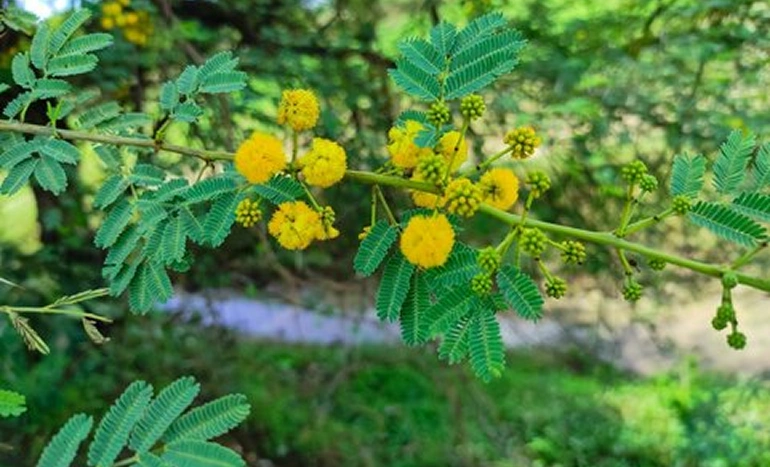
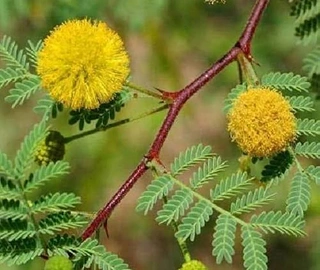
Kikar trees are characterized by their thorny branches, small, bipinnate leaves, and creamy-yellow flowers arranged in spherical clusters. They produce pods containing seeds that are rich in tannins and used for various purposes, including traditional medicine, animal fodder, and soil stabilization.
03
How tall do Kikar trees grow?
Kikar trees can grow to heights of 5-15 meters (16-49 feet) in favorable growing conditions. They have a spreading canopy and dense foliage, providing shade and habitat for wildlife in their native habitats.
04
What is the scientific name of the Kikar tree?
The scientific name of the Kikar tree is Acacia nilotica, belonging to the family Fabaceae. The genus name "Acacia" is derived from the Greek word "akis," meaning thorn, while the species epithet "nilotica" refers to its occurrence along the Nile River.
05
When do Kikar trees bloom?
Kikar trees typically bloom in spring, producing clusters of small, fragrant flowers that attract bees, butterflies, and other pollinators. The flowering period may vary depending on local climate conditions and environmental factors.
06
How to care for Kikar trees?
To care for Kikar trees, plant them in well-drained soil in a location with full sunlight. Provide regular watering, especially during the dry season, and mulch around the base of the tree to retain moisture and suppress weeds. Prune as needed to remove dead or diseased branches and promote healthy growth.
07
What are the benefits of planting Kikar trees?
Planting Kikar trees offers several benefits, including providing valuable timber for construction, fuelwood, and charcoal production, enhancing soil fertility through nitrogen fixation, and supporting local livelihoods through sustainable forest management practices.
08
Are Kikar trees suitable for urban environments?
Kikar trees are not commonly planted in urban environments due to their thorny branches and specific growing requirements. However, they can be used in parks, green spaces, and reforestation projects where their ecological value and drought tolerance are recognized.
09
How to propagate Kikar trees?
Kikar trees can be propagated from seeds or cuttings. Collect mature seeds from the tree during the fruiting season and sow them in containers filled with well-drained potting mix. Alternatively, take semi-hardwood cuttings from healthy, mature trees and root them in a rooting hormone solution.
10
What are the common pests and diseases affecting Kikar trees?
Common pests affecting Kikar trees include defoliating insects, aphids, and stem borers, while diseases such as powdery mildew and root rot can also occur. Proper forest management practices, including monitoring and integrated pest management, can help prevent and manage pest and disease problems.
11
Can Kikar trees tolerate drought?
Kikar trees have excellent drought tolerance once established but benefit from regular watering during their establishment phase. Once mature, they can withstand prolonged periods of drought and are often planted in arid and semi-arid regions for soil stabilization and reclamation purposes.
12
How long does it take for a Kikar tree to mature?
It typically takes several years for a Kikar tree to reach full maturity and attain its maximum height and canopy spread. However, they are relatively fast-growing compared to other hardwood species and can provide valuable ecosystem services within a few years of planting.
13
Are Kikar trees deciduous?
Yes, Kikar trees are deciduous, meaning they shed their leaves seasonally in response to environmental cues such as changes in temperature and daylight. The leaves turn yellow or reddish before falling off, creating a colorful spectacle in the forest.
14
Can Kikar trees be grown in pots?
Kikar trees are not suitable for container cultivation due to their large size and extensive root system. They require ample space for root development and are best planted directly in the ground in a spacious, well-drained location.
15
What is the significance of Kikar trees in landscaping?
Kikar trees are prized in landscaping for their ecological value, cultural significance, and economic potential. They are often used in reforestation projects, agroforestry systems, and restoration initiatives, where their multipurpose nature contributes to sustainable land management practices.
16
Are Kikar trees invasive?
Kikar trees are not considered invasive in most regions, as they are native to the Indian subcontinent and Southeast Asia. However, they may spread and naturalize in disturbed or degraded habitats, particularly in areas with favorable growing conditions.
17
How do you prune a Kikar tree?
Prune Kikar trees in late winter or early spring to remove dead or diseased branches, improve air circulation, and maintain shape. Use clean, sharp pruning tools and make cuts just outside the branch collar to promote rapid healing and minimize the risk of infection.
18
What is the lifespan of a Kikar tree?
The lifespan of a Kikar tree can vary depending on growing conditions, species, and management practices. In optimal conditions, Kikar trees can live for several decades, providing valuable ecosystem services and contributing to the biodiversity of tropical and subtropical forests.
19
Are Kikar trees protected species?
Kikar trees are not listed as protected species in most regions, although they may be subject to conservation efforts in their native range. Sustainable forest management practices and habitat preservation initiatives help ensure the continued existence of Kikar trees and their ecological importance in arid and semi-arid landscapes.
20
Your Suggestions
Leave your message and we'll get back to you shortly.