

Indian Rosewood Tree: A Symbol of Strength, Beauty, and Sustainability
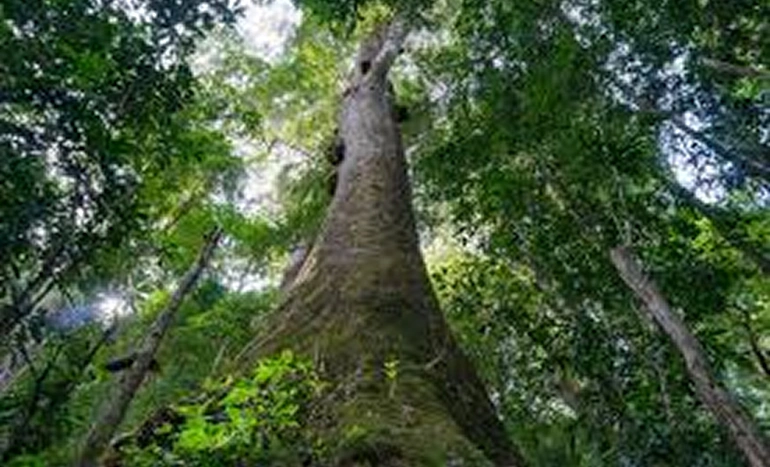
The Indian Rosewood tree, a towering symbol of strength and natural beauty, has long been admired for its durability and the high-quality timber it provides. Native to the Indian subcontinent, this tree is not only a prized resource for its wood but also plays an important role in traditional medicine and ecological sustainability.
Botanical Marvel
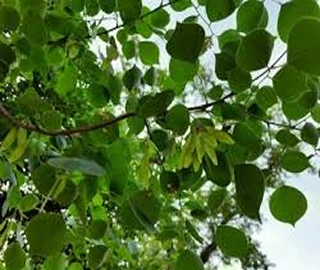
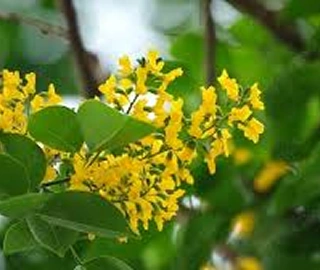
The Indian Rosewood tree, scientifically known as Dalbergia sissoo, is also called "Sheesham" in Hindi, "Sisu" in Bengali, and "Tali" in Punjabi. This large deciduous tree can grow up to 82 feet in height, with a wide-spreading crown and deep-rooted system. Its dense, reddish-brown heartwood is highly prized for its strength, making it one of the most valuable timber trees in South Asia.
Cultural Significance
For centuries, the Indian Rosewood tree has been revered for its role in traditional Indian craftsmanship. It is widely used in the production of furniture, carvings, and musical instruments, such as sitars and violins. In Ayurvedic medicine, the leaves, bark, and roots of the tree are used to treat various ailments, including skin diseases, respiratory issues, and fever, showcasing the tree's significance beyond its timber.
Ecological Importance
The Indian Rosewood tree plays a crucial role in maintaining ecological balance. Its extensive root system helps prevent soil erosion, making it an ideal tree for agroforestry and reforestation projects. The tree is also drought-tolerant, enabling it to thrive in arid and semi-arid regions, where it provides shade and habitat for wildlife, contributing to biodiversity in these environments.
Versatile Uses
Indian Rosewood is known for its versatility, especially in the timber industry. Its wood is used to make high-quality furniture, flooring, and paneling, known for its durability and resistance to termites. Additionally, the tree's leaves are used as fodder for livestock, and its bark and roots have been used in traditional medicine for centuries. The resin extracted from the tree is also used in varnishes and lacquers, further showcasing its multiple uses.
Economic Value
The Indian Rosewood tree is a cornerstone of the timber trade in India and surrounding regions. Its strong and durable wood is exported globally, providing a significant source of income for local communities. Sustainable management and cultivation of Rosewood have the potential to improve livelihoods, especially for rural farmers engaged in agroforestry practices.
Traditional Knowledge
Indigenous knowledge has played a vital role in the sustainable use of the Indian Rosewood tree. For generations, local communities have managed these trees to ensure they provide a renewable resource. This includes selective harvesting, replanting, and using every part of the tree for purposes ranging from medicine to construction, reflecting a deep understanding of its ecological and economic value.
Environmental Sustainability
The Indian Rosewood tree is a key species in sustainable forestry initiatives across South Asia. Its ability to grow in poor soils and harsh climates makes it essential for reforestation projects aimed at combating desertification and restoring degraded land. Incorporating Rosewood into agroforestry systems enhances soil fertility, water retention, and carbon sequestration, contributing to the global fight against climate change.
Challenges and Conservation
Despite its importance, the Indian Rosewood tree faces challenges such as illegal logging and over-exploitation for its valuable timber. However, conservation efforts are underway to promote sustainable harvesting practices and reforestation programs. Government policies and international regulations are being strengthened to ensure that the tree's populations are protected, while also providing opportunities for responsible trade and cultivation.
Community Engagement
Empowering local communities to take part in the conservation and sustainable management of Indian Rosewood trees can have far-reaching economic and environmental benefits. Through training and access to markets, farmers and craftspeople can benefit from sustainable timber production while ensuring the tree's long-term survival. Community-led conservation projects also promote awareness about the importance of protecting this valuable species.
Climate Adaptation
The Indian Rosewood tree's adaptability to different climatic conditions, especially its tolerance for dry and drought-prone areas, makes it an important species for climate adaptation strategies. As climate change continues to impact agriculture and forestry, the Rosewood tree's resilience and fast growth make it an ideal candidate for reforestation and sustainable timber production in areas facing environmental degradation.
Consumer Awareness
Educating consumers about the importance of sustainably sourced Rosewood can help reduce the pressure on wild populations. By choosing certified, sustainably harvested timber, consumers can support conservation efforts while still enjoying the beauty and durability of Rosewood products. Raising awareness about its ecological value will further contribute to the preservation of this species.
Global Efforts
International collaboration is essential for the sustainable use and conservation of Indian Rosewood trees. Governments, NGOs, and industry stakeholders must work together to enforce regulations on illegal logging, promote reforestation efforts, and support sustainable trade practices. By doing so, they can ensure that the benefits of this tree continue to be enjoyed by future generations without compromising its survival.
Conclusion
The Indian Rosewood tree is not only a pillar of the timber industry but also a vital player in ecological sustainability and cultural heritage. Its strength, beauty, and versatility make it an invaluable resource, supporting the livelihoods of millions while contributing to environmental restoration efforts.
However, the rising demand for its wood and the threats it faces from illegal logging highlight the importance of sustainable management practices. By embracing conservation efforts and responsible cultivation, we can ensure that the Indian Rosewood tree remains a renewable resource, offering its benefits to communities and ecosystems for generations to come.
Through global collaboration and consumer awareness, we have the opportunity to protect this majestic tree and preserve its legacy as a symbol of nature's resilience and human ingenuity.
Your Suggestions
Leave your message and we'll get back to you shortly.