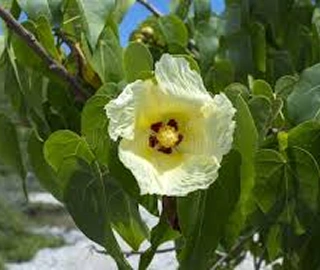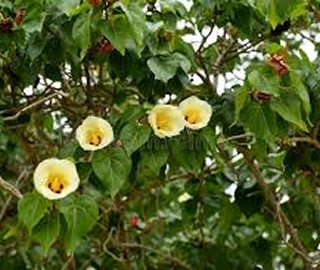


Indian Tulip: Unlocking the Secrets of Nature's Majestic Beauty and Benefits
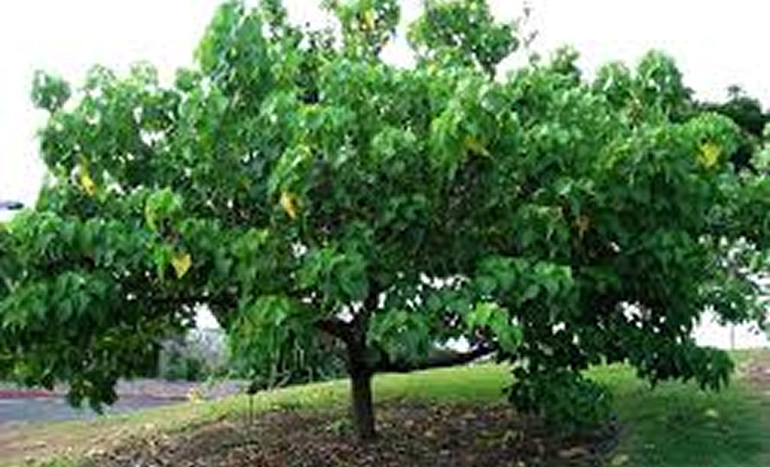
Indian Tulip Tree

The Indian Tulip, scientifically known as Paulownia tomentosa, is a magnificent species that has captivated nature enthusiasts, environmentalists, and horticulturists alike. Known for its stunning beauty and remarkable adaptability, this tree is a symbol of resilience and ecological significance.

The Botanical Marvel

The Indian Tulip Tree belongs to the family Paulowniaceae and is native to China, but it has found a welcoming home in various parts of India. This deciduous tree can grow up to 20-25 meters tall and boasts a trunk diameter of up to 1 meter. One of its most striking features is its large, heart-shaped leaves that can measure up to 30 cm in length. The tree's blossoms are equally impressive; they are trumpet-shaped, typically purple or lavender, and bloom in spring, creating a breathtaking spectacle that attracts pollinators like bees and butterflies.

Historical Significance

The Indian Tulip Tree has a rich history that dates back centuries. In ancient China, it was revered for its beauty and was often planted near temples and palaces. The tree is named after Anna Pavlovna, the wife of Tsar Nicholas II, who was fond of the tree's beauty. Its wood, known for being lightweight yet strong, was traditionally used for making furniture, musical instruments, and even canoes. The tree's rapid growth and ability to thrive in various soil conditions made it a favorite among farmers and landowners.

Ecological Benefits

The ecological benefits of the Indian Tulip Tree are manifold. As a fast-growing species, it plays a crucial role in reforestation efforts and combating deforestation. Here are some of the key environmental advantages:

  • Carbon Sequestration: The Indian Tulip Tree is known for its high carbon absorption rate. A mature tree can absorb approximately 22 kg of carbon dioxide annually, making it a valuable asset in the fight against climate change.
  • Soil Improvement: The tree's extensive root system helps prevent soil erosion and improves soil quality. Its leaves, when they fall, decompose and enrich the soil with nutrients, promoting a healthy ecosystem.
  • Biodiversity Support: The beautiful flowers of the Indian Tulip Tree attract various pollinators, while its foliage provides habitat and food for numerous species, contributing to local biodiversity.

Fun Facts About the Indian Tulip Tree

  • The Indian Tulip Tree is often called the "Princess Tree" due to its regal appearance and the association with royalty in its historical context.
  • Its flowers are not only beautiful but also fragrant, often likened to the scent of lilacs.
  • The tree can grow up to 10 feet in just one year under optimal conditions, making it one of the fastest-growing trees in the world.
  • In addition to its ornamental value, the wood of the Indian Tulip Tree is resistant to warping and cracking, making it ideal for various construction applications.

Growing and Caring for the Indian Tulip Tree

Growing an Indian Tulip Tree is relatively straightforward, making it an excellent choice for homeowners and land developers alike. Here are some key tips for successful cultivation:

  • Soil Requirements: The Indian Tulip Tree thrives in well-draining soils, rich in organic matter. It can tolerate a range of soil types, including sandy and loamy soils.
  • Sunlight: This tree prefers full sun, so it's essential to plant it in a location that receives at least six hours of direct sunlight each day.
  • Watering: While the tree is drought-resistant once established, regular watering during the first few years is crucial for healthy growth.
  • Pruning: Pruning is beneficial to maintain the tree's shape and remove any dead or diseased branches, promoting better air circulation and sunlight penetration.

The Role of Grow Billion Trees

Recognizing the importance of trees like the Indian Tulip Tree, organizations such as Grow Billion Trees have stepped up to promote afforestation and reforestation initiatives across India. Their mission is to plant a billion trees to combat climate change, enhance biodiversity, and improve air quality. Here's how they execute and promote their projects:

  • Community Engagement: Grow Billion Trees actively engages with local communities, educating them about the importance of tree planting and how it can benefit their environment and livelihoods.
  • Partnerships: The organization collaborates with schools, local governments, and non-profits to organize tree planting events, creating a sense of ownership and responsibility among participants.
  • Monitoring and Maintenance: Post-planting, Grow Billion Trees ensures that the saplings are monitored and maintained, increasing their survival rates and overall success of the projects.
  • Awareness Campaigns: Through social media, workshops, and community events, Grow Billion Trees raises awareness about the importance of trees and encourages individuals to participate in tree planting activities.

Economic Benefits

In addition to ecological advantages, the Indian Tulip Tree offers significant economic benefits. The wood is highly sought after in the timber industry due to its lightweight and durable nature. It is used in furniture making, cabinetry, and even in the production of musical instruments. Furthermore, the tree's ability to grow quickly allows for rapid returns on investment for farmers and landowners who choose to cultivate it. Moreover, the tree's aesthetic appeal makes it a popular choice for landscaping, increasing property values and enhancing the beauty of urban and rural environments alike.

Cultural Significance

The Indian Tulip Tree holds cultural significance in various regions of India. It is often associated with prosperity and good fortune. In some communities, it is planted during auspicious occasions, symbolizing growth and abundance. The tree's striking flowers are also used in traditional celebrations, adding a touch of natural beauty to festivities.

Challenges and Conservation Efforts

Despite its many charms, the Indian Tulip Tree faces some serious threats from urbanization and climate change. But fear not! Organizations like Grow Billion Trees are on a mission to preserve this majestic species. By advocating for sustainable practices and promoting the planting of native species, they're ensuring that this tree continues to thrive for generations to come.

Conclusion

The Indian Tulip Tree is more than just a pretty addition to our landscapes; it's a vital component of our ecosystem. With its numerous benefits, from carbon sequestration to economic value, it's an essential species in the fight against climate change. Through initiatives like those spearheaded by Grow Billion Trees, we can unlock the secrets of this majestic tree and ensure that future generations can enjoy its beauty and benefits. By planting trees, we are not just enhancing our environment; we are investing in a sustainable future for our planet.

Indian Cork Fig Fruits
Indian Cork Fig Tree

FAQ

What is the Indian Tulip Tree?

The Indian Tulip Tree, or Paulownia tomentosa, is a stunning deciduous tree native to China, thriving in India. With its large heart-shaped leaves and magnificent trumpet-shaped flowers, this tree not only beautifies landscapes but also serves as a beacon of ecological resilience and adaptability.

01

Why is it called the "Princess Tree"?

The Indian Tulip Tree earned the nickname "Princess Tree" due to its regal appearance and historical ties to royalty. Named after Anna Pavlovna, the wife of Tsar Nicholas II, this tree has graced temples and palaces, showcasing its beauty and charm throughout the ages.

02

What are the ecological benefits of the Indian Tulip Tree?

This fast-growing marvel excels in carbon sequestration, absorbing around 22 kg of CO2 annually. Its extensive root system prevents soil erosion, while its nutrient-rich fallen leaves enhance soil quality, creating a thriving ecosystem that supports biodiversity and attracts pollinators like bees and butterflies.

03

How fast does the Indian Tulip Tree grow?

Hold onto your hats! The Indian Tulip Tree can shoot up to 10 feet in just one year under optimal conditions. With such rapid growth, it's a favorite for those looking to quickly enhance their landscape or start reforestation efforts. Talk about a tree with ambition!

04

What kind of soil does the Indian Tulip Tree prefer?

The Indian Tulip Tree is a soil connoisseur, thriving in well-draining soils rich in organic matter. It's adaptable, tolerating sandy and loamy soils alike. Just ensure it's not drowning in water, and this beauty will flourish in your garden!

05

How much sunlight does the Indian Tulip Tree need?

This tree is a sun worshipper! It loves basking in full sunlight, needing at least six hours of direct sun each day. Plant it in a sunny spot, and watch as it grows tall and proud, brightening your landscape like a natural spotlight.

06

What role does Grow Billion Trees play?

Grow Billion Trees is on a mission to plant a billion trees, including the Indian Tulip Tree, to combat climate change and enhance biodiversity. They engage communities, organize tree planting events, and ensure saplings thrive, all while spreading awareness about the importance of our leafy friends.

07

What are the economic benefits of the Indian Tulip Tree?

The Indian Tulip Tree isn't just a pretty face; it's also an economic powerhouse! Its lightweight, durable wood is highly sought after for furniture and musical instruments. Plus, its rapid growth offers quick returns for farmers and landowners, making it a smart investment.

08

Is the Indian Tulip Tree culturally significant?

Absolutely! The Indian Tulip Tree is often associated with prosperity and good fortune in various Indian communities. It's commonly planted during auspicious occasions, symbolizing growth and abundance, while its striking flowers add a touch of natural beauty to celebrations and festivities.

09

What challenges does the Indian Tulip Tree face?

Despite its many virtues, the Indian Tulip Tree faces challenges like habitat loss and climate change. Urbanization and deforestation threaten its existence, making conservation efforts crucial. Organizations like Grow Billion Trees are championing sustainable practices to preserve this majestic species for future generations.

10

How can I help promote the Indian Tulip Tree?

Start by planting Indian Tulip Trees in your community and supporting organizations dedicated to environmental conservation. Spread the word about the tree's benefits and engage friends and family in tree planting initiatives. Together, we can nurture nature, one tree at a time!

11
logo
back top