


Tamarind Tree
Tamarind Tree: Unveiling the Rich Tapestry, Historical and Cultural Significance
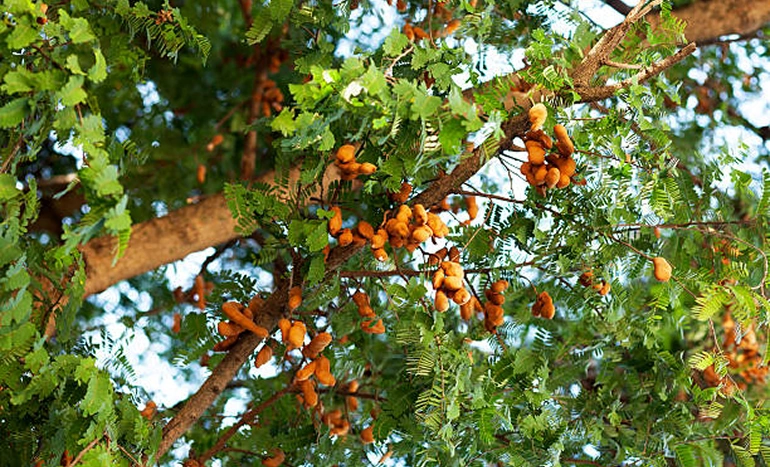
Taxonomy and Botanical Features
Historical and Cultural Significance
Medicinal Properties and Traditional Uses
Agricultural Applications
Modern Scientific Research
Environmental Impact and Sustainability
Economic Importance
Conservation Status and Future Prospects
Conclusion
References


Tamarind Benefits
Tamarind Cultivation
Tamarind Recipes
Tamarind Sauce
Tamarind Health Benefits
Tamarind Tree
Tamarind Paste
Tamarind Uses
Tamarind Fruit
Tamarind Tea
FAQ
What are the health benefits of consuming tamarind?
Tamarind offers a myriad of health benefits, including aiding digestion, promoting heart health, and boosting immunity. Rich in antioxidants and vitamins, tamarind helps combat inflammation and oxidative stress, reducing the risk of chronic diseases like diabetes and cardiovascular disorders.
1
How should tamarind be stored to maintain its freshness?
To preserve the freshness of tamarind, store it in a cool, dry place away from direct sunlight and moisture. You can also freeze tamarind pulp for long-term storage or keep it refrigerated in an airtight container for up to several weeks.
2
What culinary dishes can tamarind be used in?
Tamarind is a versatile ingredient that adds a tangy twist to a wide range of culinary dishes. It is commonly used in sauces, marinades, curries, chutneys, beverages, and desserts, enhancing the flavor profile with its unique sweet-sour taste.
3
How is tamarind harvested and processed?
Tamarind pods are harvested when they are fully ripe and have turned brown. The pods are then cracked open to extract the pulp, which is sun-dried or processed into concentrate or paste. The processed tamarind products are packaged and distributed for commercial and culinary use.
4
What is the nutritional value of tamarind?
Tamarind is a nutrient-rich fruit, containing essential vitamins, minerals, and antioxidants. It is particularly high in vitamin C, B vitamins, calcium, potassium, and iron, making it a valuable addition to a balanced diet.
5
How does tamarind contribute to sustainable agriculture?
Tamarind trees play a vital role in sustainable agriculture by providing shade, enriching the soil with nitrogen-fixing bacteria, and supporting biodiversity. Tamarind cultivation also generates income for rural communities and helps preserve traditional agroforestry practices.
6
What are the different varieties of tamarind grown in India?
India is home to several varieties of tamarind, including Salem, Vellore, Goa, and Coimbatore. Each variety has its unique flavor profile, size, and texture, catering to diverse culinary preferences and regional cuisines.
7
Can tamarind be used as a natural remedy for common ailments?
Yes, tamarind has been used in traditional medicine for centuries to treat various ailments, including digestive issues, sore throat, fever, and inflammation. Tamarind contains compounds like polyphenols and flavonoids, which possess antioxidant and anti-inflammatory properties, making it a valuable natural remedy.
8
What is the role of tamarind in Indian culture and cuisine?
Tamarind holds a special place in Indian culture and cuisine, where it is revered for its distinctive flavor and medicinal properties. It is used in traditional dishes like sambar, rasam, and chutneys, as well as in Ayurvedic medicine and religious rituals.
9
How does tamarind contribute to biodiversity conservation?
Tamarind trees provide habitat and food for a diverse range of wildlife, including birds, insects, and small mammals. By preserving tamarind forests and promoting sustainable cultivation practices, we can safeguard biodiversity and ecosystem health for future generations.
10
What are the environmental benefits of tamarind cultivation?
Tamarind cultivation helps mitigate climate change by sequestering carbon dioxide from the atmosphere and reducing soil erosion. Tamarind trees also play a crucial role in watershed management, improving water quality and regulating hydrological cycles in arid and semi-arid regions.
11
How can I incorporate tamarind into my daily diet?
You can incorporate tamarind into your daily diet by adding it to savory dishes like curries, soups, and stir-fries, or using it to make tangy sauces, marinades, and beverages. Tamarind can also be enjoyed as a refreshing snack or dessert when combined with sugar or jaggery. Experiment with different tamarind recipes to discover new and delicious ways to enjoy this versatile fruit.
12
Your Suggestions
Leave your message and we'll get back to you shortly.