


Japanese Holly Tree: The Ultimate Guide to Cultivating This Stunning Evergreen in Your Garden
Characteristics of the Japanese Holly Tree
Growing Conditions
Soil
Light
Water
Temperature
Planting the Japanese Holly Tree
Maintenance Tips
Pruning
Fertilizing
Pest and Disease Control
Winter Protection
Environmental Impact
Fun Facts About Japanese Holly
Historical Significance
Grow Billion Trees Initiative
Conclusion
Japanese Holly Care
Japanese Holly Pruning
Japanese Holly Fertilizing
Japanese Holly Wildlife Benefits
Japanese Holly Environmental Impact
Japanese Holly Historical Significance
Japanese Holly Planting Tips
Japanese Holly Adaptability
Japanese Holly Berry Facts
Japanese Holly Landscape Use
Japanese Holly Community Involvement
FAQ
What is the Japanese Holly Tree?
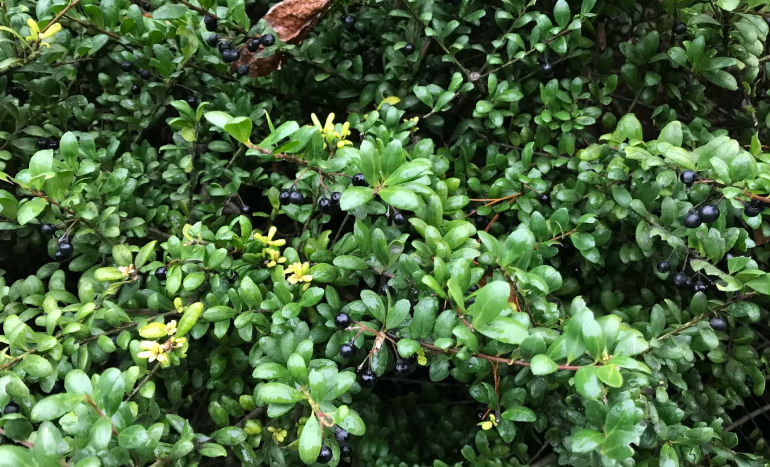
Japanese Holly Tree, or Ilex crenata, is an evergreen shrub native to East Asia, known for its dense, glossy foliage and adaptability. Growing between 5 to 15 feet tall, it's a favorite among gardeners for hedges and borders, offering beauty and ecological benefits in any landscape.
01
What are the ideal growing conditions for Japanese Holly?
Japanese Holly thrives in well-drained, loamy soil with a pH between 5.5 and 7.0. It prefers partial shade to full sun, though too much direct sunlight can scorch its leaves. Consistent moisture is key, especially in its early years, while USDA zones 5 to 9 are its comfort zones.
02
How do I plant a Japanese Holly Tree?
Timing is everything! Plant your Japanese Holly in spring or fall when temperatures are moderate. Prepare a hole twice the size of the root ball, place the tree in, and backfill with soil. Water thoroughly and apply mulch to keep moisture in. Easy as pie, right!
03
How often should I water my Japanese Holly Tree?
Consistent moisture is essential, especially during the first few years. Water deeply and regularly, particularly during dry spells, but avoid overwatering to prevent root rot. Think of it as giving your tree a refreshing drink, not a swim!
04
What are the maintenance tips for Japanese Holly?
Once established, Japanese Holly needs minimal maintenance. Prune in late winter or early spring for shape, fertilize with a balanced slow-release fertilizer, and keep an eye out for pests. A little TLC goes a long way in keeping this beauty thriving!
05
Is Japanese Holly Tree resistant to pests and diseases?
Yes, the Japanese Holly Tree is generally resistant to pests and diseases. However, keep an eye out for common culprits like scale insects or leaf spot. If they crash the party, treat them with appropriate solutions—your tree will thank you!
06
Can Japanese Holly Tree survive cold temperatures?
Absolutely! The Japanese Holly Tree is hardy in USDA zones 5 to 9, withstanding temperatures as low as -20°F (-29°C). Just make sure to protect young trees during harsh winters with burlap or mulch, ensuring they stay cozy and warm.
07
What wildlife benefits does the Japanese Holly Tree provide?
This evergreen offers year-round cover and habitat for various wildlife. Its berries attract birds in winter, while its dense foliage provides shelter for small mammals and insects. It's like a five-star hotel for local critters!
08
How does Japanese Holly Tree contribute to the environment?
Beyond its beauty, the Japanese Holly Tree improves air quality by absorbing CO2 and releasing oxygen. Its extensive root system helps reduce soil erosion, making it a valuable addition to gardens and landscapes. Talk about an eco-friendly superstar!
09
What are some fun facts about Japanese Holly?
Japanese Holly is often used as a substitute for traditional holly in holiday decor, thanks to its similar appearance. It's also a popular choice in Japanese flower arrangements, symbolizing purity and resilience. Who knew a tree could be so versatile!
10
What is the Grow Billion Trees initiative?
Grow Billion Trees is an organization promoting sustainable forestry and reforestation, aiming to plant one billion trees globally. They partner with communities to educate and engage locals about the ecological benefits of trees, including native species like the Japanese Holly Tree. It's a green revolution!
11
Your Suggestions
Leave your message and we'll get back to you shortly.