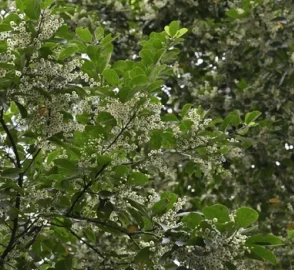


Ceylon Olive Tree: Unlocking the Secrets to Its Health Benefits and Culinary Delights

Aadusa Tree - Medicinal Plant

Botanical Profile of Ceylon Olive

  • Common Names: Ceylon Olive, Ela Gokatu
  • Native Region: Sri Lanka and parts of Southeast Asia
  • Fruit Type: Edible drupe with a single seed
  • Tree Height: Medium-sized evergreen tree

Understanding the Ceylon Olive Tree

The Ceylon Olive tree is a resilient species that thrives in various conditions, making it perfect for sustainable agriculture. Its drought-resistant nature comes from deep root systems that access water from deep within the soil, enabling them to thrive in arid conditions.

  • Drought Resistance: Deep root systems access underground water
  • Soil Adaptability: Thrives in poor soil conditions
  • Fruit Production: Produces edible olives with numerous health benefits
  • Longevity: Can survive for decades in harsh conditions

Historical Significance

The Ceylon Olive Tree has been around since 6000 BC, making it a true ancient treasure! Used in religious ceremonies and as a symbol of peace, it has deep cultural roots. In Sri Lanka, it's more than just a plant; it's a game-changer for local farmers and biodiversity.

Throughout history, olives have been valuable, even serving as currency in ancient Greece. These trees are practically ancient sages of the botanical world with a rich heritage that spans millennia.

Health Benefits of Ceylon Olives

Ceylon Olives are nutritional powerhouses that offer a wide range of health benefits:

  • Antioxidant Properties: Combat oxidative stress and fight chronic diseases
  • Anti-inflammatory Effects: Reduce inflammation throughout the body
  • Heart Health: Support cardiovascular function and reduce heart disease risk
  • Weight Management: Help you feel fuller for longer, reducing snacking
  • Skin Care: Moisturize and protect skin with antioxidant benefits

Ecological Benefits

These trees are eco-friendly champions! They thrive in poor soil, prevent erosion, and promote soil health. Plus, they provide habitats for various species and help restore degraded lands. With their carbon-sequestering abilities, Ceylon Olive Trees are doing their part to combat climate change.

  • Soil Health: Prevent erosion and enhance nutrient cycling
  • Biodiversity Support: Habitat for various wildlife species
  • Carbon Sequestration: Absorb significant amounts of CO2
  • Land Restoration: Help restore degraded lands
  • Water Conservation: Drought-resistant nature reduces water needs

Fun Facts About Ceylon Olive Trees

  • Ancient Heritage: Dating back to 6000 BC
  • Fruit Classification: Olives are technically fruits, not vegetables
  • Historical Currency: Used as currency in ancient Greece
  • Symbolism: Represent peace and prosperity in many cultures
  • Resilience: Can survive harsh conditions with minimal care
  • Cultural Significance: Deep roots in Sri Lankan traditions

Environmental Impact

As the world grapples with climate change and environmental degradation, the importance of resilient tree species like the Ceylon Olive cannot be overstated. Its ability to thrive in adverse conditions makes it a prime candidate for reforestation efforts, particularly in degraded areas.

Forests play a significant role in carbon sequestration, and preserving and planting native species like the Ceylon Olive can significantly contribute to reducing greenhouse gas emissions while supporting local ecosystems.

How Grow Billion Trees Partners Promote Ceylon Olive Cultivation

Organizations like Grow Billion Trees Partners are like the olive tree's biggest fans! They promote sustainable practices and educate local farmers on Ceylon Olive cultivation. By engaging communities and investing in research, they ensure that the benefits of these trees are shared widely.

  • Community Engagement: Raising awareness about cultivation benefits
  • Educational Programs: Workshops empowering local farmers
  • Market Access: Helping farmers access markets for their products
  • Sustainable Practices: Promoting environmentally friendly cultivation
  • Research Investment: Supporting studies to improve yields and benefits
  • Economic Opportunities: Creating new income sources for communities

Why Cultivate Ceylon Olive Trees?

  • Health Benefits: Nutrient-rich fruits with medicinal properties
  • Environmental Impact: Soil conservation and carbon sequestration
  • Economic Value: New market opportunities for farmers
  • Cultural Heritage: Preserving traditional knowledge and practices
  • Climate Resilience: Drought-resistant nature ideal for changing climates
  • Community Development: Fostering sustainable local economies

Final Thought
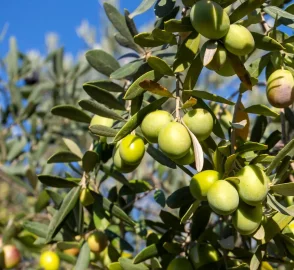
The Ceylon Olive tree is more than just a source of nutritious fruits; it is a resilient wonder of nature that offers numerous health, ecological, and economic benefits. As we face increasing environmental challenges, the importance of preserving and promoting native species like the Ceylon Olive cannot be overstated. By participating in cultivation efforts and advocating for sustainable practices, we can all contribute to healthier communities and a more sustainable future.

Ceylon Olive Tree
Ceylon Olive Products

Ceylon Olive Uses

Ceylon Olive oil is the culinary superstar you didn't know you needed! Drizzle it on salads, use it for cooking, or whip up a delicious olive tapenade. You can even stuff the olives for a tasty appetizer or toss them in a refreshing salad. Your taste buds will thank you!

Cultural Significance

The Ceylon Olive Tree has deep cultural roots in Sri Lanka, where it's more than just a plant. Used in religious ceremonies and as a symbol of peace, this tree represents resilience and prosperity in local traditions. Its historical significance dates back millennia, making it a living connection to ancient practices.

Biodiversity Benefits

Ceylon Olive Trees are biodiversity champions! They provide habitats for various species and promote ecological balance. By cultivating these trees, we're not just growing food; we're creating vibrant ecosystems that support wildlife and contribute to overall environmental health.

Reforestation Efforts

In the fight against deforestation, Ceylon Olive Trees are valuable allies. Their resilience to adverse conditions makes them ideal for reforestation projects, particularly in degraded areas. Organizations like Grow Billion Trees Partners are leading efforts to incorporate these trees into broader ecological restoration initiatives.

Climate Change Mitigation

Ceylon Olive Trees are climate warriors with impressive carbon sequestration abilities. By absorbing significant amounts of carbon dioxide, these trees help combat climate change while providing numerous other environmental benefits. Promoting their growth is an investment in a healthier planet for future generations.

Medicinal Properties

Ceylon Olives are nature's pharmacy! Packed with antioxidants and anti-inflammatory compounds, they help fight chronic diseases and support overall health. From heart health to weight management, these nutritional powerhouses offer a range of therapeutic benefits that have been valued for generations.

Sustainable Practices

Ceylon Olive cultivation embodies sustainability! The trees' drought resistance and ability to thrive in poor soil make them perfect for eco-friendly agriculture. By adopting sustainable farming practices, communities can harness the benefits of these remarkable trees while protecting the environment.

Historical Importance

With a history dating back to 6000 BC, Ceylon Olive Trees are living monuments to human civilization. Their use in religious ceremonies and as symbols of peace highlights their cultural significance across millennia. These trees represent a bridge between ancient traditions and modern sustainable practices.

Skin Care Benefits

Ceylon Olive oil isn't just for your salad; it's a skincare hero! Its moisturizing properties hydrate and protect your skin, while antioxidants combat signs of aging. Incorporating this natural elixir into your beauty routine lets you harness nature's magic for healthy, radiant skin.

Community Engagement

Ceylon Olive cultivation brings people together! Organizations like Grow Billion Trees Partners engage local communities, turning tree planting into collective action. Through workshops and educational programs, they empower people to participate in sustainable agriculture, creating a grassroots movement that benefits both people and the planet.

Soil Health Improvement

Ceylon Olive Trees are natural soil enhancers! Their root systems prevent erosion and improve soil structure, while leaf litter enriches the ground with organic matter. By planting these trees, we're not just growing food; we're building healthier, more resilient ecosystems from the ground up.

Carbon Sequestration

Ceylon Olive Trees excel at capturing carbon! Through photosynthesis, they absorb carbon dioxide from the atmosphere, storing carbon in their biomass and helping mitigate climate change. Their long lifespan and robust growth make them effective carbon sinks, contributing to a healthier atmosphere for all.

Getting Involved

You can support organizations like Grow Billion Trees Partners through donations or volunteering. Spread the word about the benefits of Ceylon Olives and encourage local farmers to cultivate them. Every little bit helps in creating a sustainable future, one olive at a time!

FAQ

What are the health benefits of Ceylon Olive?

These olives are rich in antioxidants and anti-inflammatory compounds, supporting heart health, skin care, weight management, and protection against chronic diseases.

01

How can I use Ceylon Olive in cooking?

Use Ceylon Olive oil for drizzling on salads, cooking, making tapenade, stuffing olives, or adding to refreshing dishes. It’s versatile and flavorful!

02

What is the historical significance of the Ceylon Olive Tree?

Dating back to 6000 BC, it was used in religious ceremonies, symbolized peace, and supported biodiversity and agriculture in Sri Lanka.

03

How do Ceylon Olive Trees impact the environment?

They prevent soil erosion, restore degraded lands, support biodiversity, improve soil health, and sequester carbon, contributing to climate change mitigation.

04

What role do organizations like Grow Billion Trees Partners play?

They promote sustainable cultivation, educate farmers, engage communities, and invest in research to maximize the ecological and economic benefits of Ceylon Olive trees.

05

How does Ceylon Olive oil benefit skin care?

Its moisturizing and antioxidant properties hydrate and protect skin, combat aging, and promote overall skin health.

06

Can Ceylon Olives help with weight management?

The healthy fats promote satiety, helping you feel fuller for longer, making them an effective ally in weight management.

07

What makes Ceylon Olive Trees drought-resistant?

Their deep root systems access water from deep soil layers, allowing them to thrive in arid regions and support sustainable agriculture in water-scarce areas.

08

What are some fun facts about Ceylon Olive Trees?

They are ancient trees, survive harsh conditions, produce edible fruits, and were even used as currency in ancient times, highlighting their rich heritage.

09

How does Ceylon Olive cultivation support local communities?

It provides economic opportunities, enhances biodiversity, promotes sustainable farming, and organizations like Grow Billion Trees Partners help farmers access markets and training.

10

What is the future of Ceylon Olive cultivation?

With growing global demand for healthy foods, sustainable practices, and community engagement, Ceylon Olive cultivation has a bright, eco-friendly, and profitable future.

11

How can I get involved in promoting Ceylon Olive Trees?

Support organizations like Grow Billion Trees Partners through donations or volunteering, spread awareness, and encourage local cultivation to create a sustainable future.

12
logo
back top