


Crow’s Ash Tree
Crow's Ash Tree: Unlocking the Mystical Secrets and Benefits of Nature's Resilient Guardian
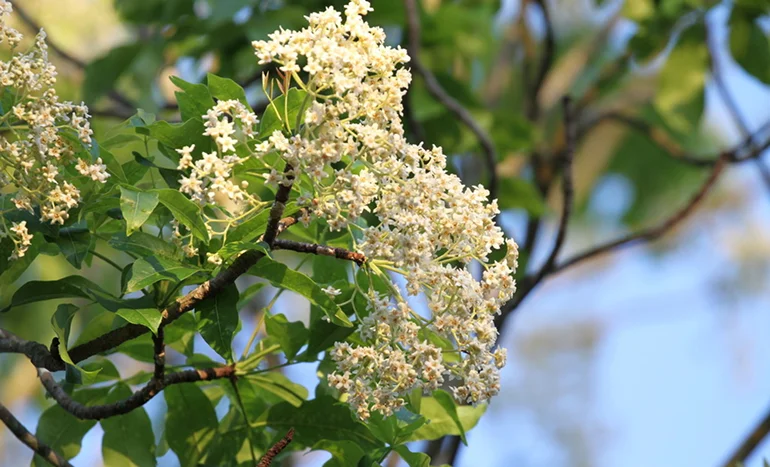
Characteristics of the Crow's Ash Tree
Scientific Data and Fun Facts
- Longevity: The Crow's Ash Tree can live for over 100 years, with some specimens reported to be over 200 years old.
- Wood Quality: Its wood is highly valued for strength and elasticity, making it popular for furniture, sports equipment, and musical instruments.
- Flowers: The tree produces beautiful clusters of small, fragrant flowers in spring, attracting various pollinators including bees and butterflies.
- Adaptability: It thrives in various soil types including clay, loam, and sandy soils, and can tolerate a range of pH levels.
Historical and Cultural Significance
Ecological Impact
Benefits of Crow's Ash Tree
- Carbon Sequestration: The tree absorbs carbon dioxide, helping reduce greenhouse gases in the atmosphere.
- Wildlife Support: Provides habitat and food sources for various species, enhancing biodiversity.
- Soil Protection: Extensive root systems prevent soil erosion and improve soil health.
- Practical Uses: Valued wood used for furniture, musical instruments, and sports equipment.
- Medicinal Properties: Historical use in traditional medicine for various ailments.
Conservation Challenges and Grow Billion Trees Partners
Conclusion
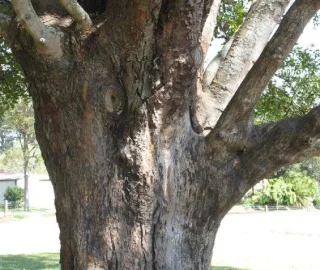
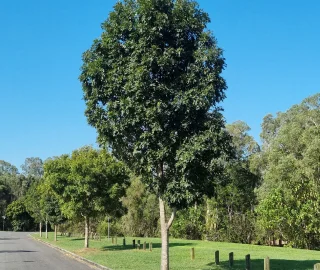
Crow's Ash Tree Benefits
Cultural Significance of Ash Trees
Environmental Impact of Crow's Ash
Adaptability of the Crow's Ash
Conservation Challenges
Role of Grow Billion Trees Partners
Educational Initiatives
Community Engagement in Conservation
Historical Uses of Ash Trees
Tree Planting Events
Future of the Crow's Ash Tree
Mythological Connections
FAQ
What is the Crow’s Ash Tree?
The Crow’s Ash Tree (Fraxinus angustifolia) is a deciduous marvel reaching up to 30 meters. Found in Europe, North Africa, and Western Asia, it features pinnate leaves and small winged seeds, playing a vital role in the environment.
01
What are the ecological benefits of the Crow’s Ash Tree?
The Crow’s Ash Tree provides habitats and food for wildlife, attracts pollinators, prevents soil erosion, and promotes nutrient cycling — making it an ecological champion in supporting biodiversity and combating climate change.
02
How long can the Crow’s Ash Tree live?
Crow’s Ash Trees can live over 100 years, with some surpassing 200 years, standing as silent guardians and witnesses to centuries of environmental and cultural history.
03
What is the significance of the Crow’s Ash Tree in folklore?
In folklore, it symbolizes protection and healing. Revered as the "Tree of Life" in Celtic and Norse traditions, it embodies wisdom, resilience, and magical properties, inspiring countless stories and cultural practices.
04
How does the Crow’s Ash Tree contribute to carbon sequestration?
The Crow’s Ash Tree captures carbon dioxide from the atmosphere, helping reduce greenhouse gas emissions and combat climate change — acting as a green ally in improving air quality.
05
What challenges does the Crow’s Ash Tree face today?
Climate change, deforestation, and pests like the emerald ash borer threaten its survival. Protecting this tree through conservation efforts is essential to maintain ecological balance.
06
How can I get involved in Crow’s Ash Tree conservation?
Participate in local tree planting, support sustainable practices, and educate others about the Crow’s Ash Tree. Every effort helps preserve this ecological gem for future generations.
07
What role do organizations like Grow Billion Trees Partners play?
Grow Billion Trees Partners promote tree planting and conservation of native species like the Crow’s Ash Tree. They engage communities, foster biodiversity, and fight climate change through education and sustainable practices.
08
What is the historical significance of the Crow’s Ash Tree?
The Crow’s Ash Tree has been revered across cultures for tools, medicine, and mythology. Its enduring presence connects people to nature and inspires cultural, artistic, and ecological appreciation.
09
How does the Crow’s Ash Tree support biodiversity?
By providing food and shelter for wildlife, attracting pollinators, and maintaining ecological balance, the Crow’s Ash Tree is a vital player in sustaining biodiversity in its ecosystem.
10
What can we learn from the Crow’s Ash Tree?
The Crow’s Ash Tree teaches resilience and interconnectedness, highlighting the importance of preserving natural heritage and supporting conservation to ensure a thriving environment for generations.
11
Your Suggestions
Leave your message and we'll get back to you shortly.