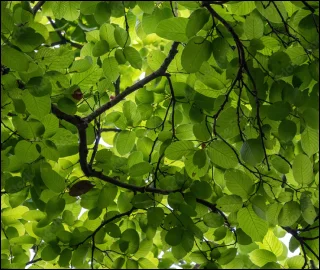

Sal Tree: Majestic Canopy of Sacred Forests
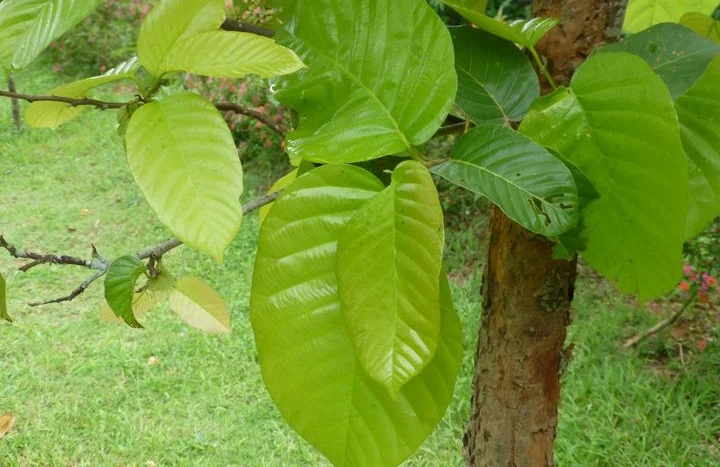
Aadusa Tree - Medicinal Plant

Saja Tree: Revealing the Hidden Treasures and Healing Powers of Nature

The Saja Tree, scientifically known as Terminalia tomentosa, is a remarkable species celebrated for its ecological contributions, durable timber, and medicinal properties. Native to India and parts of Southeast Asia, this resilient tree has been a cornerstone of traditional medicine, sustainable forestry, and biodiversity conservation. Let’s explore the many wonders of the Saja Tree, from its historical significance to its environmental and medicinal marvels.

1. Common Name and Scientific Name

  • Common Name: Saja Tree
  • Scientific Name: Terminalia tomentosa
  • Belongs to the Combretaceae family, known for ecological and medicinal importance.

2. Description

  • Large deciduous tree, growing up to 30 meters tall.
  • Dense canopy, smooth grey bark, and long-lasting leaves.
  • Thrives in various soil types and climates, making it a resilient species.

3. Habitat and Distribution

  • Native to India and parts of Southeast Asia.
  • Adaptable to dry and tropical forests, well-drained soils.
  • Important for reforestation and urban landscaping.

4. Ecological Significance

  • Prevents soil erosion and improves soil quality with deep roots.
  • Provides habitat and food for birds, insects, and small mammals.
  • Supports biodiversity and ecosystem stability.
  • Absorbs carbon dioxide, contributing to climate change mitigation.

5. Historical and Cultural Significance

  • Revered in Indian culture and Ayurveda for centuries.
  • Timber used for construction, furniture, tools, and agricultural implements.
  • Bark and seeds traditionally used to treat fevers, digestive issues, and skin conditions.
  • Also known as “Crocodile Bark Tree” due to unique bark pattern.

6. Fun Facts

  • Bark, seeds, and leaves are rich in tannins, flavonoids, and antioxidants.
  • Wound healing, anti-inflammatory, digestive aid, and skin health properties.
  • Leaves act as natural pest repellents, useful in organic farming.
  • Fast-growing species, making it ideal for reforestation projects.

7. Growing and Caring for Saja Trees

  • Soil: Well-drained sandy or loamy soils; adapts to rocky and clay-rich terrains.
  • Sunlight: Full sunlight required for optimal growth and canopy development.
  • Watering: Minimal once established; drought-tolerant and low-maintenance.
  • Pruning: Regular pruning ensures well-shaped canopy and healthier growth.
  • Modern Applications: Wood for furniture/flooring; bark/extracts in pharmaceutical and cosmetic products.

8. Role of Grow Billion Trees Partners

  • Promotes reforestation, ecosystem restoration, and biodiversity enhancement.
  • Collaborates with local communities for sustainable forestry and cultivation.
  • Supports modern applications while maintaining ecological integrity.
  • Raises awareness and conserves Saja Tree populations for future generations.

Conclusion

The Saja Tree is a true testament to nature’s generosity, offering medicinal, ecological, and cultural benefits. From traditional medicine to sustainable forestry and biodiversity support, it stands as a timeless guardian of health and environment. Conserving and celebrating the Saja Tree ensures its legacy enriches ecosystems and communities for generations to come.

Aadusa Tree Leaves - Medicinal Properties
Aadusa Tree Plantation

Sal Tree Benefits: Majestic Canopy of Sacred Forests

The Sal Tree (Shorea robusta) is an iconic species native to the Indian subcontinent, revered for its towering canopy, durable timber, and cultural significance. Beyond its aesthetic appeal, the Sal Tree supports biodiversity, stabilizes soil, and provides valuable resources for communities. Its leaves, bark, and resin have traditional medicinal uses, while its wood serves construction, furniture, and artisanal purposes.

Biodiversity and Habitat

The Sal Tree provides shelter and food for a wide array of wildlife, including birds, mammals, insects, and reptiles. Its dense canopy supports forest ecosystems, contributing to biodiversity conservation and ecological stability in tropical and subtropical forests.

Medicinal Uses

Traditionally, Sal leaves, bark, and resin have been used to treat fevers, skin ailments, wounds, and gastrointestinal disorders. Its therapeutic properties are recognized in Ayurveda and local folk medicine practices, highlighting its longstanding medicinal importance.

Timber and Practical Applications

Sal wood is renowned for its strength, durability, and resistance to decay. It is widely used in construction, furniture, boat building, and handicrafts. Sustainable harvesting ensures continued availability while preserving the forest ecosystem.

Cultural and Spiritual Significance

Revered in Hindu mythology and local traditions, the Sal Tree symbolizes fertility, abundance, and divine blessings. Its leaves are used in religious rituals, while its presence in temples and sacred groves reflects its spiritual and cultural importance.

Environmental Role

With deep roots and extensive canopy cover, the Sal Tree prevents soil erosion, enhances soil fertility, and regulates water cycles. It also sequesters carbon, contributing to climate change mitigation and promoting ecological balance.

Growth and Care

Sal Trees thrive in well-drained, loamy soils with sufficient sunlight and rainfall. Young trees require regular watering, while mature trees are more drought-tolerant. Pruning deadwood and monitoring for pests ensures healthy growth and optimal timber quality.

Conservation Efforts

Sal forests face threats from deforestation, illegal logging, and habitat degradation. Conservation initiatives include protected areas, community-based forestry programs, reforestation projects, and sustainable logging practices to ensure long-term forest health.

Modern Applications

Beyond traditional uses, Sal Tree derivatives are being explored in pharmaceuticals, eco-friendly products, and artisanal crafts. Its ecological and economic significance makes it a valuable species in contemporary forestry and industry.

Conclusion

The Sal Tree stands as a testament to the intricate balance between nature, culture, and human society. Conserving and sustainably managing Sal forests ensures that this majestic species continues to provide ecological, medicinal, cultural, and economic benefits for generations to come.

FAQs

What is a Sal tree?

The Sal tree, scientifically known as Shorea robusta, is a large, deciduous tree native to the Indian subcontinent and Southeast Asia. Revered for its timber, resin, and cultural significance, it plays a key role in ecology and human culture.

1

Where are Sal trees commonly found?

Sal trees are commonly found throughout India, Nepal, Bhutan, Bangladesh, and Myanmar. They thrive in tropical and subtropical climates, often in moist deciduous forests, river valleys, and lowland plains.

2

What are the characteristics of Sal trees?

Sal trees have tall, straight trunks, spreading crowns, and large, leathery leaves with serrated margins. They produce small, fragrant yellowish-white flowers followed by winged seeds dispersed by wind.

3

How tall do Sal trees grow?

Sal trees can grow up to 30–35 meters (98–115 feet) tall, with a straight cylindrical trunk and broad spreading crown, providing shade and habitat for wildlife.

4

What is the scientific name of the Sal tree?

The scientific name is Shorea robusta, belonging to the Dipterocarpaceae family. “Shorea” honors botanist Sir John Shore, and “robusta” indicates the tree’s sturdy nature.

5

When do Sal trees bloom?

Sal trees bloom in spring, producing small, fragrant flowers that attract bees, butterflies, and other pollinators. Flowering varies with local climate conditions.

6

How to care for Sal trees?

Plant in well-drained soil with full sunlight. Water regularly during dry periods, mulch to retain moisture, and prune dead or diseased branches to maintain growth.

7

What are the benefits of planting Sal trees?

Provides timber for construction, furniture, and fuelwood, enhances forest biodiversity, supports local livelihoods, and holds cultural/religious significance.

8

Are Sal trees suitable for urban environments?

Due to their large size, Sal trees are not commonly planted in urban areas but can be used in parks, botanical gardens, and large green spaces.

9

How to propagate Sal trees?

From seeds or cuttings. Sow mature seeds in well-drained potting mix, or root semi-hardwood cuttings in rooting hormone solution for best results.

10

What are common pests and diseases of Sal trees?

Defoliating insects, bark beetles, wood borers, leaf spot, and root rot are common. Thinning, pruning, and monitoring help prevent damage.

11

Can Sal trees tolerate drought?

Moderately drought-tolerant once established, but young trees benefit from regular watering. Mulching helps retain soil moisture.

12

How long does it take for Sal trees to mature?

Several decades to reach full height and girth. However, they can provide timber within 50–60 years of planting.

13

Are Sal trees deciduous?

Yes, Sal trees shed their leaves seasonally, turning yellow or reddish before falling, creating a colorful forest floor.

14

Can Sal trees be grown in pots?

No, they require ample space for root development. Best planted in the ground in spacious, well-drained locations.

15

What is the significance of Sal trees in landscaping?

Sal trees are valued for majestic form, attractive foliage, and cultural importance. They are ideal as shade, avenue, or specimen trees in parks and botanical gardens.

16

Are Sal trees invasive?

No, they are native to South Asia and generally not invasive, though they may naturalize in favorable disturbed habitats.

17

How do you prune a Sal tree?

Prune in late winter or early spring to remove dead/diseased branches, improve air circulation, and maintain shape. Use clean, sharp tools for best results.

18

What is the lifespan of a Sal tree?

Sal trees can live for several centuries under optimal conditions. Some specimens are over 1,000 years old. Proper care prolongs their lifespan.

19

Are Sal trees protected species?

Sal trees are not generally listed as protected, but conservation and sustainable forestry ensure their continued existence and ecological importance.

20
logo
back top