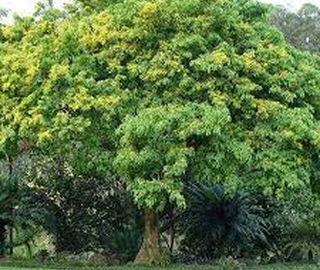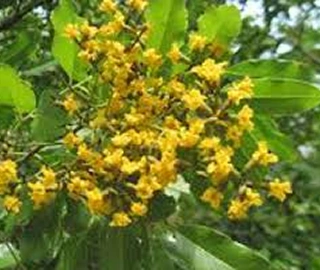


Indian Kino Tree: Unlocking the Secrets of Nature's Healing Power and Cultural Significance
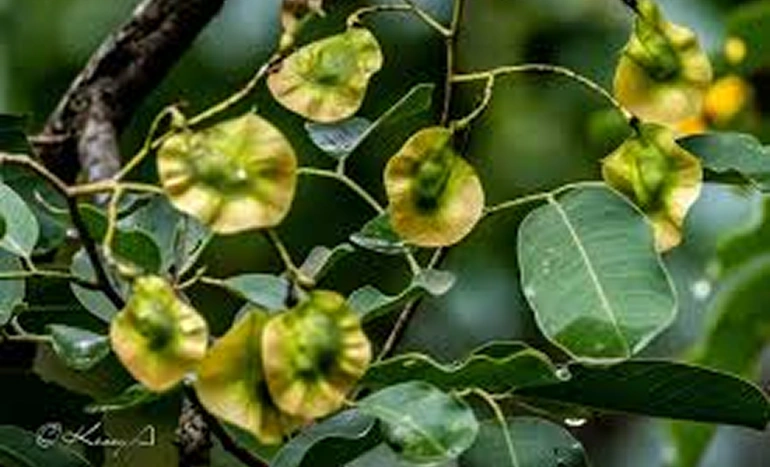
Indian Kino Tree

The Indian Kino Tree, scientifically known as Pterocarpus marsupium, is a remarkable species that has captivated the attention of botanists, herbalists, and environmentalists alike.

Known for its medicinal properties and cultural significance, this tree is native to the Indian subcontinent and has been revered for centuries. In this blog, we will explore the healing power of the Indian Kino Tree, its environmental impact, and its cultural significance.

Moreover, we will delve into how organizations like Grow Billion Trees are contributing to the preservation and promotion of this invaluable resource.

The Healing Power of Indian Kino Tree

The Indian Kino Tree is renowned for its medicinal properties, which have been documented in ancient Ayurvedic texts. The bark, leaves, and heartwood of the tree are used in traditional medicine to treat a variety of ailments.

The most notable compound found in the tree is pterostilbene, a natural antioxidant that has been studied for its potential in combating oxidative stress and inflammation.

Scientific studies have shown that extracts from the Indian Kino Tree possess anti-diabetic properties. Research published in the *Journal of Ethnopharmacology* highlights its ability to lower blood sugar levels, making it a potential natural remedy for managing diabetes. Additionally, the tree's extracts have demonstrated antimicrobial properties, which can be beneficial in treating infections.

One of the most fascinating aspects of the Indian Kino Tree is its use in traditional rituals and practices. The tree's resin, known as "kino," is often used in Ayurvedic medicine to heal wounds and ulcers. Its astringent properties help in stopping bleeding and promoting faster healing. This remarkable healing ability has made the Indian Kino Tree a staple in many traditional healing practices across India.

Fun Facts About the Indian Kino Tree

  • The Indian Kino Tree can grow up to 30 meters tall and has a lifespan of over 100 years.
  • Its heartwood is known for its rich, reddish-brown color, making it a popular choice for high-quality furniture and decorative items.
  • The tree is also known as the "Malabar Kino" and is a member of the Fabaceae family, which includes legumes.
  • In addition to its medicinal uses, the Indian Kino Tree is valued for its timber, which is durable and resistant to termites.

Cultural Significance of the Indian Kino Tree

The Indian Kino Tree holds a special place in the cultural heritage of India. It is often associated with various folklore and traditions. In many regions, it is considered sacred and is planted near temples and other religious sites. The tree is also a part of various rituals, symbolizing strength, resilience, and healing.

In rural communities, the Indian Kino Tree is often planted as a community tree, where locals gather to celebrate festivals and conduct rituals. Its presence in these communities fosters a sense of unity and connection to nature. The tree is not just a source of medicine; it is a symbol of life, growth, and community.

Environmental Impact of the Indian Kino Tree

The Indian Kino Tree plays a crucial role in maintaining ecological balance. As a native species, it supports local biodiversity by providing habitat and food for various wildlife species. The tree's foliage serves as a food source for herbivores, while its flowers attract pollinators like bees and butterflies, contributing to the overall health of the ecosystem.

Moreover, the Indian Kino Tree is known for its ability to improve soil quality. Its deep-root system helps prevent soil erosion, while its leaves enrich the soil with organic matter when they fall. This makes it a valuable species for reforestation efforts and sustainable land management practices.

In the context of climate change, the Indian Kino Tree is a resilient species that can adapt to varying climatic conditions. Its ability to sequester carbon makes it an essential component in combating global warming. By planting more Indian Kino Trees, we can contribute to carbon sequestration efforts, thereby mitigating the impacts of climate change.

Grow Billion Trees: A Partner in Conservation

Organizations like Grow Billion Trees are at the forefront of promoting the Indian Kino Tree and other native species. Their mission is to combat deforestation and promote biodiversity through large-scale tree plantation initiatives. By collaborating with local communities, Grow Billion Trees ensures that these projects are sustainable and beneficial for the environment.

Grow Billion Trees employs a multi-faceted approach to execute their projects. Firstly, they conduct extensive research to identify suitable sites for plantation, focusing on areas that have been affected by deforestation. By selecting the right locations, they maximize the chances of survival for the planted trees.

Secondly, the organization works closely with local communities, educating them about the importance of native trees like the Indian Kino Tree. This community involvement is crucial for the success of their initiatives, as it fosters a sense of ownership and responsibility among the locals. Workshops and training sessions are held to teach sustainable farming practices that complement tree planting.

Furthermore, Grow Billion Trees utilizes technology to monitor the growth and health of the planted trees. They employ satellite imagery and drone technology to assess the progress of their projects, ensuring that the trees thrive in their new environment. This data-driven approach allows them to make informed decisions and adapt their strategies as needed.

To promote their initiatives, Grow Billion Trees engages in awareness campaigns that highlight the ecological and cultural significance of the Indian Kino Tree. They leverage social media platforms, community events, and partnerships with schools and educational institutions to spread the word about their mission. By raising awareness, they inspire individuals to take action and contribute to reforestation efforts.

Conclusion

The Indian Kino Tree is more than just a tree; it is a symbol of nature's healing power and cultural heritage. With its remarkable medicinal properties, ecological benefits, and deep-rooted significance in Indian culture, it deserves our attention and protection. Organizations like Grow Billion Trees are playing a vital role in preserving this invaluable resource and promoting sustainable practices that benefit both the environment and local communities.

As we move forward in the face of environmental challenges, it is crucial to recognize the importance of native species like the Indian Kino Tree. By supporting reforestation efforts and raising awareness about their significance, we can contribute to a healthier planet for future generations. Let us embrace the wisdom of nature and unlock the secrets of the Indian Kino Tree, ensuring that its legacy continues to thrive.

Indian Cork Fig Fruits
Indian Cork Fig Tree

FAQ

What is the Indian Kino Tree?

The Indian Kino Tree, or Pterocarpus marsupium, is a remarkable native species from the Indian subcontinent, cherished for its medicinal properties and cultural significance. This tall, sturdy tree is a true multitasker—providing timber, healing remedies, and ecological benefits while charming botanists and herbalists alike.

01

What are the medicinal properties of the Indian Kino Tree?

The Indian Kino Tree is like nature's pharmacy, with its bark, leaves, and heartwood packed with medicinal goodness. It's famous for pterostilbene, a natural antioxidant, and has shown promise in managing diabetes and fighting infections. Talk about a tree that's got your back—literally!

02

How does the Indian Kino Tree contribute to environmental health?

The Indian Kino Tree is an environmental superhero, supporting local biodiversity and improving soil quality. Its deep roots prevent erosion, while its leaves enrich the soil. Plus, it attracts pollinators, making it a crucial player in maintaining ecological balance. Who knew trees could be so eco-friendly?

03

What role does the Indian Kino Tree play in cultural rituals?

The Indian Kino Tree isn't just a pretty face; it's woven into the fabric of Indian culture. Revered in folklore, it's often planted near temples and used in rituals symbolizing strength and healing. This tree brings communities together, creating a sense of unity and connection to nature.

04

How does the Indian Kino Tree help combat climate change?

The Indian Kino Tree is a natural climate warrior, capable of adapting to various conditions and sequestering carbon. By planting more of these trees, we can help mitigate climate change and improve our planet's health. It's a win-win for Mother Nature and us—talk about a tree hugger!

05

What is the significance of the tree's resin, kino?

The resin from the Indian Kino Tree, known as kino, is like liquid gold in traditional medicine. Used to heal wounds and ulcers, its astringent properties make it a go-to remedy. This sticky substance is a testament to the tree's healing prowess—nature's very own band-aid!

06

How does Grow Billion Trees promote the Indian Kino Tree?

Grow Billion Trees is on a mission to champion the Indian Kino Tree and other native species. Through extensive research and community involvement, they ensure sustainable tree plantation initiatives. Their innovative use of technology and local education makes them the ultimate tree guardians—saving the planet, one tree at a time!

07

What are the benefits of planting the Indian Kino Tree?

Planting the Indian Kino Tree is like giving a gift to the Earth. It supports local wildlife, improves soil quality, and contributes to reforestation efforts. Plus, its medicinal properties can benefit communities. Why plant just any tree when you can plant one that does it all?

08

How tall does the Indian Kino Tree grow?

The Indian Kino Tree can reach impressive heights of up to 30 meters! With a lifespan exceeding 100 years, it's not just a tree; it's a towering testament to nature's resilience. Talk about a long-term investment in shade and beauty!

09

Is the Indian Kino Tree used for timber?

Absolutely! The heartwood of the Indian Kino Tree is prized for its rich, reddish-brown color and durability. It's a popular choice for high-quality furniture and decorative items. Who knew a tree could be both functional and fabulous?

10

What communities are involved in preserving the Indian Kino Tree?

Rural communities across India play a vital role in preserving the Indian Kino Tree. Often planted as community trees, they foster unity and connection to nature. These local heroes are essential in keeping the tree's legacy alive—one festival and ritual at a time!

11

How can individuals contribute to the preservation of the Indian Kino Tree?

Individuals can help preserve the Indian Kino Tree by supporting organizations like Grow Billion Trees, participating in reforestation efforts, and spreading awareness. Every small action counts! Let's unite to protect this remarkable tree and ensure its legacy thrives for generations to come.

12
logo
back top