


Afforestation Initiatives
Afforestation Initiatives:
Transforming Barren Lands into Thriving Forests
In a world grappling with deforestation and habitat loss, afforestation initiatives emerge as powerful tools for environmental restoration and conservation. These initiatives focus on establishing new forests in areas that were previously non-forested, aiming to enhance biodiversity, mitigate climate change, and improve ecosystem services.
Key Insight
From re-greening barren landscapes to creating urban forests, afforestation projects hold immense promise for fostering ecological resilience and sustainable development. In this comprehensive guide, we embark on a journey through the dynamic realm of afforestation initiatives, exploring their significance, strategies, challenges, and conservation implications.
About Afforestation Initiatives Afforestation initiatives entail the deliberate planting of trees on lands that have historically lacked forest cover. These projects aim to create new habitats, restore degraded ecosystems, and enhance landscape connectivity by introducing native tree species and promoting natural regeneration.
Afforestation efforts span a spectrum of scales and contexts, ranging from large-scale reforestation programs to community-led tree planting campaigns in urban and rural areas.
Types of Afforestation Initiatives
Definition: Afforestation refers to the intentional establishment of forests or tree cover on lands that have historically lacked forest vegetation. It involves planting trees, protecting existing forests, and restoring degraded ecosystems to enhance ecological functions, biodiversity, and ecosystem services.
Reforestation of Degraded Lands: Restoring degraded or deforested landscapes by planting trees, controlling soil erosion, and promoting ecosystem recovery to enhance biodiversity, soil health, and water resources.
Urban Forestry and Greening: Creating green spaces, parks, and urban forests in cities and towns to improve air quality, mitigate urban heat islands, and enhance the well-being of residents.
Coastal Afforestation and Mangrove Restoration: Planting trees and mangroves along coastlines and estuaries to prevent erosion, protect against storm surges, and enhance coastal resilience to climate change.
Afforestation in Watershed Management: Establishing forests along riverbanks, watersheds, and catchment areas to regulate water flow, reduce soil erosion, and improve water quality for downstream communities.
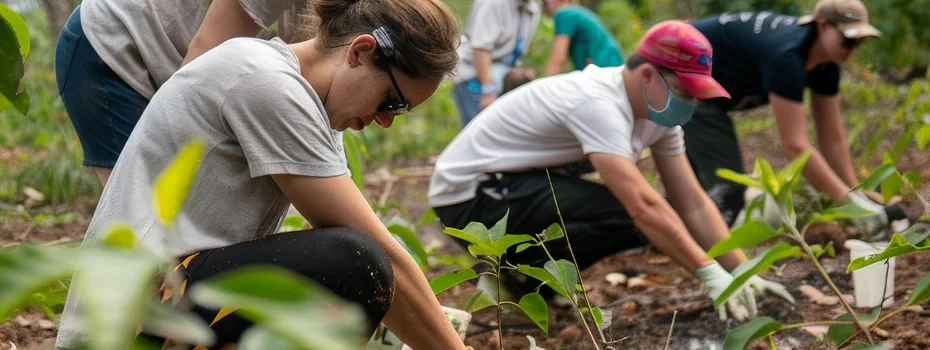
Important Facts About Afforestation Initiatives
- Afforestation plays a crucial role in climate change mitigation by sequestering carbon dioxide from the atmosphere and storing it in trees and soils, helping to reduce greenhouse gas emissions and combat global warming.
- Afforestation projects can enhance biodiversity by creating habitat for a wide range of plant and animal species, restoring ecosystem connectivity, and promoting ecological resilience.
- Afforestation helps to protect and restore vital ecosystem services, such as soil conservation, water regulation, and pollination, which are essential for human well-being, food security, and livelihoods.
- The United Nations has recognized afforestation as a key strategy for achieving several Sustainable Development Goals (SDGs), including climate action, biodiversity conservation, and sustainable land management.
- Afforestation initiatives offer socio-economic benefits such as job creation, income generation, and community development, particularly in rural areas dependent on forest resources.
Geographical Location of Afforestation Initiatives: Afforestation initiatives are implemented worldwide, spanning diverse ecosystems, climates, and landscapes. From tropical rainforests to arid deserts, afforestation projects are undertaken in every continent, driven by the urgent need to address deforestation, land degradation, and climate change.
Countries with extensive degraded lands, such as China, India, and Brazil, are focal points for large-scale afforestation efforts, while urban centers and industrialized regions prioritize urban greening and green infrastructure projects.
Importance of Afforestation Initiatives
- Carbon Sequestration and Climate Change Mitigation: Afforestation projects help mitigate climate change by sequestering carbon dioxide from the atmosphere and storing it in trees and soils, reducing greenhouse gas emissions and enhancing carbon sinks.
- Biodiversity Conservation and Habitat Restoration: Afforestation initiatives create habitat for a wide range of plant and animal species, promoting biodiversity conservation, ecological connectivity, and ecosystem resilience.
- Soil Conservation and Watershed Management: Afforestation helps prevent soil erosion, improve soil fertility, and regulate water flow in watersheds, rivers, and catchment areas, enhancing water quality and quantity for downstream communities.
- Urban Greening and Livability: Afforestation projects create green spaces, urban forests, and parks in cities and towns, improving air quality, mitigating urban heat islands, and enhancing the health and well-being of residents.
- Socio-economic Development and Community Empowerment: Afforestation initiatives create employment opportunities, generate income for local communities, and support sustainable livelihoods, fostering social cohesion, and empowerment.
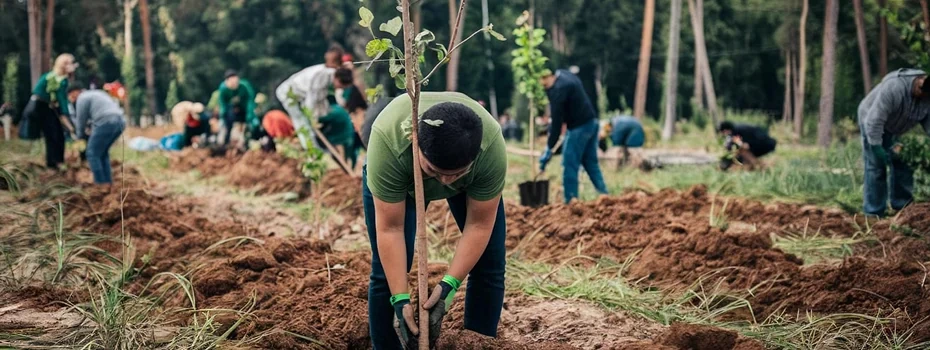
Development Strategies for Afforestation
- Landscape Planning and Prioritization: Conducting spatial assessments, identifying priority areas for afforestation, and developing strategic plans that consider ecological, social, and economic factors.
- Stakeholder Engagement and Participation: Collaborating with local communities, indigenous peoples, governments, NGOs, and other stakeholders to ensure inclusive decision-making, equitable benefit-sharing, and community ownership of afforestation projects.
- Native Species Selection and Genetic Diversity: Prioritizing native tree species that are well-adapted to local environmental conditions, resilient to climate change, and beneficial for biodiversity conservation and ecosystem restoration.
- Sustainable Land Management and Monitoring: Implementing soil conservation measures, water management strategies, and biodiversity monitoring protocols to support tree establishment, ecosystem recovery, and long-term sustainability.
- Policy Support and Institutional Frameworks: Advocating for supportive policies, regulations, and incentives that promote afforestation, sustainable land management, and forest restoration at local, national, and international levels.


Key Insights for Learning Afforestation Initiatives
- Site Selection and Preparation: Identify suitable sites for afforestation based on ecological suitability, land availability, and stakeholder preferences, and prepare planting sites by clearing invasive species, controlling weeds, and improving soil fertility.
- Tree Species Selection and Planting Techniques: Choose appropriate tree species based on site conditions, ecological functions, and desired outcomes, and use proper planting techniques, such as proper spacing, planting depth, and mulching, to maximize tree survival and growth rates.
- Maintenance and Management Practices: Provide ongoing care and maintenance, including watering, weeding, pruning, and pest control, to support tree establishment and ensure the long-term success of afforestation projects.
- Community Engagement and Capacity Building: Involve local communities in all stages of the afforestation process, from planning and implementation to monitoring and maintenance, to build trust, foster stewardship, and promote sustainable forest management practices.
- Adaptation and Resilience: Monitor and evaluate the performance of afforestation projects over time, adapt management strategies based on lessons learned and changing environmental conditions, and promote adaptive management approaches to enhance resilience and sustainability.
Threats Faced by Afforestation Initiatives
- Land Use Pressures and Conversion: Competing land uses, such as agriculture, urbanization, mining, and infrastructure development, can limit the availability of suitable land for afforestation and lead to land use conflicts and deforestation.
- Climate Change and Extreme Weather Events: Changing climatic conditions, including increased temperatures, altered precipitation patterns, and more frequent extreme weather events, can impact tree survival, growth, and ecosystem dynamics in afforestation projects.
- Invasive Species and Pest Infestations: The introduction of invasive pests, pathogens, and plant species can threaten the success of afforestation projects by outcompeting native vegetation, spreading diseases, and disrupting ecosystem processes.
- Socio-economic Challenges and Governance Issues: Limited access to land, resources, and markets, as well as inadequate funding, technical capacity, and institutional support, can hinder the implementation and sustainability of afforestation initiatives.
- Policy and Regulatory Constraints: Weak enforcement of forest laws, unclear land tenure arrangements, corruption, and governance failures can undermine the effectiveness of afforestation efforts and perpetuate deforestation and land degradation.
Conservation of Afforestation Initiatives
- Protected Areas and Conservation Reserves: Establishing and effectively managing protected areas, national parks, and conservation reserves to safeguard afforestation projects and their associated biodiversity, ecosystem services, and cultural values.
- Sustainable Land Management and Restoration Partnerships: Promoting sustainable land use practices, such as agroforestry, community forestry, and sustainable agriculture, and forming partnerships and collaborations among governments, NGOs, businesses, local communities, and indigenous peoples to pool resources, share knowledge, and coordinate actions for large-scale afforestation and conservation.
- Policy Advocacy and Capacity Building: Advocating for policy reforms, legal frameworks, and financial incentives that support afforestation, protect biodiversity, and address the root causes of deforestation and land degradation, and building capacity for effective implementation and management of afforestation projects through training, education, and technical assistance.
Conclusion
Conclusion In conclusion, afforestation initiatives hold tremendous potential for addressing pressing environmental challenges, including deforestation, climate change, and biodiversity loss."
By planting the seeds of change and restoring forest ecosystems, afforestation projects contribute to ecological resilience, sustainable development, and human well-being.
As we strive towards a greener and more sustainable future, let us harness the power of afforestation to rejuvenate landscapes, mitigate climate change, and create a legacy of stewardship for future generations.
1
Afforestation Initiatives
Afforestation initiatives focus on establishing new forests on land that has not been forested for a significant period or has been converted to non-forest use. These efforts are essential for increasing forest cover, enhancing ecosystem services, and mitigating climate change.
2
Site Assessment
Site assessment is a crucial step in afforestation initiatives, involving the evaluation of land characteristics, ecological conditions, and land-use history to determine suitability for tree planting. Assessing site factors such as soil type, slope, and hydrology helps identify areas where afforestation efforts are most likely to succeed.
3
Tree Species Selection
Tree species selection plays a critical role in the success and sustainability of afforestation initiatives. Choosing appropriate tree species based on local climate, soil conditions, and ecological requirements ensures successful establishment and long-term growth of forests, contributing to biodiversity conservation and ecosystem resilience.
4
Community Participation
Community participation is key to the success of afforestation initiatives, involving local communities in project planning, implementation, and stewardship activities. Engaging stakeholders fosters a sense of ownership and responsibility, leading to greater support and sustainability of newly established forests.
5
Ecosystem Restoration
Afforestation initiatives contribute to ecosystem restoration by recreating forest habitats, restoring degraded landscapes, and enhancing ecological connectivity. Restoring forest cover helps improve soil fertility, regulate water flow, and provide habitat for native flora and fauna, promoting overall ecosystem health and resilience.
6
Monitoring and Management
Monitoring and management are essential components of afforestation initiatives to track the progress of tree establishment, assess ecological outcomes, and address potential challenges such as invasive species, pest outbreaks, and wildfire risk. Implementing adaptive management strategies ensures the effectiveness and long-term success of afforestation efforts.
7
Carbon Sequestration
Afforestation initiatives play a crucial role in carbon sequestration by capturing and storing atmospheric carbon dioxide in trees and forest ecosystems. By increasing forest cover, these initiatives help mitigate climate change and offset carbon emissions, making them valuable tools in climate change mitigation strategies.
8
Water Resource Management
Afforestation initiatives contribute to water resource management by enhancing water infiltration, reducing soil erosion, and regulating water flow in watersheds. Forests act as natural sponges, helping to recharge groundwater, maintain streamflow, and improve water quality, benefiting both ecosystems and human communities.
9
Policy Support
Policy support at the local, national, and international levels is essential for promoting afforestation initiatives through funding mechanisms, incentives, and regulatory frameworks. Strong policy frameworks can incentivize sustainable land management practices, facilitate land tenure arrangements, and create an enabling environment for afforestation projects to thrive.
10
Public Awareness and Education
Public awareness and education campaigns play a vital role in garnering support for afforestation initiatives, raising awareness about the importance of forests for biodiversity conservation, climate change mitigation, and human well-being. Educating the public about the benefits of afforestation and the role individuals can play in forest conservation fosters a culture of stewardship and environmental responsibility.
 OUR FAQ US
Learn More About Afforestation Initiatives
and Their Environmental Impact
What are Afforestation Initiatives?
Afforestation initiatives involve establishing new forests on land that has not been forested for a long period or where forest cover has been lost due to deforestation, urbanization, or natural disasters. These efforts aim to restore ecosystems, increase forest cover, and combat climate change.
01
How do Afforestation Initiatives benefit the environment?
They help absorb carbon dioxide, mitigate climate change, improve soil health, regulate water cycles, prevent erosion, and support biodiversity. Afforested areas also purify air and water, providing essential ecosystem services.
02
Where are Afforestation Initiatives typically implemented?
They are commonly carried out in degraded lands, marginal farmlands, watershed areas, coastal zones, and urban green spaces—especially in regions vulnerable to climate impacts or with low forest cover.
03
How do Afforestation Initiatives contribute to community development?
They create local jobs, generate income through sustainable forestry and eco-tourism, and strengthen community resilience to climate change while providing access to forest resources for livelihoods.
04
What are the key considerations in planning Afforestation Initiatives?
Successful planning involves selecting suitable tree species, assessing site conditions, ensuring land ownership clarity, engaging local stakeholders, securing funding, and establishing long-term monitoring plans.
05
How do Afforestation Initiatives promote biodiversity conservation?
They provide habitat for native species, restore ecological connections, and increase species diversity, contributing to healthy and resilient ecosystems that sustain biodiversity.
06
What are the challenges associated with implementing Afforestation Initiatives?
Challenges include limited resources, land conflicts, invasive species, lack of technical skills, and unpredictable climates. Effective planning and community involvement help overcome these issues.
07
How can individuals contribute to Afforestation Initiatives?
People can volunteer for tree-planting programs, donate to restoration projects, support forest conservation organizations, and promote sustainable land-use practices and awareness.
08
What role do governments play in supporting Afforestation Initiatives?
Governments provide policy frameworks, funding, technical support, and monitoring. They establish protected areas and collaborate with communities to achieve forest restoration goals.
09
How do Afforestation Initiatives contribute to climate change mitigation?
They capture and store atmospheric carbon dioxide, reduce emissions from deforestation, enhance forest resilience, and play a key role in global carbon offset and climate action strategies.
10
Send Your Mail
OUR CONTACT NOW
Determine You Want To Achieve
Relaxing Garden & Functional.
Business tailored design, management & support services. Business agency elit, sed do eiusmod tempor...