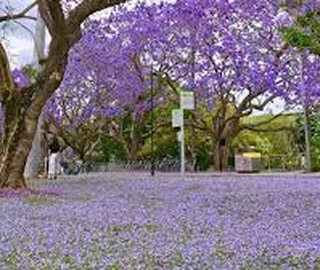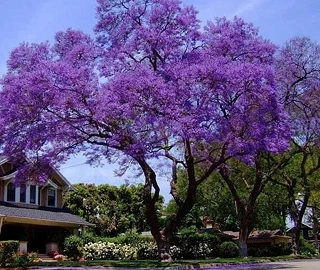

Brazilian Rosewood Tree: The Ultimate Guide to Its Beauty, Value, and Conservation Efforts
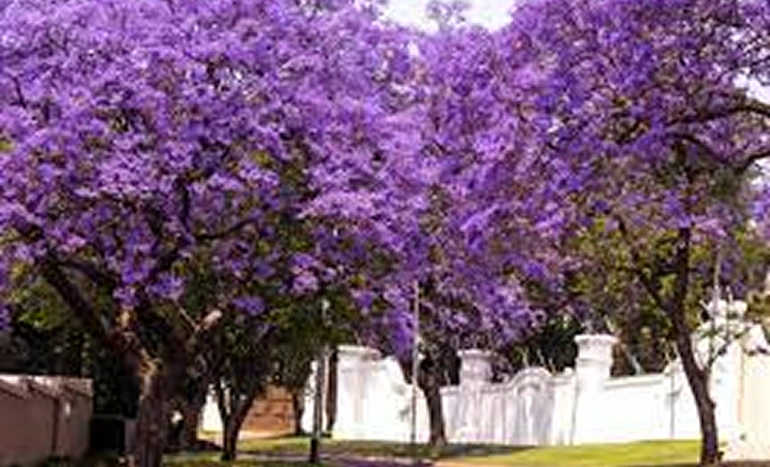
Aadusa Tree - Medicinal Plant

Brazilian Rosewood Tree: Beauty, Value, and Conservation

The Brazilian Rosewood tree (Dalbergia nigra) is one of the most coveted hardwoods in the world, renowned for its rich color, exquisite grain, and exceptional tonal qualities. While prized by woodworkers and musicians, it is also an endangered species, making conservation efforts crucial.

1. The Beauty of Brazilian Rosewood

  • Heartwood color ranges from deep purples and browns to rich reds, often with darker streaks creating striking contrasts.
  • Fine grain can be straight, interlocked, or wavy, making it ideal for furniture and musical instruments.
  • Dense and heavy wood contributes to exceptional acoustic properties, favored for premium guitars and other instruments.
  • Used by iconic guitar brands like Martin and Gibson in their high-end models.

2. Historical Significance

Discovered during the colonial era, Brazilian Rosewood was heavily harvested in the 18th and 19th centuries, leading to widespread deforestation. By the mid-20th century, overexploitation classified it as endangered. In 1992, CITES included it in Appendix I, strictly regulating international trade.

3. Environmental Impact

  • Native to the Atlantic Forest, one of the most biodiverse ecosystems in the world.
  • Deforestation for Brazilian Rosewood contributes to habitat loss, soil erosion, and ecological imbalance.
  • The tree’s root system is vital for maintaining soil health and preventing degradation.

4. Conservation Efforts

Conservation involves governments, NGOs, and local communities. Initiatives focus on sustainable forestry, reforestation, and raising awareness. Organizations like IUCN, WWF, and Grow Billion Trees work to protect Brazilian Rosewood and restore degraded forests.

  • Community Engagement: Local communities are trained to manage and protect forests sustainably.
  • Monitoring and Evaluation: Reforested areas are regularly assessed to ensure ecological success.
  • Awareness Campaigns: Educational programs and media campaigns highlight the importance of conservation.

5. The Value of Brazilian Rosewood

  • Economic: One of the world’s most expensive woods, sometimes exceeding $30 per board foot.
  • Cultural: Symbolizes luxury, craftsmanship, and traditional woodworking heritage.
  • Ecological: Supports biodiversity in the Atlantic Forest by providing habitat and food for wildlife.

6. Fun Facts

  • Longevity: Can live over 100 years and reach heights of ~30 meters (98 feet).
  • Unique Aroma: Sweet fragrance reminiscent of roses.
  • Color Changes: Heartwood darkens with age, developing a rich patina.
  • Symbol of Luxury: Often called "the king of woods" due to rarity and desirability.

7. The Future of Brazilian Rosewood

The species’ survival depends on conservation strategies, sustainable forestry, and reforestation initiatives. Supporting organizations like Grow Billion Trees helps protect this iconic tree, preserve biodiversity, and ensure Brazilian Rosewood continues to flourish for future generations.

Aadusa Tree Leaves - Medicinal Properties
Aadusa Tree Environmental Benefits

Brazilian Rosewood Tree: Beauty, Value, and Conservation

Brazilian Rosewood (Dalbergia nigra) is renowned for its rich colors, fine grain, and luxurious luster. This hardwood is prized for furniture, musical instruments, and crafts, but its high demand has led to overharvesting, making conservation efforts vital.

Historical Significance

Once favored by European settlers for luxury items in the 18th and 19th centuries, Brazilian Rosewood was overharvested and is now endangered. CITES regulates its trade to protect this valuable species.

Environmental Impact

  • Vital to the Atlantic Forest, a biodiversity hotspot.
  • Removal leads to habitat loss, soil erosion, and ecological imbalance.
  • Extensive root systems stabilize soil and maintain ecosystem health.

Conservation Efforts

Governments, NGOs, and local communities are working to protect Brazilian Rosewood through sustainable forestry, reforestation, and awareness campaigns. Organizations like IUCN, WWF, and Grow Billion Trees are key players in these initiatives.

  • Community Engagement: Training locals to sustainably manage and protect forests.
  • Monitoring & Evaluation: Assessing reforested areas to ensure ecological success.
  • Awareness Campaigns: Educational programs highlight the importance of conservation.

Value and Cultural Importance

  • Economic: Among the most expensive hardwoods, exceeding $30 per board foot.
  • Cultural: Symbol of craftsmanship, luxury, and traditional woodworking techniques.
  • Ecological: Supports biodiversity by providing habitat and food in the Atlantic Forest.

Fun Facts

  • Longevity: Can live over 100 years and grow up to 30 meters tall.
  • Distinct Aroma: Sweet fragrance reminiscent of roses.
  • Color Evolution: Heartwood darkens with age, developing a rich patina.
  • Luxury Symbol: Often called “the king of woods” due to rarity and desirability.

Challenges: Illegal Logging and Sustainability

  • Illegal logging threatens the species and the ecosystem.
  • Sustainable forestry practices help balance use with conservation.
  • Protecting Brazilian Rosewood also safeguards the biodiversity of the Atlantic Forest.

The Future of Brazilian Rosewood

Continued reforestation, sustainable harvesting, and education efforts are crucial for this iconic tree. Supporting initiatives like Grow Billion Trees ensures that Brazilian Rosewood can thrive for generations while preserving cultural and ecological heritage.

FAQs

What makes Brazilian Rosewood so beautiful?

Its heartwood flaunts a dazzling array of colors—deep purples, rich reds, and dark streaks that create a visual feast. With fine grain patterns ranging from straight to wavy, it’s no wonder this wood steals the spotlight in high-end furniture and musical instruments, leaving everyone else in the lumber yard green with envy.

Why is Brazilian Rosewood historically significant?

Once the darling of European settlers, Brazilian Rosewood was the go-to choice for luxury items in the 18th and 19th centuries. However, the relentless demand led to its classification as endangered by the mid-20th century. Now, it’s a poster child for conservation efforts.

What environmental impact does harvesting Brazilian Rosewood have?

The Atlantic Forest, where it thrives, suffers from deforestation, biodiversity loss, and soil erosion. Removing these trees disrupts ecosystems and leaves the soil vulnerable. It’s not just a tree; it’s a whole ecosystem at stake!

What conservation efforts are underway for Brazilian Rosewood?

Governments, NGOs, and local communities join forces for sustainable forestry and reforestation. Organizations like WWF, IUCN, and Grow Billion Trees are actively involved in protecting this endangered species.

How valuable is Brazilian Rosewood?

It often fetches prices over $30 per board foot, making it a highly sought-after wood. While prized for craftsmanship and luxury, this value has also fueled illegal logging.

What unique facts should I know about Brazilian Rosewood?

It can live over 100 years, has a sweet rose-like aroma, and its color deepens with age. It’s often called “the king of woods” for its rarity and desirability.

What does the future hold for Brazilian Rosewood?

With ongoing conservation efforts and sustainable practices, Brazilian Rosewood can recover. Organizations like Grow Billion Trees are leading initiatives to secure its future.

Why should I care about Brazilian Rosewood conservation?

Caring about Brazilian Rosewood means protecting biodiversity and ecological balance, maintaining the vibrant life of the Atlantic Forest and the species that call it home.

Is Brazilian Rosewood used in musical instruments?

Yes. Its dense and resonant wood makes it ideal for guitars and other instruments, used by iconic brands like Martin and Gibson.

How can I support Brazilian Rosewood conservation?

Support reforestation organizations, promote sustainable forestry, raise awareness, and consider alternative materials to help protect this species and its ecosystem.

What role does Brazilian Rosewood play in cultural heritage?

It symbolizes luxury, craftsmanship, and traditional woodworking techniques passed down through generations. From furniture to musical instruments, it enriches cultural heritage worldwide.

logo
back top