


Camphorwood Tree: Unveiling the Hidden Benefits and Mystique of Nature's Aromatic Treasure

Camphorwood Tree - Aromatic Wonder

The Camphorwood tree, scientifically known as Cinnamomum camphora, is a remarkable species that has fascinated botanists, herbalists, and environmentalists for centuries. Native to East Asia, particularly in regions like Taiwan and Japan, this evergreen tree is best known for its aromatic wood and essential oil, which have been utilized in various cultural practices, medicinal applications, and even in the timber industry.

Botanical Profile of the Camphorwood Tree

  • Scientific Name: Cinnamomum camphora
  • Family: Lauraceae
  • Native Region: East Asia (Taiwan, Japan, China)
  • Common Names: Camphor Tree, Camphor Laurel, Kapur

Historical Significance of Camphorwood Tree

The Camphorwood tree has a rich history that dates back thousands of years. Ancient Chinese texts mention the use of camphor in traditional medicine, where it was believed to possess healing properties. The wood itself has been used to craft various items, from furniture to intricate carvings, and even in the construction of temples.

In Japan, the tree holds cultural significance and is often planted in sacred spaces, believed to ward off evil spirits. During the 19th century, camphor became a vital commodity in international trade, especially during the time of the opium wars, establishing plantations in various regions.

Scientific Data and Health Benefits

Camphor, the primary compound derived from the wood of the Camphorwood tree, is a terpenoid with a distinct odor. It has been studied extensively for its numerous health benefits:

  • Anti-inflammatory Properties: Research shows camphor possesses anti-inflammatory effects, beneficial for treating arthritis and muscle pain
  • Antimicrobial Activity: Effective against various bacteria and fungi pathogens
  • Respiratory Relief: Acts as a decongestant, common in cough syrups and chest rubs
  • Stress Relief: Calming aroma used in aromatherapy to alleviate stress and anxiety
  • Pain Management: Topical applications help relieve muscle and joint discomfort

Fun Facts About Camphorwood Tree

  • Impressive Size: Can grow up to 30 meters tall with trunk diameter over 2 meters
  • Longevity Champion: Some trees estimated to be over 1,000 years old
  • Natural Insect Repellent: Camphor oil used in mothballs and pest control
  • Culinary Uses: Leaves used in traditional cuisine as flavoring agent
  • Sacred Symbol: Planted in temples and sacred spaces across Asia

Environmental Impact of Camphorwood Tree

  • Carbon Sequestration: Fast-growing species that helps mitigate climate change
  • Wildlife Habitat: Dense canopy provides shelter for birds and insects
  • Soil Adaptation: Thrives in poor soil conditions, ideal for reforestation
  • Biodiversity Support: Promotes ecological balance in native habitats
  • Urban Greening: Excellent for parks and urban landscapes

Medicinal Uses and Applications

The Camphorwood tree is a treasure trove of medicinal wonders, serving as nature's pharmacy for centuries:

  • Respiratory Health: Used in vapor rubs and inhalers for congestion relief
  • Skin Care: Incorporated in ointments for minor skin irritations
  • Pain Relief: Topical applications for arthritis and muscle pain
  • Mental Wellness: Aromatherapy for stress reduction and mental clarity
  • Traditional Medicine: Staple in Ayurvedic and Chinese healing practices

Growing and Caring for Camphorwood Tree

Growing a Camphorwood tree is like embarking on an adventure! These majestic trees thrive with proper care and attention:

  • Climate: Prefers warm, humid climates with adequate rainfall
  • Soil: Thrives in well-drained soil, tolerates various pH levels
  • Propagation: Grown from seeds or cuttings from healthy mature trees
  • Watering: Regular watering for young saplings, drought-tolerant when established
  • Pruning: Regular pruning maintains shape and prevents disease

How Grow Billion Trees Promotes Camphorwood Tree Plantations

Grow Billion Trees Partners is dedicated to promoting reforestation and sustainable forestry practices globally, recognizing the ecological and economic importance of the Camphorwood tree.

  • Community Engagement: Workshops educating residents on sustainable harvesting techniques
  • Reforestation Projects: Planting millions of Camphorwood saplings in deforested areas
  • Research Collaboration: Studying growth patterns and optimal cultivation practices
  • Strategic Partnerships: Working with governments and NGOs to expand impact
  • Sustainable Forestry: Promoting responsible harvesting for long-term viability

Why Plant a Camphorwood Tree?

  • Medicinal Value: Natural source of camphor for health applications
  • Environmental Benefits: Carbon sequestration and biodiversity support
  • Cultural Heritage: Connects to ancient traditions and practices
  • Economic Opportunities: Sustainable timber and essential oil production
  • Aesthetic Appeal: Beautiful evergreen addition to any landscape

Final Thought
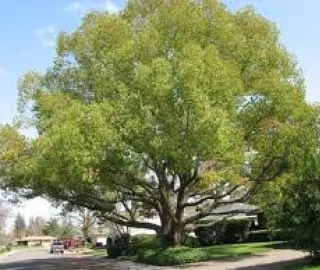
The Camphorwood tree is more than just a source of aromatic wood and essential oil; it is a symbol of sustainability, cultural heritage, and ecological balance. As we continue to explore the myriad benefits of this remarkable tree, it is crucial to promote responsible cultivation and harvesting practices to ensure its survival for future generations.

Camphorwood Tree Majesty
Camphor Oil Production /

Camphor Oil

Ah, the aromatic elixir derived from the Camphorwood tree! This magical oil is not just for your grandma's chest rub; it's a multitasking marvel in the world of natural remedies. From soothing muscle aches to adding a refreshing twist to your skincare routine, camphor oil is the ultimate go-to for those seeking a touch of nature's magic. Just remember, while it can work wonders, moderation is key—too much of a good thing can lead to a camphor conundrum!

Sustainable Forestry

In a world where deforestation is the villain of the story, sustainable forestry emerges as the hero! Cultivating Camphorwood trees with care ensures that we can enjoy their aromatic wood and essential oils without sacrificing our planet. By promoting responsible harvesting and reforestation, we can create a greener tomorrow, making Mother Nature proud. After all, who doesn't want to be on the good side of the environment?

Cultural Significance

The Camphorwood tree is not just a pretty face in the forest; it's a cultural icon! From ancient Chinese medicine to sacred Japanese groves, this tree has woven itself into the fabric of various traditions. It's like that friend who knows everyone at the party—always bringing people together and adding a touch of mystique to every gathering. Embrace its cultural richness and let it inspire your own journey!

Anti-inflammatory Benefits

Camphor is like the cool kid in the health benefits club, known for its anti-inflammatory prowess. Whether you're battling arthritis or just sore muscles from that intense workout, camphor has your back. It's been scientifically proven to reduce inflammation, making it a natural ally in your quest for comfort. So, next time you're feeling achy, consider this fragrant friend to help you bounce back!

Aromatherapy

Step aside, stress! Camphor is here to save the day with its enchanting aroma. Known for its calming effects, this aromatic wonder is a favorite in the world of aromatherapy. Just a whiff can transport you to a serene oasis, melting away anxiety and promoting relaxation. So, light that camphor-scented candle, take a deep breath, and let the worries of the day drift away like leaves in the wind.

Biodiversity

The Camphorwood tree is a biodiversity champion, providing a habitat for various wildlife. Its dense canopy offers shelter for birds and insects, creating a thriving ecosystem beneath its branches. By planting and preserving these trees, we're not just enjoying their beauty; we're supporting a vibrant community of creatures that call the forest home. Let's give a round of applause to the Camphorwood tree for being a true environmental superstar!

Reforestation

In the battle against climate change, reforestation is our secret weapon, and the Camphorwood tree is leading the charge! By planting these magnificent trees, we're not only combating deforestation but also enhancing carbon sequestration. It's like giving Mother Earth a much-needed hug. With organizations like Grow Billion Trees Partners championing these efforts, we can all play a part in restoring our planet's green glory.

Medicinal Uses

The Camphorwood tree is a treasure trove of medicinal wonders. From soothing coughs to easing muscle pain, camphor has been a staple in traditional medicine for centuries. It's like nature's pharmacy, offering a plethora of health benefits packed into its fragrant essence. So, whether you're brewing a herbal remedy or indulging in a spa day, don't forget to invite camphor to the party!

Camphorwood Tree Growth

Growing a Camphorwood tree is like embarking on an adventure! These majestic trees thrive in warm, humid climates and can reach impressive heights. With a bit of patience and care, you'll be rewarded with a stunning specimen that not only beautifies your space but also contributes to the environment. So, roll up your sleeves and get ready to nurture your own slice of nature's wonder!

Environmental Impact

The Camphorwood tree is not just a pretty sight; it plays a crucial role in maintaining ecological balance. With its fast growth and ability to thrive in poor soil, it's a champion for reforestation efforts. By supporting these trees, we're investing in a healthier planet and promoting biodiversity. So, let's give a cheer for the Camphorwood tree—an unsung hero in the fight against climate change!

Camphorwood Timber

When it comes to timber, Camphorwood is the crème de la crème! Renowned for its durability and aromatic properties, this wood is a favorite among artisans and craftsmen. Whether it's for furniture or intricate carvings, Camphorwood brings both beauty and functionality to the table. So, if you're in the market for quality timber, look no further than the enchanting Camphorwood!

Camphorwood Tree Care

Caring for a Camphorwood tree is like nurturing a friendship—it requires attention and love! Regular watering, pruning, and a suitable climate are essential for its growth. With the right care, your Camphorwood tree will flourish, providing shade, beauty, and a host of ecological benefits. So, roll up your sleeves, grab your gardening tools, and let the nurturing begin!

FAQ

What is the Camphorwood tree?

The Camphorwood tree, or Cinnamomum camphora, is an evergreen marvel from East Asia famed for its aromatic wood and essential oil. From traditional medicine to furniture-making, it’s nature’s very own Swiss Army knife!

01

What are the historical uses of camphor?

Camphor has a rich history: it appeared in ancient Chinese texts as a remedy, was used for intricate carvings and Japanese temples, and became a hot commodity in 19th-century trade.

02

How does the Camphorwood tree impact the environment?

This eco-champion aids in carbon sequestration, promotes biodiversity, and provides shelter for wildlife. Its adaptability to poor soils makes it ideal for reforestation.

03

Why is sustainable harvesting of camphor important?

Sustainable harvesting prevents overexploitation of Camphorwood. Responsible practices ensure that this aromatic resource remains for future generations.

04

What role does Grow Billion Trees Partners play?

Grow Billion Trees Partners supports sustainable forestry and reforestation. They engage communities, plant saplings, and conduct research to help Camphorwood thrive.

05

How do you cultivate Camphorwood trees?

They thrive in warm, humid climates with well-drained soil. Propagation can be done via seeds or cuttings, and young saplings need regular watering and occasional pruning.

06

Can camphor oil be used in cosmetics?

Yes! Camphor oil’s antimicrobial properties and soothing aroma make it a popular ingredient in skincare and cosmetic products.

07

Is the Camphorwood tree endangered?

Not currently, but overharvesting is a threat. Responsible cultivation ensures its survival for generations to come.

08

What are some fun facts about the Camphorwood tree?

Its aromatic leaves are used in cuisine, and camphor oil doubles as a natural insect repellent. Truly a multitasking marvel!

09

How does camphor oil help with respiratory issues?

Inhaling camphor vapors acts as a natural decongestant and is used in cough syrups and chest rubs to relieve respiratory discomfort.

10
logo
back top