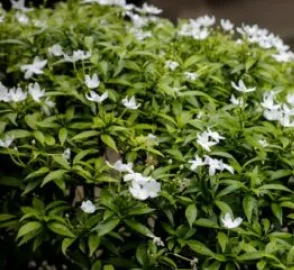


Chandni Tree: The Moonlit Marvel Enchanting Gardens, Healing Lives
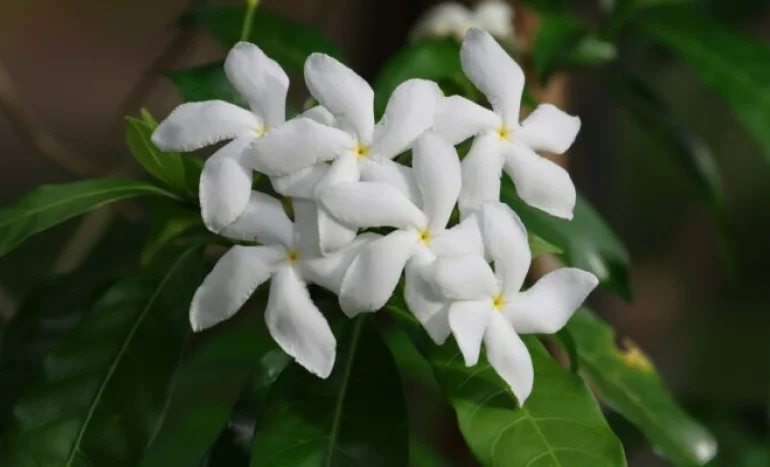
Chafa Tree - Nature's Fragrant Wonder

Botanical Profile of Chandni Tree

  • Scientific Name: Tabernaemontana divaricata
  • Family: Apocynaceae
  • Native Region: Tropical Asia including India, Sri Lanka, and Southeast Asia
  • Common Names: Pinwheel Jasmine, Carnation of India, Moonbeam

Understanding the Chandni Tree

Historical Significance

Ecological Benefits

Medicinal Properties and Benefits

  • Antibacterial and Antifungal: Contains alkaloids that fight infections
  • Skin Health: Treats eczema, rashes, and wounds
  • Pain Relief: Alleviates headaches, joint pain, and muscle aches
  • Anti-inflammatory: Reduces inflammation in conditions like arthritis
  • Stress Relief: Soothing fragrance promotes relaxation

Fun Facts About Chandni Tree

  • Pinwheel Magic: Star-shaped flowers resemble pinwheels
  • Moonlit Beauty: Flowers glow under moonlight
  • Low Maintenance: Drought-tolerant and thrives in poor soils
  • Evergreen Charm: Retains lush green foliage year-round
  • Subtle Fragrance: Pleasant scent that doesn't overwhelm
  • Floral Royalty: Flowers used in temples and ceremonies

Environmental Impact

How to Grow and Care for a Chandni Tree

Why Plant a Chandni Tree?

  • Ornamental Value: Beautiful star-shaped flowers and glossy foliage
  • Medicinal Benefits: Natural remedies for various ailments
  • Environmental Impact: Supports pollinators and improves air quality
  • Cultural Significance: Symbol of purity, peace, and spirituality
  • Low Maintenance: Thrives with minimal care in various conditions
  • Versatile Use: Perfect for gardens, hedges, and landscaping

Final Thought
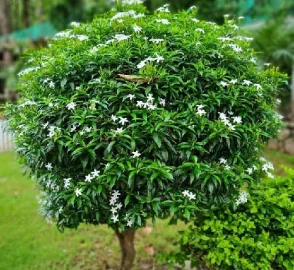
Chandni Tree in Garden
Chandni Tree Medicinal Uses

Chandni Tree Uses

The Chandni Tree is a multitasker, offering fragrant blooms for gardens, soothing remedies in traditional medicine, and a moonlit glow to brighten any landscape with natural elegance. While traditionally valued for its medicinal and cultural significance, the Chandni Tree has found its place in modern applications as well including ornamental landscaping, natural perfumes, and eco-friendly fencing.

Cultural Significance

Representing purity, peace, and romance, the Chandni Tree is a poetic favorite in literature, weddings, and spiritual practices across cultures. Its white flowers are often used in religious ceremonies, symbolizing devotion and serenity. With roots in ancient Indian and Southeast Asian traditions, this tree has been admired for centuries as a symbol of purity and tranquility.

Biodiversity Benefits

The Chandni Tree is a biodiversity champion! Its fragrant blooms attract bees, butterflies, and moths, ensuring that the tree not only enchants but also sustains ecosystems with its nectar-filled bounty. The tree's dense canopy provides a habitat for small birds and insects, enriching local ecosystems and promoting ecological balance.

Medicinal Properties

Known for its cooling and anti-inflammatory properties, the Chandni Tree's flowers and leaves are brewed into teas and balms for skin and respiratory health. The plant contains alkaloids and other compounds that exhibit strong antibacterial and antifungal effects, making it useful for treating infections. Extracts from its leaves and flowers are used to treat skin disorders like eczema, rashes, and wounds due to their soothing and healing properties.

Landscaping Applications

Its luminous white blooms and evergreen foliage make the Chandni Tree a landscaper's favorite for adding timeless elegance to gardens, patios, and walkways. The tree is widely used for ornamental purposes in residential gardens, parks, and public spaces. Its dense growth makes it a great choice for eco-friendly fencing and privacy hedges, combining beauty with functionality.

Growth Conditions

This low-maintenance tree thrives in sunny, tropical climates and well-drained soil, offering gardeners beauty without the burden of high upkeep. The Chandni Tree is drought-tolerant and thrives in poor soils, making it an ideal choice for low-maintenance landscaping. It prefers tropical and subtropical climates but can tolerate mild frost, making it adaptable to various growing conditions.

Chandni Tree Flowers

These delicate, white, star-shaped blossoms not only enchant the eyes but also fill the air with a heavenly fragrance, earning their spot in floral royalty. The flowers glow under the moonlight, enhancing its allure in nighttime gardens and living up to its name which means "moonlight" in Hindi. The pinwheel-shaped flowers are a distinctive feature that makes this tree easily recognizable and beloved by gardeners.

Historical Importance

With roots in ancient Indian and Southeast Asian traditions, the Chandni Tree has been admired for centuries as a symbol of purity and serenity. In Ayurveda, the Chandni Tree has been revered for its healing properties for generations. The flowers are commonly offered in temples and are an integral part of many Indian rituals and festivities, connecting modern practices with ancient traditions.

Symbolism

The Chandni Tree represents purity, peace, and romance, making it a poetic favorite in literature, weddings, and spiritual practices across cultures. Its white flowers symbolize devotion and serenity, while its moonlight glow adds an element of mystical beauty. This symbolism has made the tree an important part of cultural and religious ceremonies throughout history.

Pollinator Role

Its fragrant blooms attract bees, butterflies, and moths, ensuring that the tree not only enchants but also sustains ecosystems with its nectar-filled bounty. As a pollinator magnet, the Chandni Tree plays a crucial role in supporting local biodiversity and ensuring the reproduction of various plant species in its environment.

Chandni Tree Leaves

These glossy green leaves are not just a backdrop to the flowers—they're packed with medicinal properties and contribute to the tree's overall lush appearance. The leaves are used in traditional remedies for their analgesic and anti-inflammatory properties, helping alleviate headaches, joint pain, and muscle aches. Their evergreen nature ensures the tree maintains its beauty throughout the year.

Conservation and Challenges

While the Chandni Tree is resilient, it faces challenges that require attention including habitat loss due to urbanization and deforestation, and overharvesting of its flowers and medicinal parts. Conservation measures include promoting cultivation in home gardens and urban spaces, raising awareness about sustainable harvesting practices, and protecting natural habitats through reforestation initiatives.

FAQ

What is the Chandni Tree?

The Chandni Tree is a tropical treasure known for its star-shaped white flowers, soothing fragrance, and eco-friendly benefits, making it a dreamy addition to any garden.

01

Why is the Chandni Tree called a moonlit marvel?

Its glowing white blossoms shine under the moonlight, creating a serene, almost magical ambiance that enchants every onlooker.

02

What are the benefits of the Chandni Tree?

It purifies air, attracts pollinators, and provides medicinal value while adding unmatched elegance to gardens and landscapes.

03

Can I grow a Chandni Tree at home?

Absolutely! It thrives in sunny, tropical climates with well-drained soil and minimal fuss, making it a gardener’s delight.

04

What are the medicinal uses of the Chandni Tree?

Its flowers and leaves are used in traditional remedies for skin inflammation, respiratory issues, and calming the mind—a true healer.

05

What does the Chandni Tree symbolize?

It represents purity, peace, and romance, making it a favorite for weddings, poetry, and spiritual rituals worldwide.

06

Where does the Chandni Tree grow best?

It flourishes in tropical and subtropical regions, loving sunlight and warm temperatures, while being resilient enough for various soil types.

07

How does the Chandni Tree support ecosystems?

Its fragrant blooms attract bees, butterflies, and moths, playing a vital role in pollination and supporting local biodiversity.

08

What are the flowers of the Chandni Tree used for?

They’re used in essential oils, teas, and remedies for their calming and anti-inflammatory properties, in addition to their decorative charm.

09

How do you care for a Chandni Tree?

Provide ample sunlight, regular watering, and well-drained soil, and this low-maintenance tree will reward you with blooms and beauty year-round.

10

What is the history of the Chandni Tree?

With origins in India and Southeast Asia, the Chandni Tree has been revered for centuries in mythology, gardens, and traditional medicine.

11

Is the Chandni Tree good for landscaping?

Yes! Its luminous flowers and evergreen leaves make it ideal for enhancing gardens, patios, and urban spaces with a touch of elegance.

12
logo
back top