


Cashew Tree
Cashew Tree: Cultivation for a Greener Tomorrow
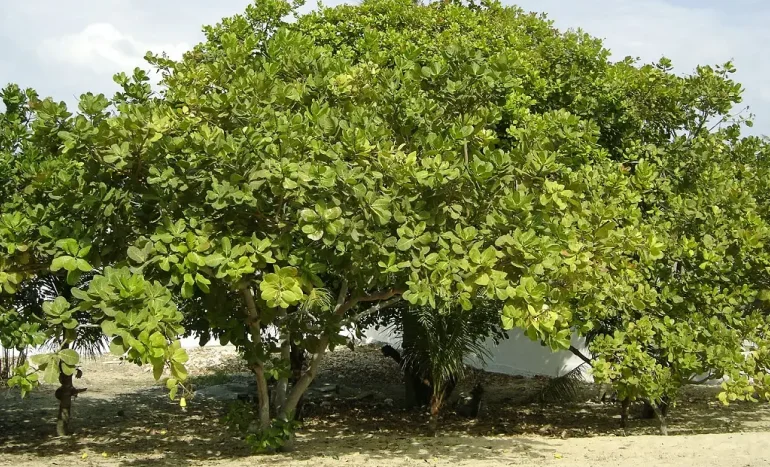
Botanical Profile of Cashew Tree
- Scientific Name: Anacardium occidentale
- Family: Anacardiaceae
- Native Region: Tropical Americas (Brazil, Caribbean)
- Common Names: Cashew Tree, Cashew Nut Tree
Botanical Marvel
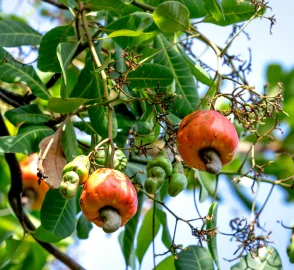
- Unique Growth: Nuts grow outside the cashew apple fruit
- Tree Height: Typically 10-12 meters (33-39 feet)
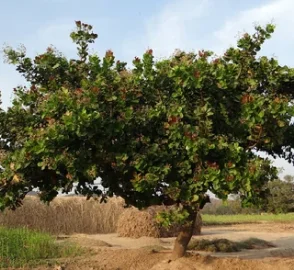
- Foliage: Evergreen with dense, spreading canopy
- Fruit Structure: Cashew apple with external nut attachment
- Climate Preference: Tropical and subtropical regions
Cultural Heritage
Versatile Blessings
- Nutritional Value: Rich in proteins, healthy fats, and minerals
- Culinary Uses: Nuts for snacks, butter, and dairy alternatives
- Cashew Apple: Used in juices, jams, and alcoholic beverages
- Wood Quality: Durable timber for furniture and construction
- Industrial Uses: Cashew nut shell liquid for various products
Ecological Guardian
- Wildlife Support: Habitat for birds, insects, and small mammals
- Soil Conservation: Root system prevents erosion
- Microclimate Creation: Provides shade and moisture retention
- Pollinator Attraction: Flowers support bee populations
- Biodiversity Enhancement: Supports diverse ecological networks
Medicinal Marvel
- Anti-inflammatory: Used for arthritis and joint pain
- Skin Treatments: Effective against various dermatological conditions
- Respiratory Health: Helps with coughs and bronchitis
- Digestive Aid: Treats stomach ulcers and digestive disorders
- Antimicrobial: Fights bacterial and fungal infections
Economic Empowerment
- Employment Generation: Farming, processing, and marketing jobs
- Export Revenue: Significant contributor to national economies
- Value Addition: Processing creates higher-value products
- Women Empowerment: Many women employed in cashew processing
- Sustainable Income: Long-term crop with annual yields
Conservation Imperative
How Grow Billion Trees Promotes Cashew Tree Plantations
- Sustainable Farming Programs: Training farmers in eco-friendly cultivation
- Community Orchards: Establishing collective cashew plantations
- Market Access: Connecting growers with international markets
- Research Support: Developing improved, climate-resilient varieties
- Conservation Education: Teaching sustainable harvesting practices
- Agroforestry Integration: Promoting mixed cropping systems
Why Cultivate Cashew Trees?
- Economic Sustainability: Reliable source of income for farmers
- Environmental Benefits: Soil conservation and carbon sequestration
- Nutritional Security: Source of healthy proteins and fats
- Climate Resilience: Adaptable to various tropical conditions
- Cultural Preservation: Maintaining traditional agricultural practices
- Biodiversity Support: Enhancing local ecosystem health
Final Thought
Cashew Tree Facts
Cashew Tree Care
Cashew Tree Nut Production
Cashew Tree Culinary Uses
Cashew Tree Medicinal Uses
Cashew Tree Growth Rate
Cashew Tree Soil Requirements
Cashew Tree Wildlife Habitat
Cashew Tree Economic Impact
Cashew Tree Sustainability
What is a cashew tree?
The cashew tree (Anacardium occidentale) is a tropical evergreen tree native to northeastern Brazil. It produces cashew nuts and cashew apples, which are edible and used in various culinary applications.
01
Where are cashew trees typically found?
Cashew trees thrive in tropical climates, commonly found in Brazil, India, Vietnam, and Nigeria, where warm temperatures and well-distributed rainfall support growth and nut production.
02
How tall can a cashew tree grow?
Cashew trees can reach heights of 12–15 meters (39–49 feet), allowing them to capture sunlight effectively for photosynthesis and fruit production.
03
What climate do cashew trees prefer?
They thrive in warm tropical climates (25–30°C / 77–86°F) with well-drained sandy or loamy soils and consistent rainfall throughout the year.
04
How long until a cashew tree bears fruit?
Cashew trees generally start bearing fruit around 3 years, with full nut production typically achieved between 5–7 years after planting.
05
How are cashew nuts harvested?
Ripe cashew apples are hand-picked, and the cashew nuts are carefully removed from the bottom of the apple to avoid damage.
06
Are cashew nuts poisonous?
Raw cashew nuts contain urushiol, a toxic compound. Proper processing like roasting or steaming removes toxins, making them safe to eat.
07
What is the cashew apple?
The cashew apple is the fleshy fruit of the cashew tree, juicy and sweet-tart, used fresh, for juice, or in culinary preparations.
08
Can cashew trees tolerate drought?
Moderately drought-tolerant once established, but they grow best with consistent moisture, particularly during flowering and fruiting.
09
Do cashew trees require pruning?
Pruning helps maintain shape, promote airflow, and facilitate harvesting. Removing dead branches improves productivity and orchard management.
10
What pests commonly affect cashew trees?
Pests include cashew stem/root borers, leafminers, fruit flies, aphids, and mites, which can reduce nut yield and quality.
11
What diseases affect cashew trees?
Common diseases include powdery mildew, anthracnose, leaf spot, root rot, and bacterial blight. Sanitation and fungicides help manage outbreaks.
12
What is cashew nut processing?
Processing involves shelling, drying, peeling, grading, and roasting to remove toxins and prepare edible cashew kernels.
13
Can cashew trees grow in containers?
Young trees can grow in containers, but mature trees require ground planting for full growth and fruiting.
14
Are cashew trees self-pollinating?
They are primarily self-pollinating, but cross-pollination by insects or wind can improve fruit set and yield.
15
How do cashew trees propagate?
Propagation is via seeds or vegetative methods like grafting, budding, or air layering, to maintain desirable traits and genetic diversity.
16
What is the economic importance of cashew trees?
Cashew trees provide nuts for global markets, supporting livelihoods, rural development, and income generation in tropical regions.
17
Are there different varieties of cashew trees?
Yes, varieties differ in nut size, flavor, and tree vigor. Popular types include W180, W320, Jumbo, and BRC, chosen for climate suitability and market preference.
18
Do cashew trees have any cultural significance?
They symbolize fertility, prosperity, and community well-being, with medicinal, spiritual, and ceremonial uses in many tropical cultures.
19
Your Suggestions
Leave your message and we'll get back to you shortly.