


Guava Tree
Guava Tree: Conservation Efforts and Future Outlook
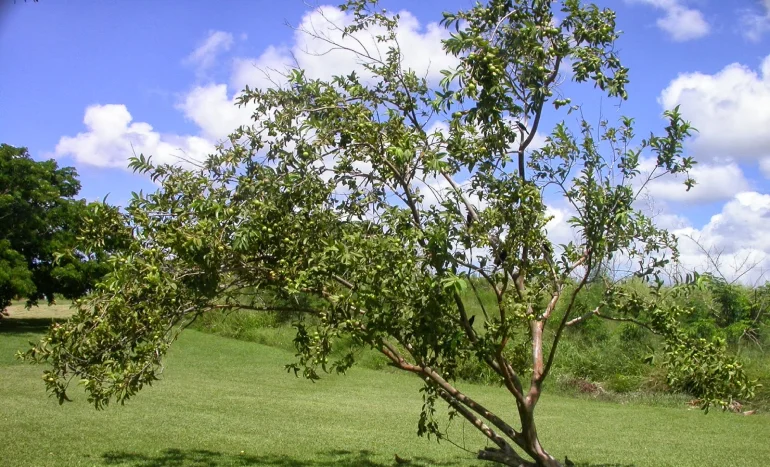
Botanical Marvel
Culinary Delight
Medicinal Properties
Nutritional Powerhouse
Cultivation and Harvesting
Economic Importance
Ecological Benefits
Climate Resilience
Cultural Significance
Health and Wellness
Commercial Cultivation
Research and Innovation
Sustainable Practices
Community Engagement
Conclusion
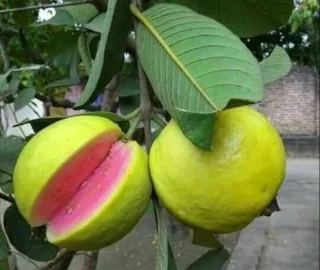
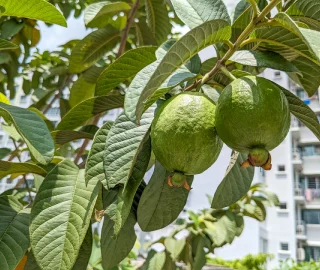
Guava Varieties
Guava Nutrition
Guava Cultivation
Guava Recipes
Guava Health Benefits
Guava Farming
Guava Tree Care
Guava Jam
Guava Smoothies
Guava Diseases
FAQ
What is the best time to plant guava trees?
The optimal time to plant guava trees in India is during the monsoon season, preferably between June and August. Planting during this period allows the young trees to establish their root systems efficiently with the abundant moisture provided by the rains.
01
How often should guava trees be watered?
Guava trees should be watered regularly, especially during dry periods or when they are newly planted. It is essential to keep the soil consistently moist but not waterlogged to promote healthy growth and fruit development. Established trees may require less frequent watering but should still receive adequate moisture, particularly during hot and dry weather conditions.
02
What is the ideal soil pH for guava cultivation?
Guava trees thrive in well-draining soil with a pH range between 5.5 and 7.0. Soil pH plays a crucial role in nutrient availability and root health. Conducting a soil test before planting can help determine if any amendments are needed to achieve the optimal pH level for guava cultivation.
03
How can I protect guava trees from pests and diseases?
Implementing integrated pest management (IPM) practices is essential for controlling pests and diseases in guava orchards. This approach involves using a combination of cultural, biological, and chemical control methods to minimize pest damage while reducing environmental impact.
04
What are the nutritional requirements of guava trees?
Guava trees have specific nutritional requirements for optimal growth and fruit production. They benefit from regular applications of balanced fertilizers containing nitrogen, phosphorus, and potassium, along with micronutrients such as magnesium, iron, and zinc.
05
How can I increase fruit yield in guava trees?
Pruning, proper irrigation, and fertilization are key factors in increasing fruit yield in guava trees. Additionally, thinning fruit clusters and providing adequate support to heavy branches can help improve fruit quality and yield.
06
When is the best time to harvest guava fruits?
Guava fruits should be harvested when they are fully mature but still firm. Depending on the variety, guava fruits typically ripen 4 to 6 months after flowering. Harvesting at the right time ensures optimal flavor, aroma, and nutritional content.
07
How can I propagate guava trees?
Guava trees can be propagated through various methods, including seed propagation, air layering, and stem cuttings. Each method has its advantages and challenges, and the choice depends on factors such as desired tree characteristics and propagation efficiency.
08
What are the different guava varieties grown in India?
India is home to numerous guava varieties, including Allahabad Safeda, Lucknow 49, Lalit, Sardar, and Arka Kiran, among others. Each variety has its unique attributes in terms of flavor, aroma, fruit size, and growth habit.
09
What are some common guava tree care practices?
Guava tree care involves regular pruning, fertilization, pest and disease management, and irrigation. Additionally, maintaining proper spacing between trees, providing adequate sunlight, and ensuring good air circulation are essential for overall tree health and productivity.
10
How can I improve soil fertility for guava cultivation?
Enhancing soil fertility for guava cultivation can be achieved through organic amendments such as compost, manure, and biofertilizers. These organic inputs improve soil structure, increase nutrient availability, and promote beneficial microbial activity, ultimately benefiting guava tree growth and fruit yield.
11
What are the major challenges in guava cultivation in India?
Challenges in guava cultivation in India include pest and disease pressure, water scarcity, soil degradation, and market fluctuations. Addressing these challenges requires adopting sustainable farming practices, implementing efficient irrigation techniques, and enhancing post-harvest infrastructure and market linkages.
12
Your Suggestions
Leave your message and we'll get back to you shortly.